
How Copper Busbars Are Manufactured Step By Step
Search optical fiber, connectivity, cable management and network infrastructure references.
-
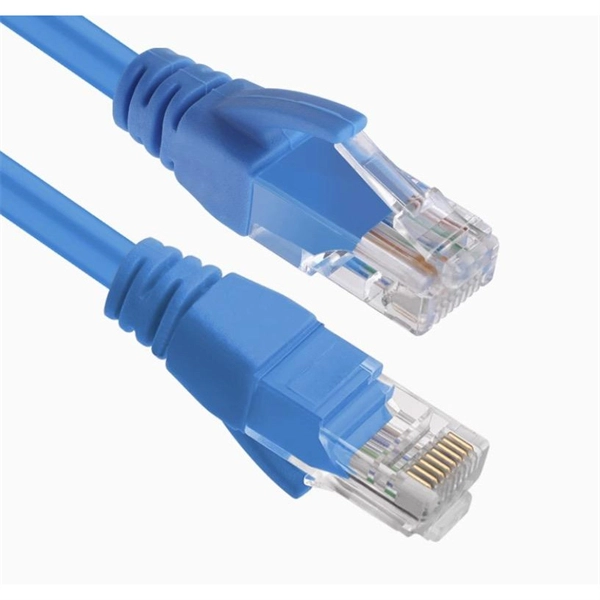
Standard wiring for copper busbars in household electrical distribution boxes
Practice good wiring: secure grounding, neat cable management, proper insulation, and correct wire gauge and breaker size. Include protection devices like breakers, fuses, and surge protectors—each circuit should have its own protection. Comply with standards: Follow NEC...
[PDF Version]
-
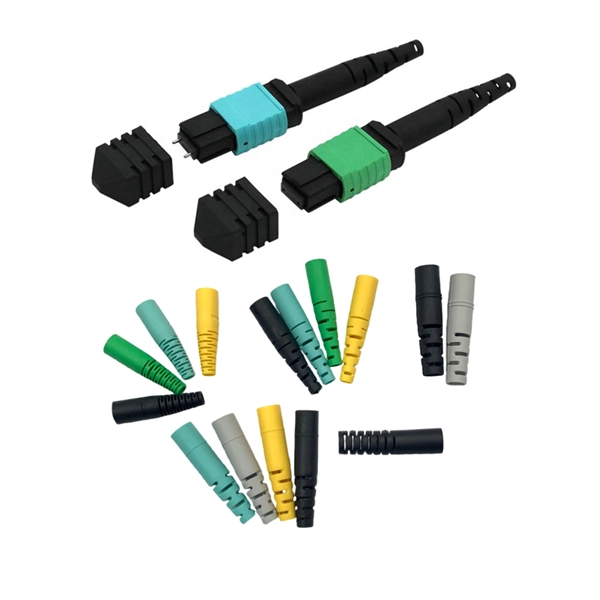
How are complete sets of small busbars made
Flexible PCB busbars are manufactured by laminating numerous layers of conductive material with layers of insulating material. Unlike insulated cables, busbars offer superior current-carrying capacity with. Most busbars are made out of brass or copper. A busbar provides...
[PDF Version]
-
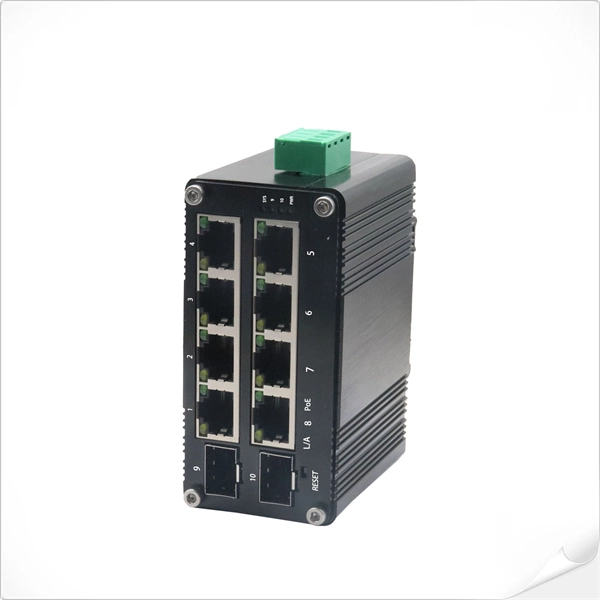
How to calculate the cable trays and busbars in a power distribution room
This step‑by‑step approach helps you determine width, depth, support spacing, and allowable load with confidence. Plan 20–30% spare capacity for growth. Remember separation rules for EMI. Total Cable Area (mm²) = Sum of cross-sectional areas of all cables placed in the tray...
[PDF Version]
-

Energy storage cabinet copper busbars connect to lithium batteries
Copper busbar connectors are made of technologically advanced materials such as silver plated copper contacts, nylon shell, and silicone rubber sealing. They can be used to connect batteries to the system in order to store energy when it is available, and then release it...
[PDF Version]
-
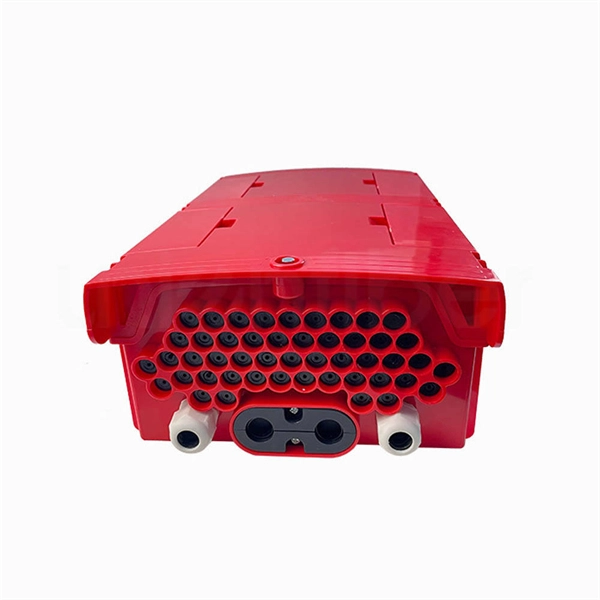
How to select the specifications for switchgear busbars
This guide is written for engineers, EPC teams, and procurement managers who need clear equipment decisions, RFQ details, and commissioning checks. Busbars are the backbone of a low-voltage switchboard: rigid conductors that collect and distribute current safely between...
[PDF Version]