
Guide To Earthing Structured Cabling Systems And Related Hardware
Search optical fiber, connectivity, cable management and network infrastructure references.
-
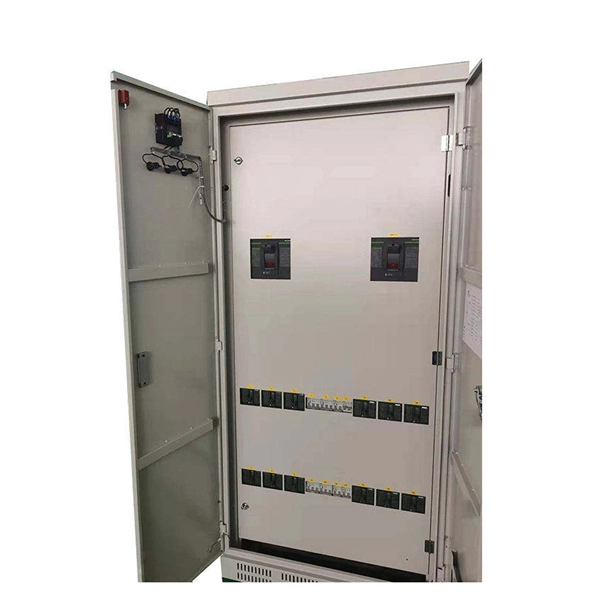
Function of Fiber Optic Patch Panels in Structured Cabling
A fiber patch panel is a mounted enclosure—either rack-mounted or wall-mounted—used to terminate, manage, and interconnect multiple fiber optic cables. It acts as a hub for organizing splices and patch cords, streamlining fiber management and preserving signal integrity. A...
-
How to Choose Fiber Optic Cables for Indoor Structured Cabling
Indoor cables connect devices within homes, office buildings, data centers, and other interior spaces. At its core, an indoor fiber cable is a type of cable containing one or more optical fibers that are used to carry light. These fibers are typically made of glass or plastic...
-
Selection Guide for Low-Loss DFB Distributed Feedback Lasers for Broadcast-Grade Systems
📦 For purchasing, use the RP Photonics Buyer's Guide for distributed feedback lasers. It provides an expert-curated supplier directory, buyer-focused technical background information, and structured selection criteria to support professional procurement decisions. Their key...
[PDF Version]
-
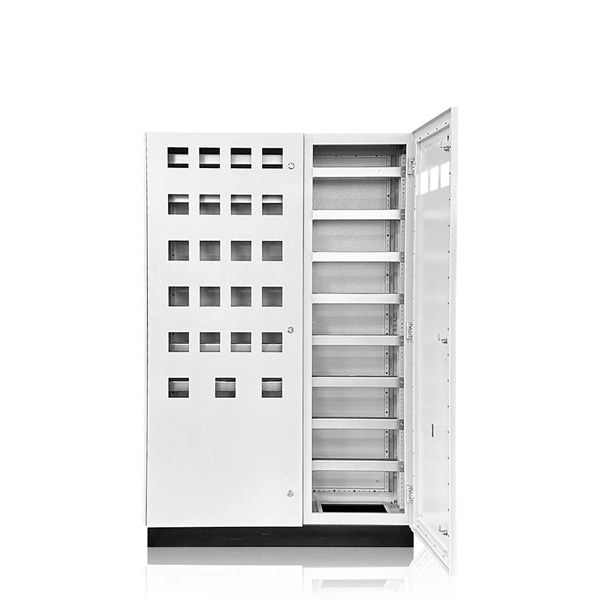
Wall-mounted fiber-wound tubing for power systems
Filament-wound fiberglass tubes, also known as glass fiber reinforced epoxy tubes, are high-performance composite tubes made by winding glass fibers and epoxy resin. They are lightweight, high-strength, heat-resistant, corrosion-resistant, and possess excellent electrical...
[PDF Version]
-
Standard dimensions and specifications of network cabling cabinets
Standard width is 19 inches (EIA-310 compliant), while outer widths vary (e. 5″) to allow space for cable management and airflow. Options include 24″, 36″, 42″, 48″, and 59″. Three key specifications — ANSI/EIA RS-310-D, IEC 60297-2, and DIN 41494 — have defined the...
[PDF Version]
Explore the next connection
- Qatar Vibration Optical Cable Manufacturer
- Two busbar connectors put together
- How to install the U-shaped seal on the distribution box
- Applications of 100M Fiber Optic Modules
- Mobile broadband relocation fiber optic cable price
- Original and genuine intelligent network security equipment
- Standards for Inspection of Construction Site Electrical Distribution Boxes
- 500kWh lithium battery energy storage cabinet for vehicle-mounted fiber optics
- Types of straight-through cable trays