
Guide For How To Choose Fiber Optic Cable
Search optical fiber, connectivity, cable management and network infrastructure references.
-

Comparison of Intelligent Fiber Optic Terminal Boxes and How to Choose Them
A practical, expert-backed guide to selecting the right fiber optic terminal box—covering IP rating, splice capacity, mounting options, environmental resilience, and real-world deployment criteria. In every fiber build, there's a quiet place where the glass path meets the...
[PDF Version]
-
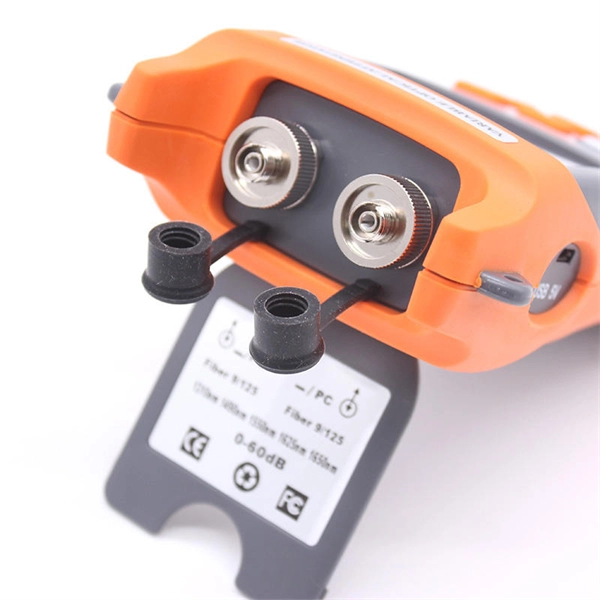
How to Choose Twisted Pair Cables and Fiber Optic Cables
Optical fiber offers higher bandwidth, longer distance transmission, and superior resistance to electromagnetic interference compared to twisted pair cable, which is more cost-effective and easier to install for shorter distances. A Twisted Pair Cable and a Optical Fiber...
-
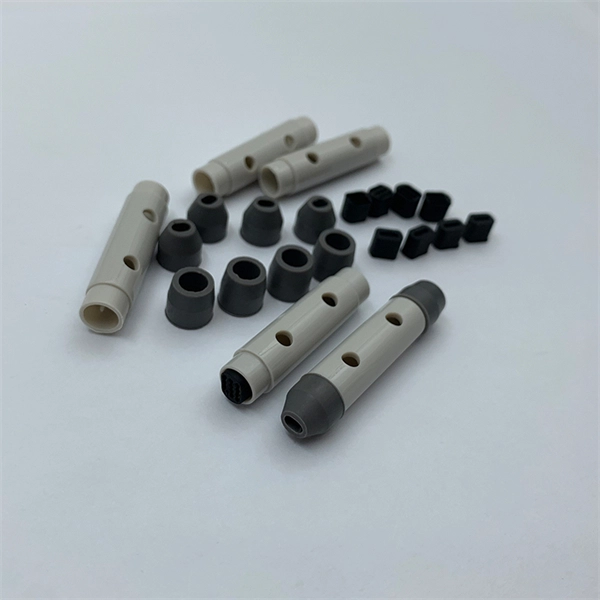
How to Choose Fiber Optic Cables for Indoor Structured Cabling
Indoor cables connect devices within homes, office buildings, data centers, and other interior spaces. At its core, an indoor fiber cable is a type of cable containing one or more optical fibers that are used to carry light. These fibers are typically made of glass or plastic...
-
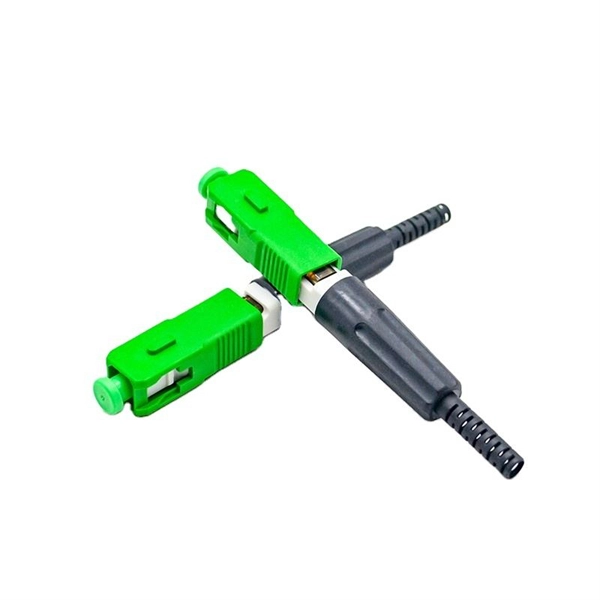
How to Choose Fiber Optic Modules and Patch Cords
Fiber Optic Cable vs Patch Cord vs Pigtail – Complete Understand the differences between fiber optic cables, patch cords, and pigtails. Learn standards, ap.
[PDF Version]
-
How to Choose the Right Optical Fiber Cable
How to Choose the Right Fiber Optic Cable: A Comprehensive GuideChoosing the right fiber optic cable is crucial for ensuring optimal performance in your ne.
[PDF Version]
-
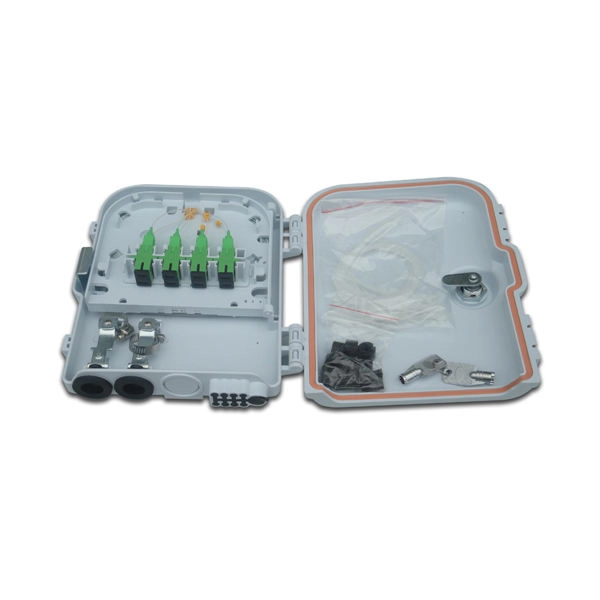
How much does it cost to install a surveillance system with a 4-core fiber optic cable
Wired IP installations commonly cost $125–$450-450 per camera installed, or $500–$1,600-1,600 for a 4-camera system. A 4-camera home system and a 32-camera warehouse system are fundamentally different projects with different budgets, different hardware requirements, and...
[PDF Version]
-
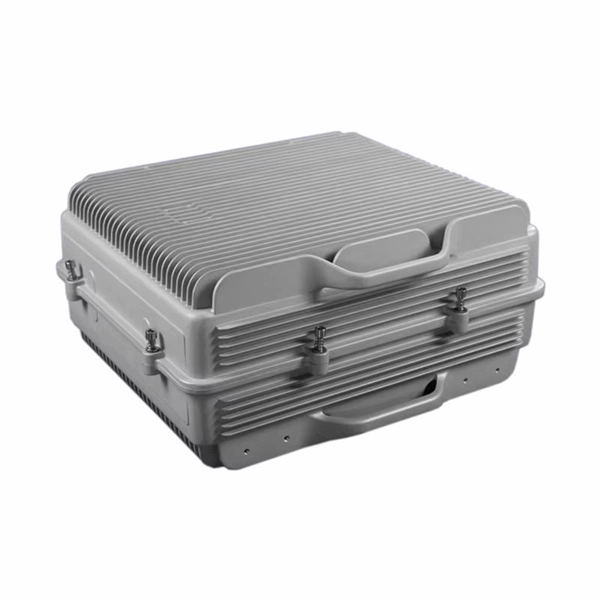
How is the backbone fiber optic cable connected
A backbone cabling system provides connections within your facility, from your reception to your production floor and storage rooms, to ensure everything stays connected. Backbone cablings hold together you.
-
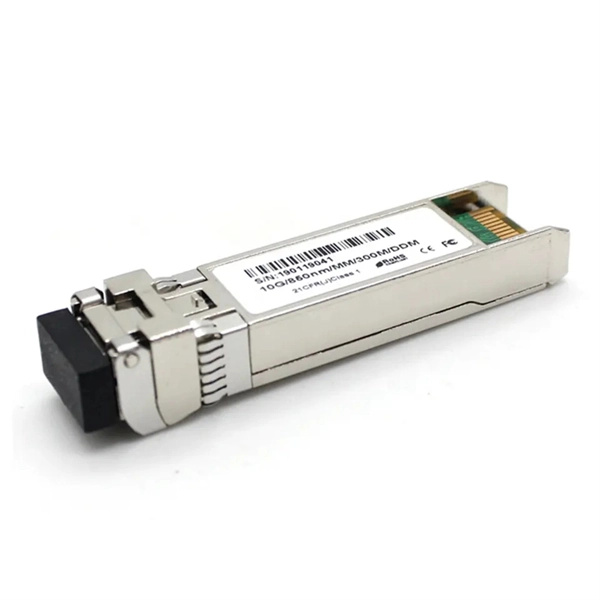
How to make fiber optic connectors waterproof
The absolute minimum is a high-quality, waterproof electrical tape like Scotch 33+ or Super 88. Don't just wrap the connector—create a "drip loop" in the cable so water runs down and away before it reaches your tape seal. Wrap from the cable jacket, over the connector body...
[PDF Version]
Explore the next connection
- Correct way to insert the Fiberglass tray and pigtail
- How to install the terminal box bounce head
- How much does molded cable tray cost in Nicaragua
- Are all distribution boxes in the electrical distribution room grounded
- How to connect a fiber optic grating junction box
- How to tell if a single-mode optical module is good