
Grounding For Employee Protection What Do The Standards Say
Search optical fiber, connectivity, cable management and network infrastructure references.
-
What are the grounding regulations for relay protection
Learn essential grounding and bonding practices to prevent electromagnetic interference (EMI)-induced relay faults, including single-point grounding, equipotential bonding, separation of grounds, shielding, surge protection, and more. This VuSpec includes 47 active IEEE...
[PDF Version]
-
What is a relay protection ARD
Electromechanical protective relays at a hydroelectric generating plant. The relays are in round glass cases. The rectangular devices are test connection blocks, used for testing and isolation of instrument transformer circuits.OverviewIn, a protective relay is a device...
[PDF Version]
-
What is the grounding ratio of the distribution box
26 mm 2 (10 AWG) ground wire must be used, and in all other markets a 6 mm 2 must be used. Today, we're diving deep into the world of distribution box grounding, breaking down the standards, and shining a light on those sneaky mistakes that even experienced electricians...
[PDF Version]
-
What is a microcomputer-based relay protection device
Numerical relays are based on the use of microprocessors. The instrument has standard four phase voltage and three-phase current output. It can test not only various traditional relays and protection devices, but also various modern microcomputer protections, especially for...
[PDF Version]
-
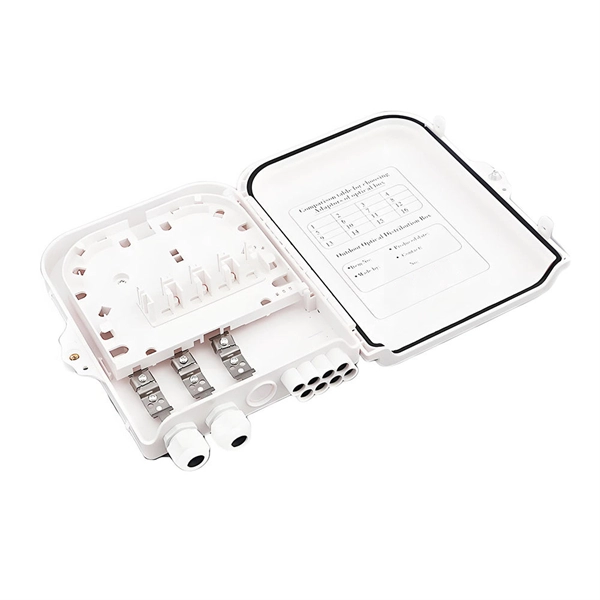
Outdoor cabinet lightning protection and grounding
Outdoor cabinets feature robust grounding systems that establish a low-resistance path to the ground for electrical currents, including those generated by lightning strikes. As engineers its important to use the correct terms Grounded Conductor – aka “Neutral” used in...
[PDF Version]
-
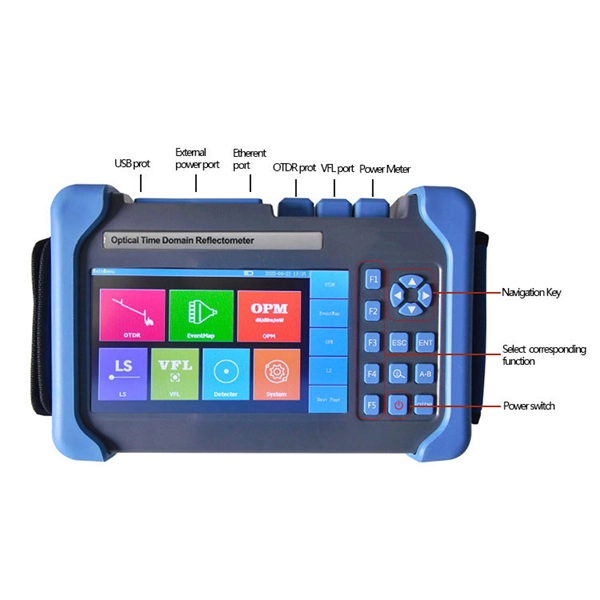
What is the grounding depth of the primary distribution box
26 mm 2 (10 AWG) ground wire must be used, and in all other markets a 6 mm 2 must be used. Grounding of the units: Attach a ground wire from one of. Configuration: In terms of configuration, the grounding grid is normally composed of conductors that are buried at a certain...
[PDF Version]
-

What are the disadvantages of relay protection devices
While relays are indispensable in many electrical applications, they come with several disadvantages, including mechanical wear and tear, limited switching speed, contact arcing, size and weight, and electrical noise. In this article, we will take a look at some of the...
[PDF Version]
-
What is zero-sequence protection in distribution network automation
Zero-sequence voltage protection (59N) provides critical ground fault detection security in non-effectively grounded systems and enhances high-resistance fault coverage in all networks when properly set per international standards. This article provides a technical overview...
[PDF Version]
Explore the next connection
- Is there signal leakage in the fiber optic cable
- Foreign military fiber optic communication
- How many meters of trough-type cable trays are there
- Dutch Optical Module Communication Electronics Factory
- What is a broadcast-specific beam splitter
- Function of optical cable hanging and fixing clips
- Installation Standards for Components in Distribution Boxes
- Compatible SFP optic hybrid cable Lebanese supplier
- Standard Requirements for the Installation of Fences around Distribution Boxes