
Grounding And Bonding An Electrical Panel
Search optical fiber, connectivity, cable management and network infrastructure references.
-
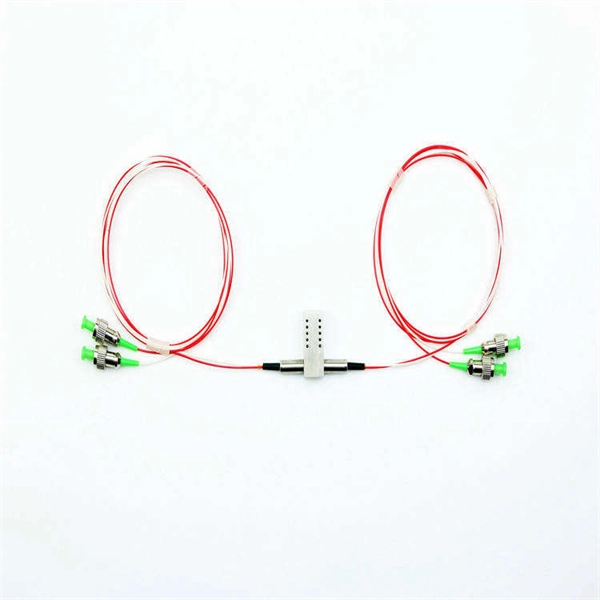
The electrical panel in my house smells very bad
A burning odor often means wires or components inside the breaker panel are overheating, which can be dangerous if not fixed quickly. This smell warns you that electrical parts may be failing or overloaded. You might also see other signs like tripped breakers, hot outlets...
-
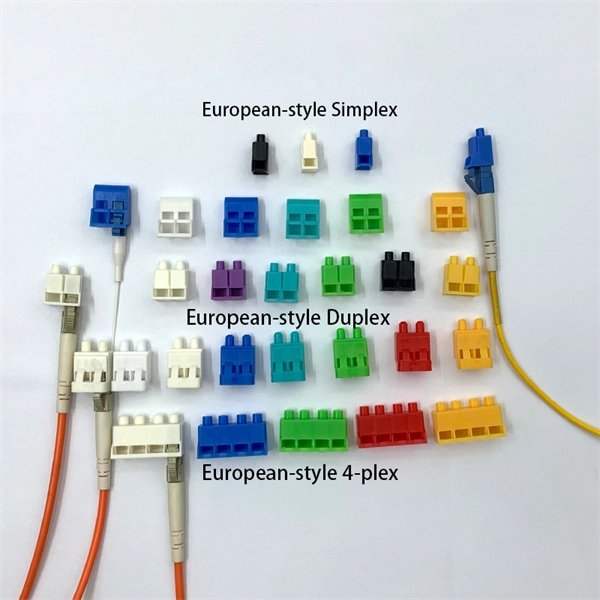
There s a noise coming from the electrical panel in my home
A buzzing noise coming from your electrical panel or breaker box could signal a serious issue. It might indicate malfunctioning equipment, loose connections, or overloading, which could lead to an electrical fire. This could be due to natural wear and tear, poor installation...
[PDF Version]
-
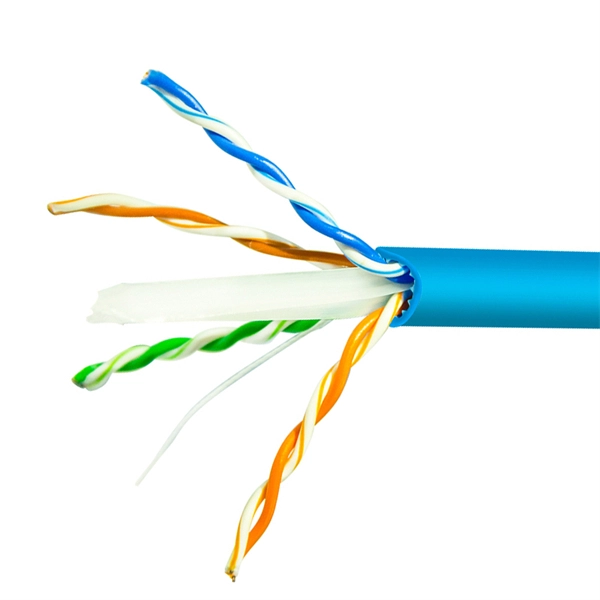
Fiber optic patch panel grounding wire diameter
Although the NEC does allow a minimum size of 14 AWG (minimum) for the size of the grounding conductor, 6 AWG is preferred to allow for both grounding and bonding purposes in compliance with ANSI/TIA/EIA-J-STD-607 and the NEC. Alternatively, an insulating joint or equivalent...
[PDF Version]
-
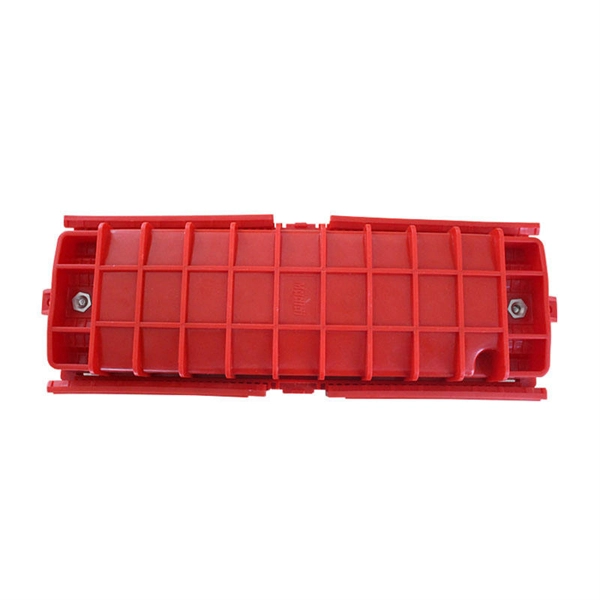
Methods for testing grounding of electrical distribution boxes on construction sites
As more nonmetallic pipes and conduits are installed underground, such installations become less and less dependable as effective, low resistance ground connections.A plant or other electrical facility can expand in size. Also, new plants continue to be built larger and...
[PDF Version]
-
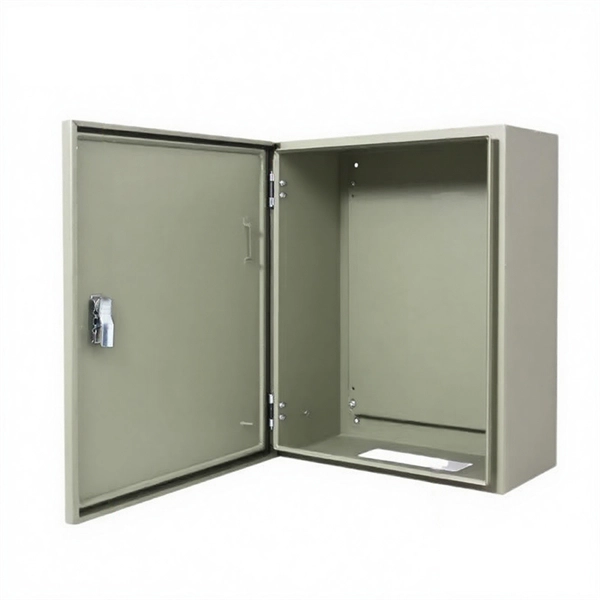
Concealed electrical box grounding flat steel
To safely ground a metal box, connect an equipment grounding conductor (typically a bare or green insulated wire) from the box to the main electrical panel's ground bus bar. Understanding how to ground metal electrical box components is not just about following code—it's...
-
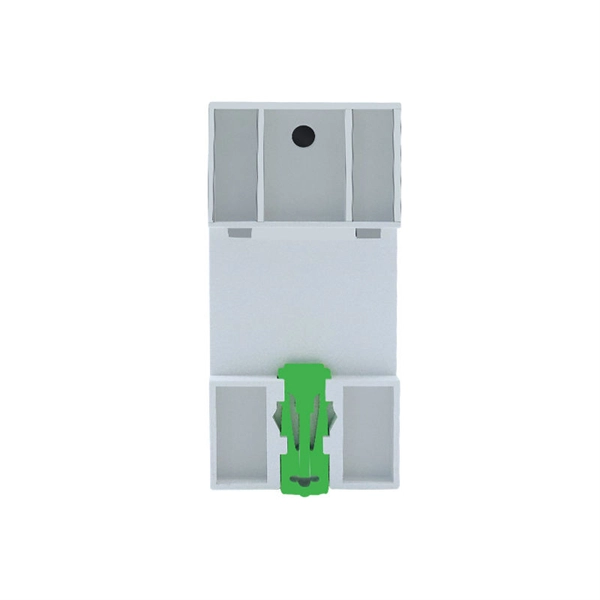
Does a household electrical distribution box need a grounding wire
Do I Need a Ground Wire From Meter to Panel? The wire between the meter and the panel is a critical component, but the need for a separate grounding wire c.
[PDF Version]