
Fixed Wavelength Lasers Keysight
Search optical fiber, connectivity, cable management and network infrastructure references.
-
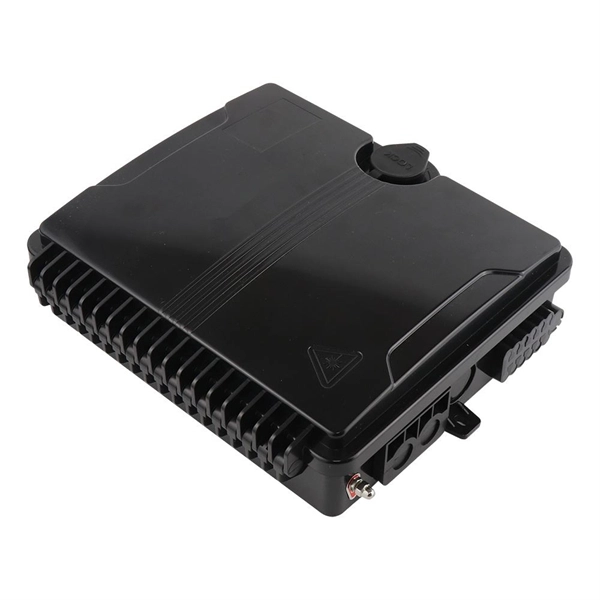
Wavelength Division Multiplexing Principle word
In fiber-optic communications, wavelength-division multiplexing (WDM) is a technology which multiplexes a number of optical carrier signals onto a single optical fiber by using different wavelengths (i. WDM allows communication in both the directions in the fiber cable. The...
-
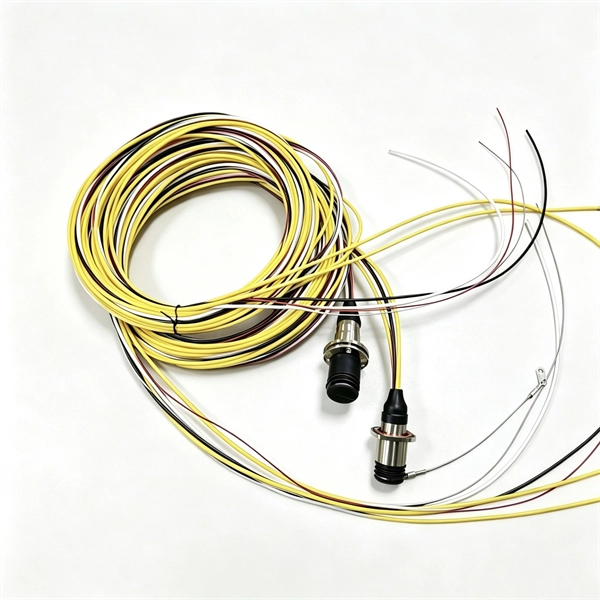
Wavelength Division Multiplexing Equipment Losses
Wavelength multiplexers can be used in submarine cables, to extend the lifetime of fiber cables, and reduce the cost of all land-based long distance communications links.
-
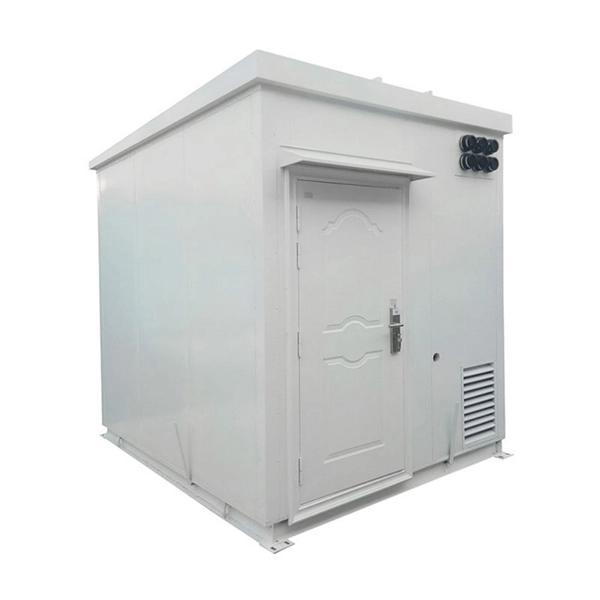
2-channel wavelength division multiplexer
These WDMs are designed for combining or splitting two signals at 980 nm and 1060 nm and feature a ±5 nm bandwidth around the center wavelength of each channel. In fiber-optic communications, wavelength-division multiplexing (WDM) is a technology which multiplexes a number of...
-
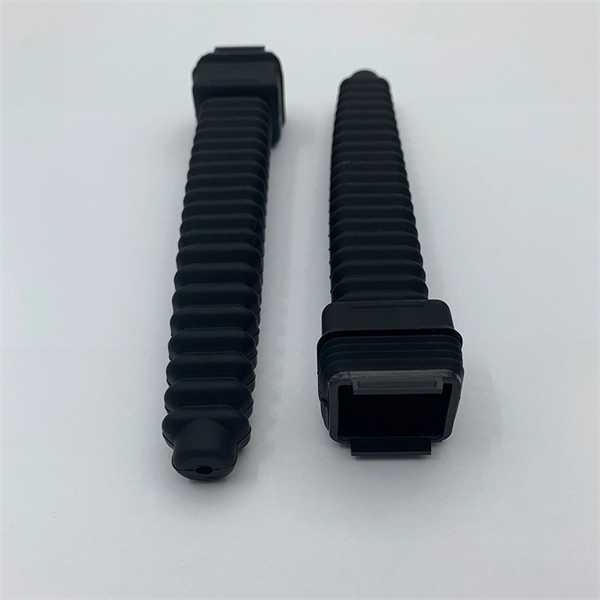
Mesh cable tray fixed in the cabinet
By using floor bolts to secure the cable tray, its stability is ensured. Additionally, floor mounting includes two special installation methods: cabinet top installation and underfloor installation. Selecting a specific height will. Regarding cable management, the fixing and...
-
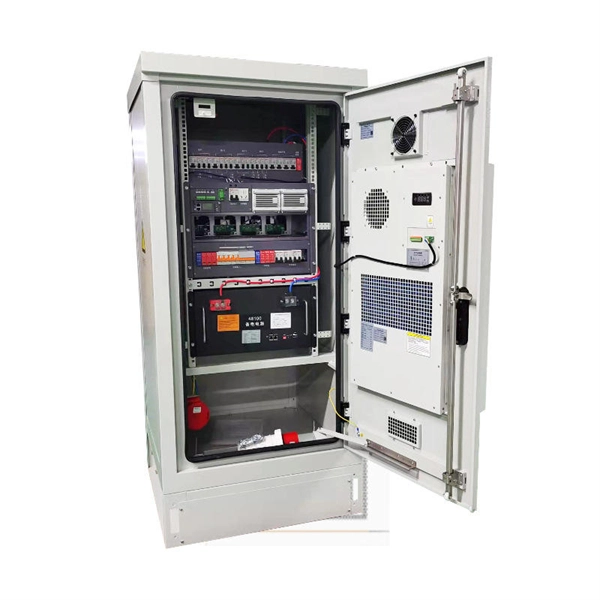
Rwanda Modular Data Center Fixed
Article Summary: Africa Data Centres plans to build its first data center in Kigali, Rwanda, as part of its expansion into East Africa. This report is part of a series of market briefs developed by Xalam Analytics at the behest of Digital Investment Facility (DIF) under the...
[PDF Version]
-
The principle of LED lasers
LED and laser are both semiconductor devices that interact with light energy and electricity but function differently. An LED (Light Emitting Diode) converts electricity into light, whereas a laser amplifies light to produce a coherent, monochromatic beam. Although lasers...
[PDF Version]
-
Currently the wavelength of light used in fiber optic communication
Optical fiber primarily uses infrared light, not visible light, due to lower signal attenuation. Common wavelengths are 1310nm and 1550nm, where silica glass fiber has minimal loss (as low as 0. This article delves into why 850, 1310, and 1550 nm are standard, what less-known...
[PDF Version]
Explore the next connection
- What is a home-use fiber optic coupler
- Cable tray prices in China and Europe
- Technical parameters of an eight-port optical cable terminal box
- The cable tray s lead screw is too long causing the cable tray to sway
- Where are beam splitters usually located
- Which fiber optic cable supplier is the best in Ethiopia
- Broadband to outdoor fiber optic cable interface conversion