
Finding The Right Size Innerduct Conduit For Fiber Optic
Search optical fiber, connectivity, cable management and network infrastructure references.
-
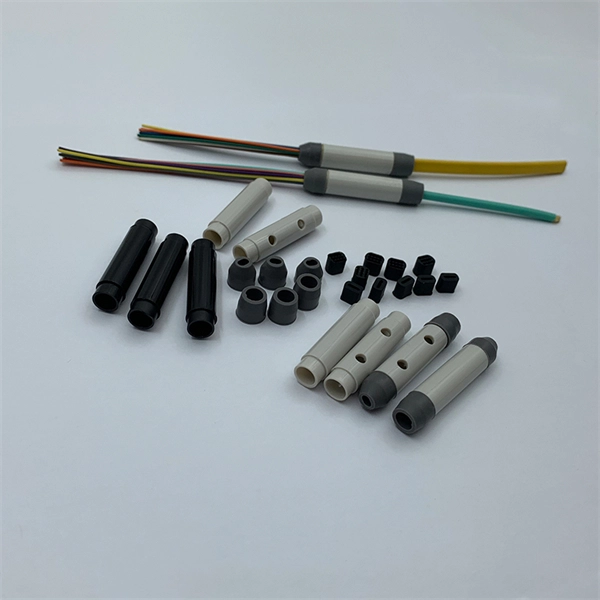
What size conduit is needed for single-mode dual-core fiber optic cable
For such cables, we recommend using at least a 1. It's important to consider not only the rigidity of the jacket but also the breakout point of the assembly, where the strands exit the jacket and are encased in. Premise innerduct is a flexible, non-metallic, corrugated...
-
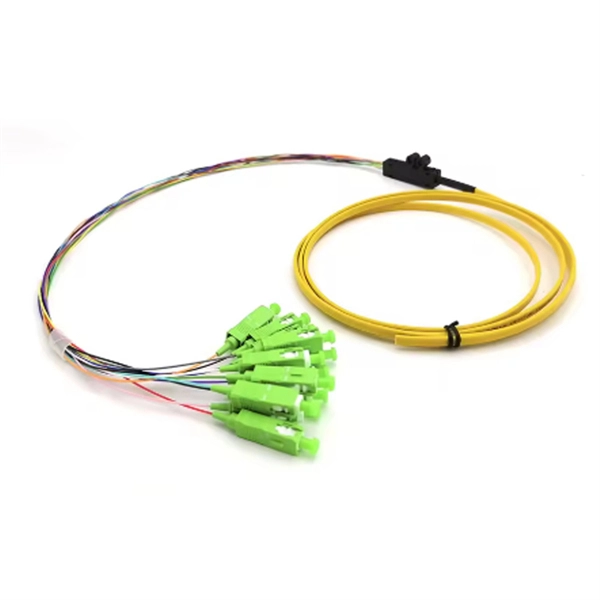
Large bends and right angles in cable trays
This guide explains how to make 90° bends, vertical bends, tees, and offsets in wire mesh cable trays safely and professionally. Horizontal 90° Bend (Flat Bend) 2. The mechanical and electrical characteristics, tests, certifications, overall quality management...
[PDF Version]
-

How to flip a cable tray to a right angle
You can buy a manufactured 90 degree bend or make one on a cable tray bending machine but in this video I show you how to make one using a metal bar. Students trading aid on how best to put an internal 90 degrees bend in steel cable tray. When a wire cable tray is cut, the...
-
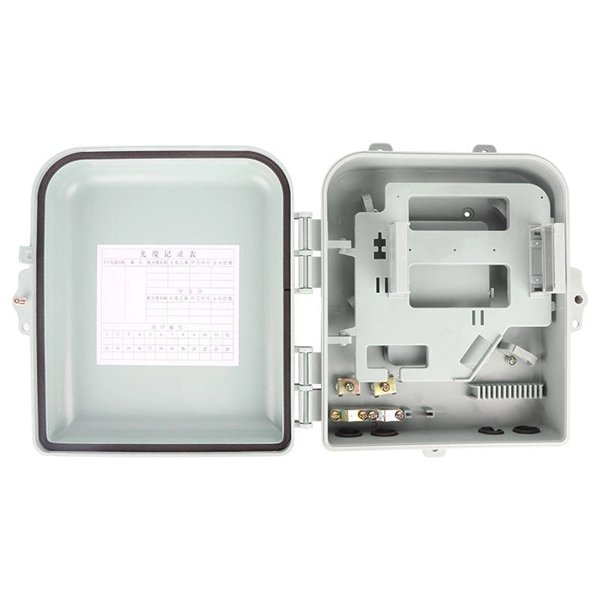
Dual fiber optic module left receive right transmit
Dual-fiber WDM uses two separate optical fibers: one for transmission (Tx) and the other for reception (Rx). It is the standard approach in most enterprise and carrier-grade WDM deployments. Dual fiber transceivers use two fibers, giving more speed and stability. For this...
-
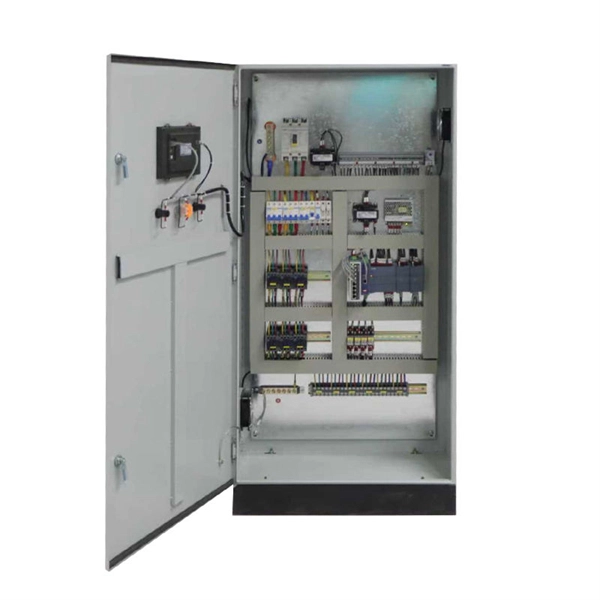
Should the bottom of the electrical distribution box on the construction site be sealed off
Switchboards must have a cut out (not sharp to prevent cables being cut, ie by providing brushing or plastic hose around it) in the bottom plate to allow safe entry of electrical leads with the door closed. A label must be fixed to the switchboard stating 'KEEP CLOSED – RUN...
[PDF Version]
-
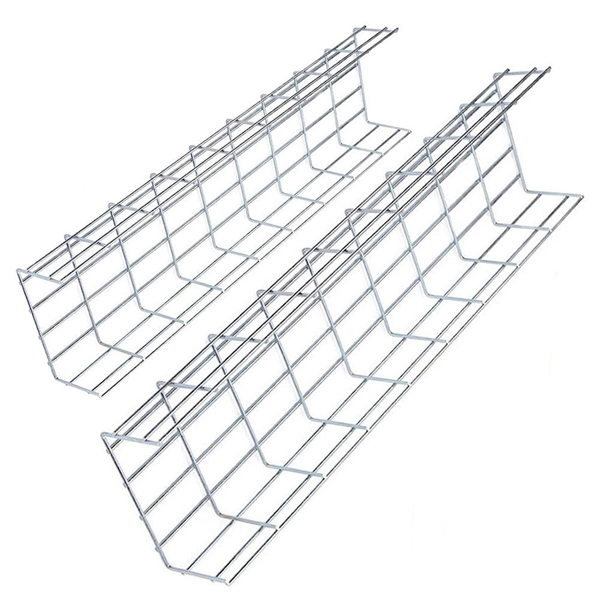
How large a conduit should a 32-core single-mode fiber be threaded through
The conduit's minimum inside cable diameter must be large enough to accommodate the cable, at least 0. 75 inches for single-mode fiber cable and 0. A conduit is a protective tube or channel that houses the fiber optic cables, shielding them from moisture, dust, physical...
-
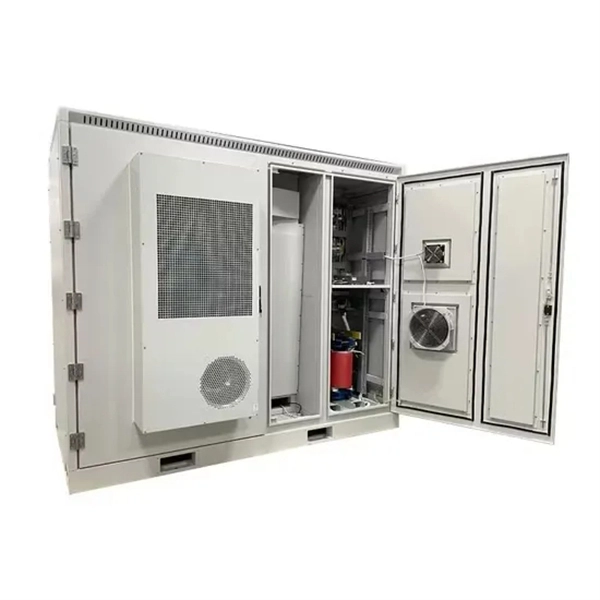
Finding fiber optic cable breaks at night
This guide provides a detailed roadmap for locating and fixing fiber optic cable breaks, covering detection techniques, repair methods, and best practices. With CommMesh's advanced tools and solutions, you'll learn how to restore networks seamlessly. To fix it, first use a...