
Fibre Optics And Optical Communications
Search optical fiber, connectivity, cable management and network infrastructure references.
-
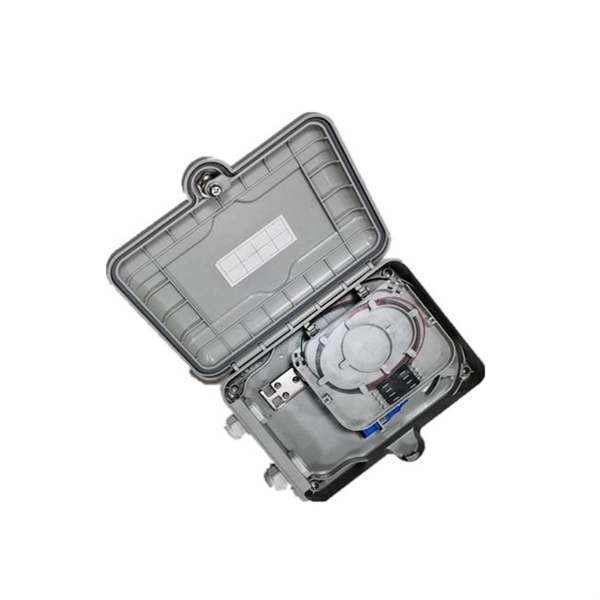
Analysis of the Reasons for Fiber Optics Being Converted into Optical Cables
Modern fiber-optic communication systems generally include optical transmitters that convert electrical signals into optical signals, to carry the signal, optical amplifiers, and optical receivers to convert the signal back into an electrical signal. The information...
-
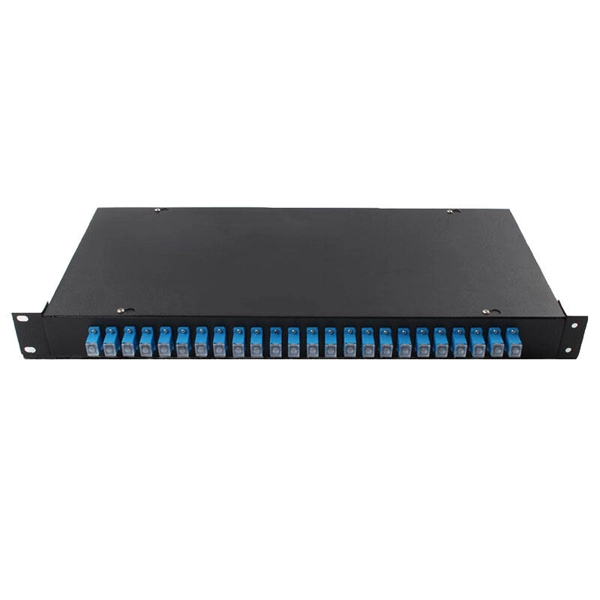
East Asia Communications Optical Cable Pole
EAC-C2C is a interconnecting several countries in Asia, the Pacific, and the United States. It is a merger of the former EAC (East Asia Crossing) and C2C cable systems. The merger occurred in 2007 by Asia Netcom, and the cable system is now owned/operated by. Pacnet was...
-
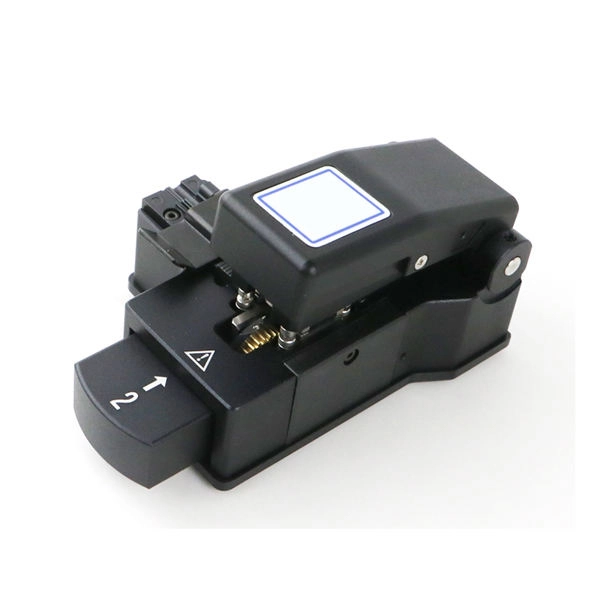
Serbian optical transmitter 25G
FS's SFP28-25GER-31 is a very compact optical transceiver module converts 25Gbit/s serial CML electrical data into serial optical data compliant with the 25GBASE-ER standard.
-
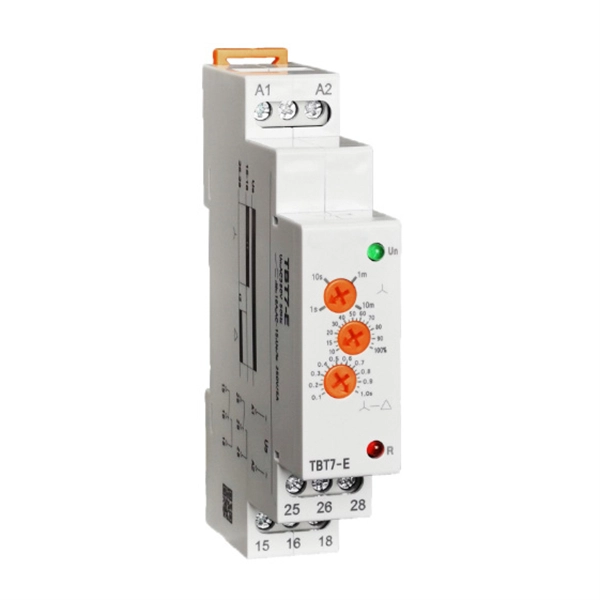
Fiber distribution box for fixing optical cables
The fiber distribution box, also known as the optical fiber termination box, is a critical component in fiber optic networks. It acts as a central point for terminating, splicing, and distributing these cables, providing necessary protection and. Fiber distribution box is...
[PDF Version]
-
Optical fiber cables have high reflectivity
Fiber optic cables use total internal reflection to keep light signals bouncing within the core, allowing data to travel quickly and with minimal loss. Reflectance (which has also been called "back reflection" or optical return loss) of a connection is the amount of light...