
What is the width and depth of a server rack?
The standard width for a server rack is 19 inches, the most common size for rack-mounted IT equipment. The depth of server racks can vary, typicall...
Search optical fiber, connectivity, cable management and network infrastructure references.
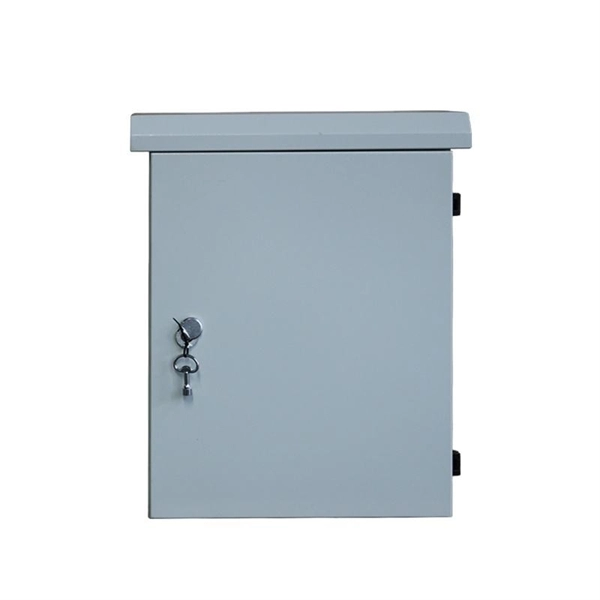
The guide serves as an all-inclusive 400G QSFP-DD module type reference. The module specifications and fiber requirements and breakout capabilities and power profiles will be presented to you. The optics used MPO-16 interfaces, while the existing patch panels were built for...
[PDF Version]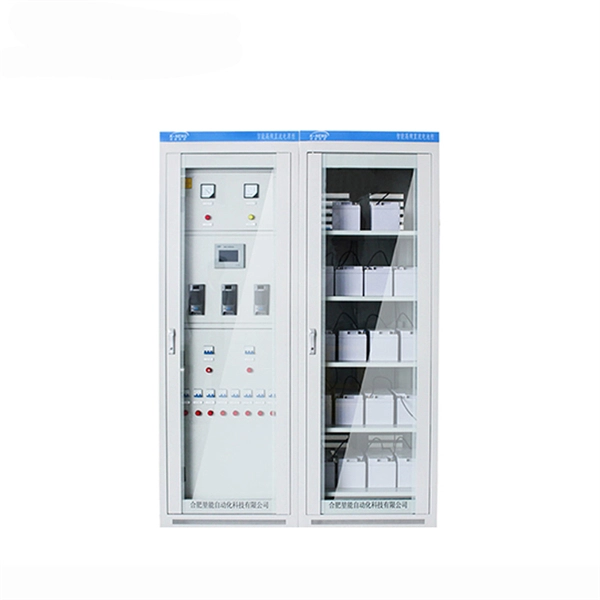
Principle of Construction Site Electrical Distribution BoxThis article explains how temporary construction power boxes work, the key components involved, a.
[PDF Version]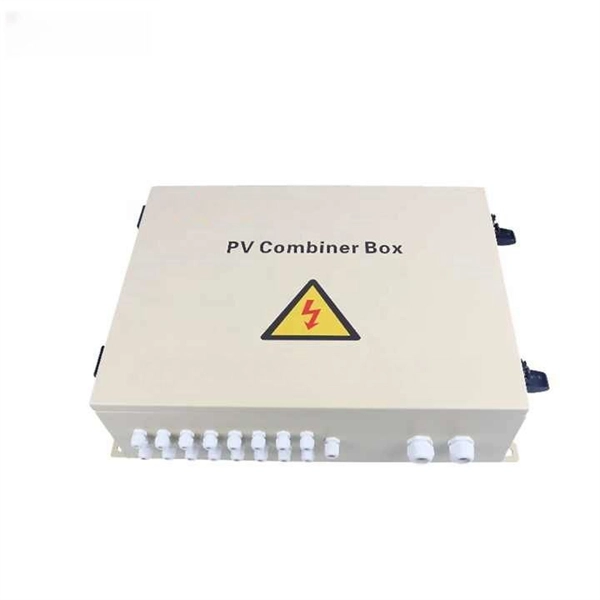
Server Rack Sizes: The Complete Guide to Standard, Below is a comprehensive, fully detailed guide covering all standard server rack sizes, form factors, he.
[PDF Version]The standard width for a server rack is 19 inches, the most common size for rack-mounted IT equipment. The depth of server racks can vary, typicall...
Server rack cabinets come in various sizes, but the standard width is usually 19 inches. The height is measured in rack units (U), typically 24U, 4...
A standard rack unit, abbreviated as "U," is 1.75 inches (44.45 mm) tall. This unit of measurement is used to describe the height of equipment inte...
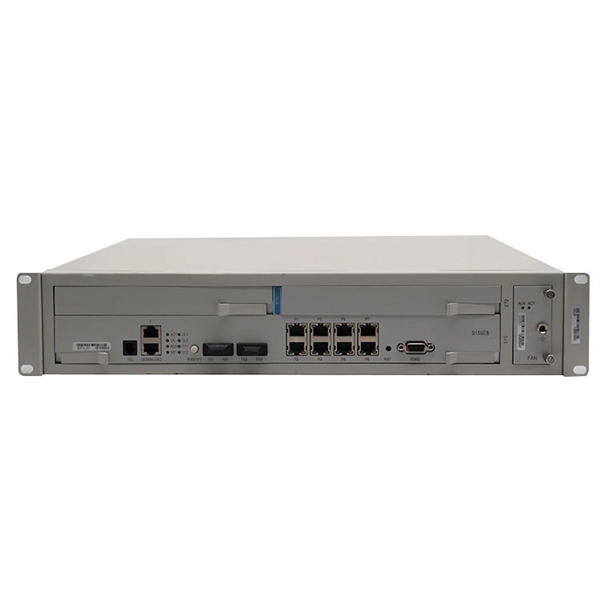
A cable management rack is designed to route, protect, and organize copper and fiber cables inside network cabinets. Beyond keeping cables tidy, a well-structured cable manager reduces cable stress, improves heat dissipation, and ensures bend-radius compliance for data. Poor...
The objective of relay protection is to quickly isolate a faulty section from both ends so that the rest of the system can function satisfactorily. The functional requirements of the relay:.
The SmartRack® SRW6U 6U network rack is designed to house EIA-standard 19-inch rack equipment in home and office network wiring closets, retail locations, classrooms, back offices and other are.
Standard width is 19 inches (EIA-310 compliant), while outer widths vary (e. 5″) to allow space for cable management and airflow. Options include 24″, 36″, 42″, 48″, and 59″. Three key specifications — ANSI/EIA RS-310-D, IEC 60297-2, and DIN 41494 — have defined the...
[PDF Version]Share the fiber interfaces, termination capacity, cable route and evidence required for handover.