
Fiberlert Live Fiber Detector
Search optical fiber, connectivity, cable management and network infrastructure references.
-
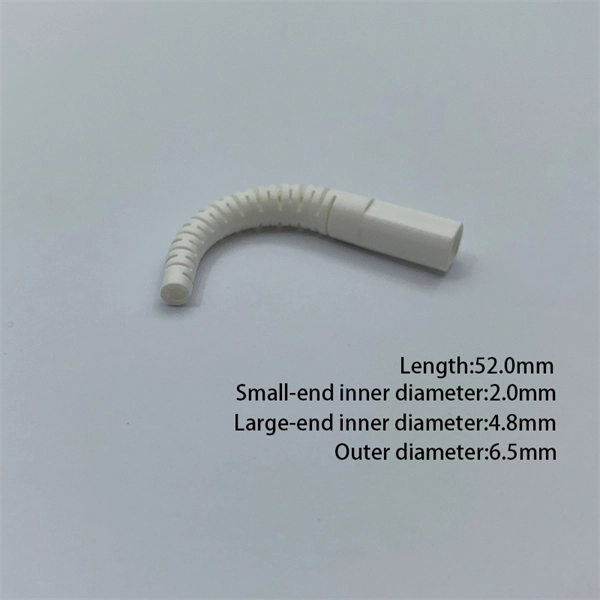
Function of Tunnel Fiber Optic Grating Detector
Fiber grating sensors are deployed to obtain applied stress–strain and thermal strain data of the secondary lining. The changing patterns of these factors during the excavation process are analyzed, offering insights for safety and stability evaluation during tunnel...
[PDF Version]
-
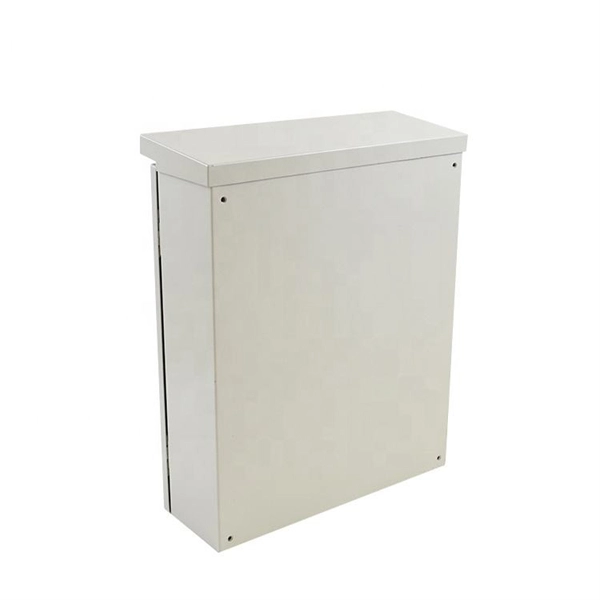
Fiber Optic Communication Dedicated Detector
A fiber-optic sensor is a that uses either as the sensing element ("intrinsic sensors"), or as a means of relaying signals from a remote sensor to the electronics that process the signals ("extrinsic sensors"). Fibers have many uses in. Depending on the application, fiber may...
-
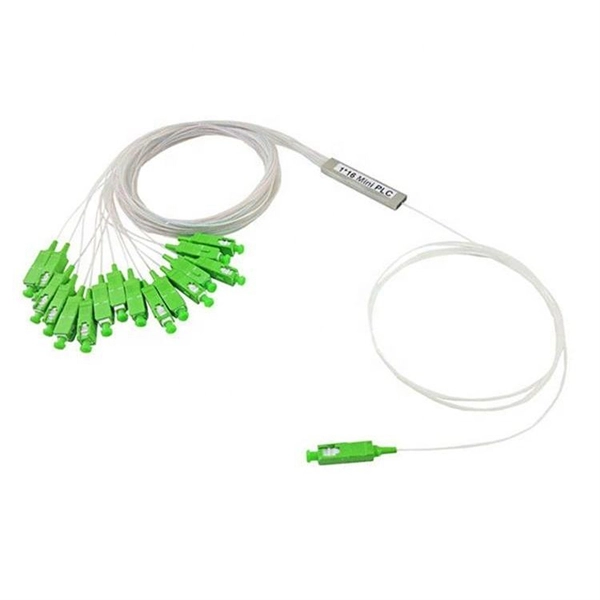
Fiber Optic Cable Fittings Strands
There are connectors designed for single mode and multimode fiber optic cables, which differ in core size, bandwidth, and optimal use cases as explained in this comprehensive guide to fiber optic cable.
-
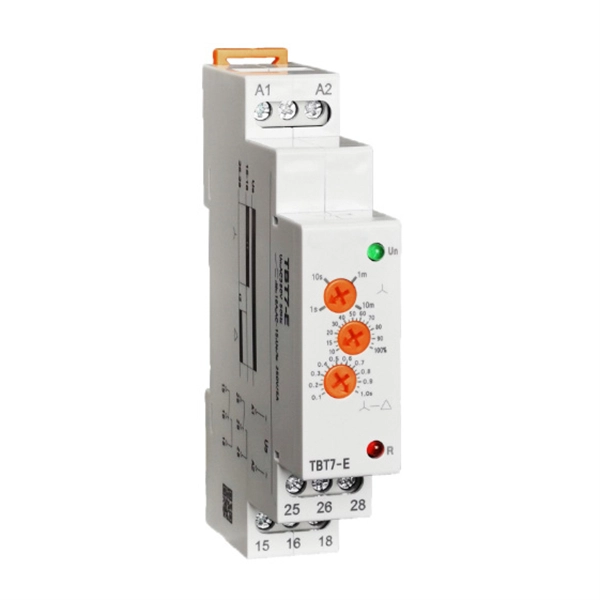
Fiber distribution box for fixing optical cables
The fiber distribution box, also known as the optical fiber termination box, is a critical component in fiber optic networks. It acts as a central point for terminating, splicing, and distributing these cables, providing necessary protection and. Fiber distribution box is...
[PDF Version]
-
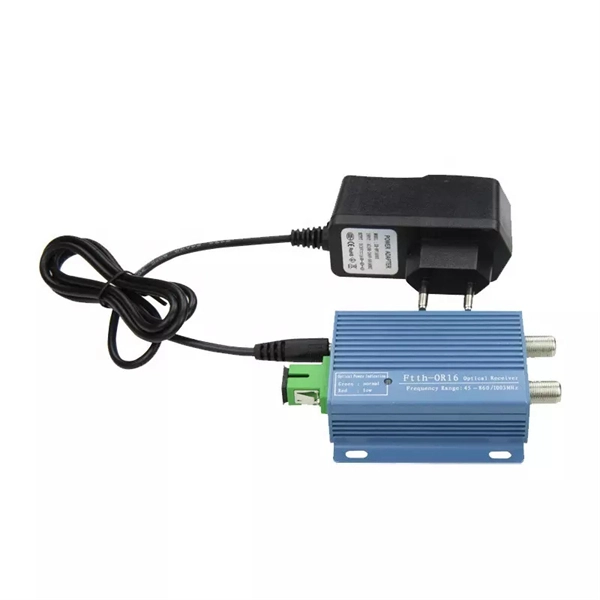
Is the ADSS fiber optic cable dual-mode or single-mode
ADSS (All-Dielectric Self-Supporting) fiber cable is a robust, non-metallic optical cable designed for aerial installations without the need for a separate messenger wire. It consists of single-mode or multi-mode fibers housed in loose tubes made of high-modulus plastic...
-
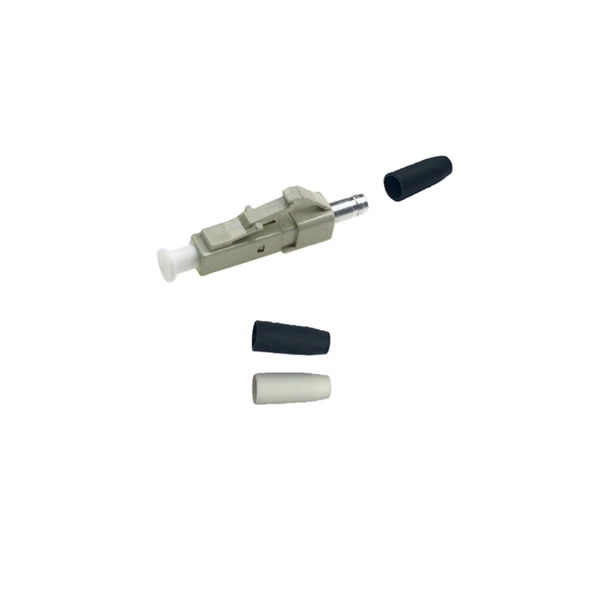
High reflectivity of fiber optic gratings
We investigate and compare various fabrication methods such as single pass (line by line), double pass, and stacking (plane by plane) to create the highest reflectivity FBGs (99. 98%) for mid-infrared (mid-IR) applications. A fiber Bragg grating (FBG) is a type of distributed...
[PDF Version]
-
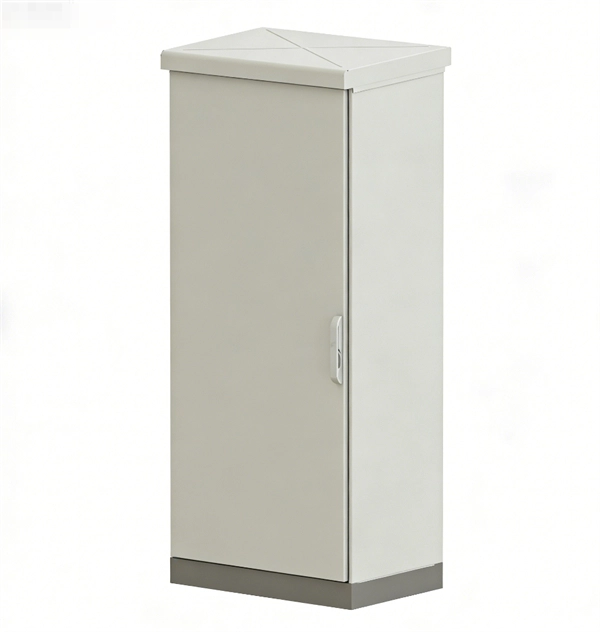
Optical fiber cables have high reflectivity
Fiber optic cables use total internal reflection to keep light signals bouncing within the core, allowing data to travel quickly and with minimal loss. Reflectance (which has also been called "back reflection" or optical return loss) of a connection is the amount of light...
Explore the next connection
- Well-regarded industrial-grade switches
- How to replace a high-voltage distribution box
- Indian Carbon Steel Cable Tray Manufacturers
- Optical Structure of Raman Spectrometer
- How to determine the condition of a relay protection device
- What interfaces does an optical switch have
- How to properly manage cables in a network cabinet
- New type of fireproof cable tray energy-saving and environmentally friendly
- Grooving in household electrical distribution boxes