
Fiber connection and distribution references
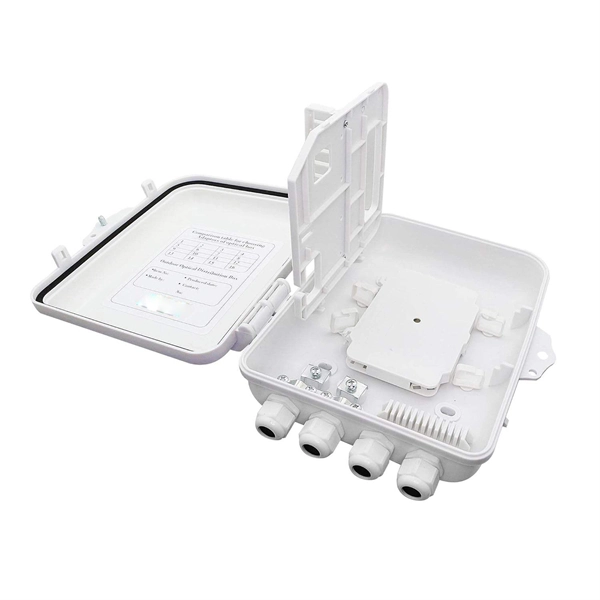
How to Splice Fiber in a Terminal Box: Complete Guide
Learn how to properly splice and manage fiber in a fiber optic terminal box. Follow this FTTH installation guide from Spring Optical for reliable fiber termination.
Fiber Cable Mechanical Splicing Guide Using Fiber Splice Trays
Learn how to perform mechanical fiber cable splicing inside fiber enclosures using fiber splice trays. This step-by-step guide covers fiber preparation, alignment, splicing, protection, and
All You Need To Know About Fiber Termination Boxes: Installation
Types of Fiber Optic CablesWhat Is A Fiber Termination Box?Fiber Termination Box Installation ProcedureMaintenance of Fiber Termination BoxIn network cabling, outdoor connections generally use fiber optic cables. When these optical fibers are installed or laid out, a Fiber Termination Box, or FTB, is used to distribute and protect the optical fiber links in FTTH networks. The fibertermination box is an interface between the fiber cable from the line side andthe pigtails to be passed t...See more on stl.techhonelinks
How to Install a Fiber Optic Termination Box (FTTH Steps)
Learn how to install a fiber optic termination box step-by-step for FTTH projects. Covers mounting, splicing, routing, labeling, and testing for indoor/outdoor use.
The Complete Step-by-Step Guide to Fiber Optic Splicing
Fiber optic splicing is an unavoidable activity in any fiber optic installation. In this guide, we talked about the what, why, and how of the two prevailing methods of
Fiber Optic Splice Boxes: Selection Criteria, and
What factors should be considered when selecting a fiber optic splice box? Consider the type of fibers, environmental conditions (indoor vs. outdoor), capacity
Fiber Optic Termination Box vs. Fiber Optic Splicing Box
At the heart of these networks lie two critical components: the fiber optic termination box and the fiber optic splicing box. Each serves distinct yet
Fiber optic junction box, Fiber optic terminal box
Find your fiber optic junction box easily amongst the 64 products from the leading brands (HS, LAPP, Cahors,) on DirectIndustry, the industry specialist for your
Fiber Optic Terminal Box Market in the world | Report
The World Fiber Optic Terminal Box market sits at the intersection of broadband infrastructure expansion and industrial network modernization. A fiber optic terminal box—also
China Terminal Box Manufacturers and Suppliers
The function of the splice box is to connect two sections of optical cables. The terminal box is the place where the end of the optical cable is connected, and
4 Port Surface Mount Fiber Wall Plate Box for SC/APC Adapter
This compact FTTH termination box features 4 adapter ports compatible with SC/APC connectors, supporting up to 4-core splicing and termination. It is made of durable, high-quality ABS plastic,
Fiber Optic Terminal Box Guide: Choosing the Right Enclosure for
Discover how to select the best fiber optic terminal box for data centers, campus fiber backbones, outdoor FTTH networks, and enterprise fiber systems. Learn how environment, capacity,
96-core optical fiber terminal box|sc/lc/fc/st fully
A substandard splice box can turn a gigabit broadband connection into a frustrating 100mbps experience, make surveillance footage stutter like a powerpoint presentation, and send
Fiber Optic Terminal Box
Optical termination box (OTB), is a compact fiber management box used for FTTH application. Fiber optic terminal box includes faceplate and drop cable protection
How to Install a Fiber Optic Termination Box (FTTH Steps)
Learn how to install a fiber optic termination box step-by-step for FTTH projects. Covers mounting, splicing, routing, labeling, and testing for indoor/outdoor use.
2 Port Surface Mount Fiber Terminal Box | Indoor Wall Outlet
The 2 port surface mount fiber terminal box is a compact indoor fiber wall outlet designed to protect the splicing of indoor or drop cables and pigtails. It serves as a termination point for FTTH home
Fiber optic splice box | Fiber terminal box | Fiberlink
Fiberlink provides fiber optic splice box products for FTTH solution, including fiber terminal box, fiber splice enclosure, optical distribution box.
Distributors: Splice Boxes & Optical Network Terminal Boxes
Distributors: Splice boxes, termination boxes & accessories Comprehensive selection of splice boxes, trays and more for your fiber optic network Splice boxes and splice distributors are essential for a
Fiber Optic Cable Installation Process: Connecting Homes
Dgtl Infra provides an in-depth overview of the fiber optic cable installation process, which involves a fiber drop, fiber splicing, mounting a “wall box” or termination
Related Video Reference
This video was associated with the source search result. Verify technical details against current product documentation and project requirements.