
Fiber Optics Understanding The Basics
Search optical fiber, connectivity, cable management and network infrastructure references.
-
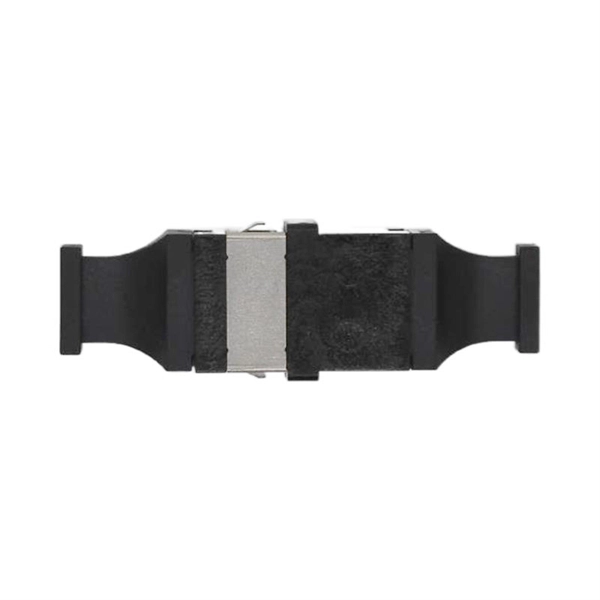
Fiber Optic Distribution Box for Fiber Optics
The fiber distribution box, also known as the optical fiber termination box, is a critical component in fiber optic networks. It acts as a central point for terminating, splicing, and distributing these cables. Fiber distribution box is suitable for the wiring connection of...
[PDF Version]
-
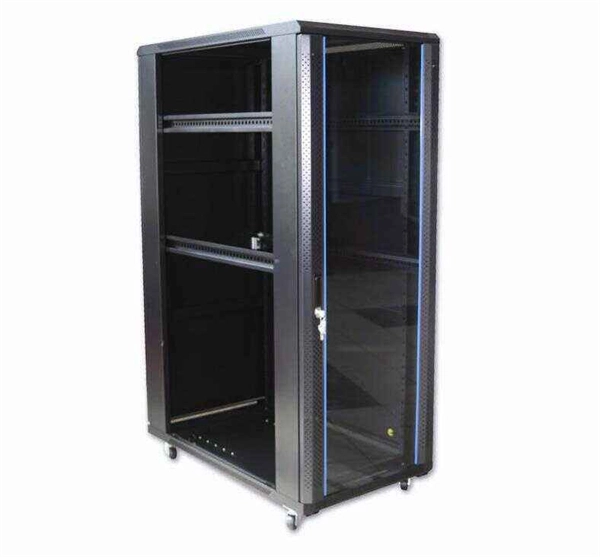
Transmitting single-mode signals via multimode fiber optics
Multimode fiber cables are the type of fiber cables that transmit data via their core of larger diameters enable an average, single-mode transceiver multiple modes of light to propagate through it. These differences determine which transceivers work with which fiber and how...
-
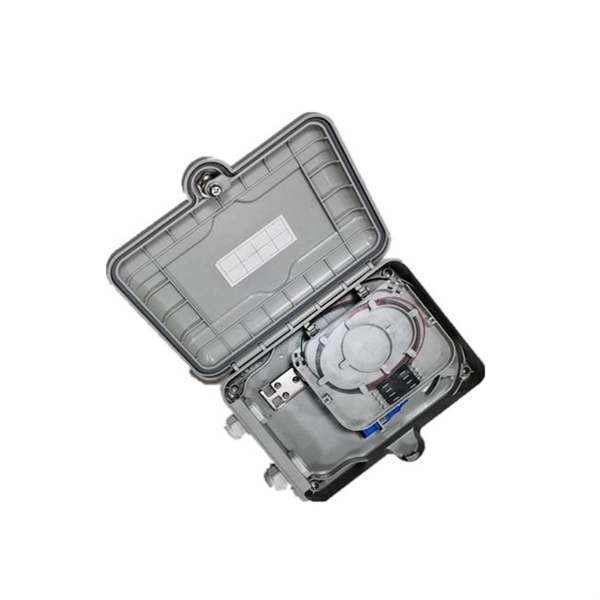
Analysis of the Reasons for Fiber Optics Being Converted into Optical Cables
Modern fiber-optic communication systems generally include optical transmitters that convert electrical signals into optical signals, to carry the signal, optical amplifiers, and optical receivers to convert the signal back into an electrical signal. The information...
-
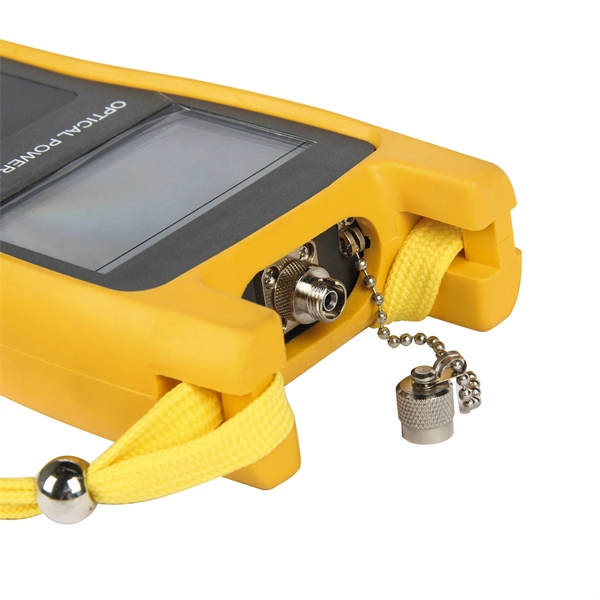
Advantages of Multimode Fiber Optics over Singlemode Fiber
Single Mode vs Multimode Fiber: Pros, Cons,Multimode fiber is generally easier to install and less expensive, especially for short-distance applications. T.
[PDF Version]
-

Transmission Principle of Single-Mode Fiber Optics
Single-Mode Optical Fiber Modes of light can only propagate through single-mode fiber optic cables due to their small core diameters. As a result, the amou.
[PDF Version]
Explore the next connection
- Quotation for the Assembly of Distribution Box Core
- PoE switches for general use
- Network rack foot dimensions
- American Composite Cable Tray Series
- Optical Module Industry in 2024
- Rack-mounted terminal box that can be placed inside an equipment enclosure
- Which is better a direct-fusion box or a terminal box
- The purpose of the fiber optic toolbox