
Fiber Optics Reel
Search optical fiber, connectivity, cable management and network infrastructure references.
-
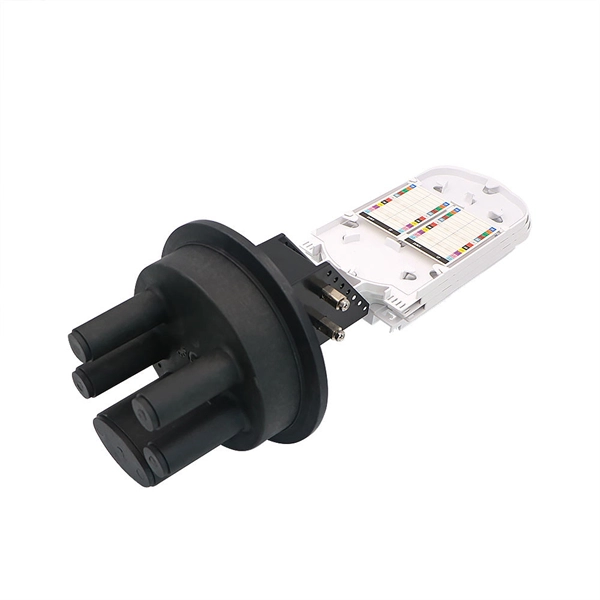
How to install the fiber optic cable reel connector box
Simply set the box down in a convenient place, unlock the built-in braking mechanism and begin pulling. Stack and configure boxes together to disburse cable from several reels at the same time. The FCR-1000 series cable reels are designed to fit Princetel's standard FORJs and...
[PDF Version]
-
How to wind the fiber optic cable onto the cable reel
To do it correctly, you need to set up the spool on a proper cable reel stand or jack. It's a simple yet. The FCR-1000 series cable reels are designed to fit Princetel's standard FORJs and slip rings. The rotary joints are protected inside the drum for durability and seamless...
-
The function of the fiber optic cable laying rack and cable reel
Their primary purpose is to control the force applied on the cable and prevent any form of bending and twisting. Fiber optic cable reels are essential tools in the telecommunications and cable installation industries, designed to facilitate the handling, storage, and...
[PDF Version]
-
Fiber Optic Reel Splice Arrangement Order Price
Fiber optic splicing costs vary widely depending on project size, location, fiber type, and site conditions. The "per splice" rate is the most. Idk if that's usual but the ranges are : 1-24 splices 25-72 73-144 144+ Guys that are paid similar to this scale, how much should I...
[PDF Version]
-
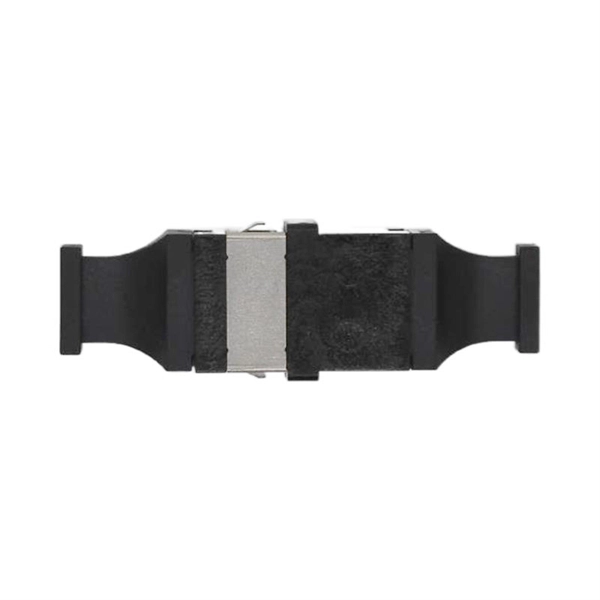
Fiber Optic Distribution Box for Fiber Optics
The fiber distribution box, also known as the optical fiber termination box, is a critical component in fiber optic networks. It acts as a central point for terminating, splicing, and distributing these cables. Fiber distribution box is suitable for the wiring connection of...
[PDF Version]
-
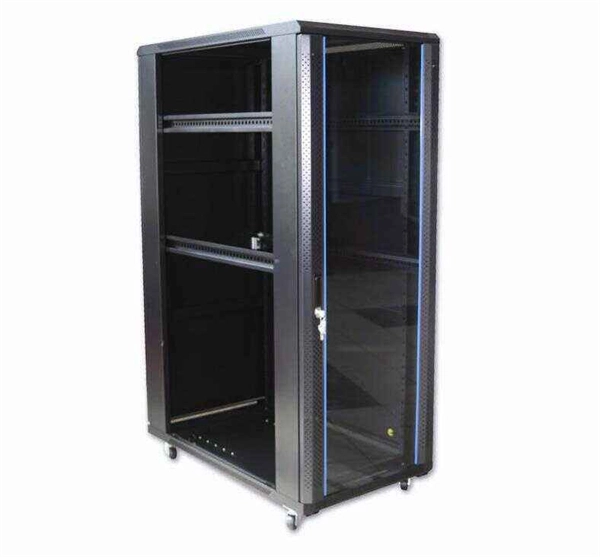
Transmitting single-mode signals via multimode fiber optics
Multimode fiber cables are the type of fiber cables that transmit data via their core of larger diameters enable an average, single-mode transceiver multiple modes of light to propagate through it. These differences determine which transceivers work with which fiber and how...
-
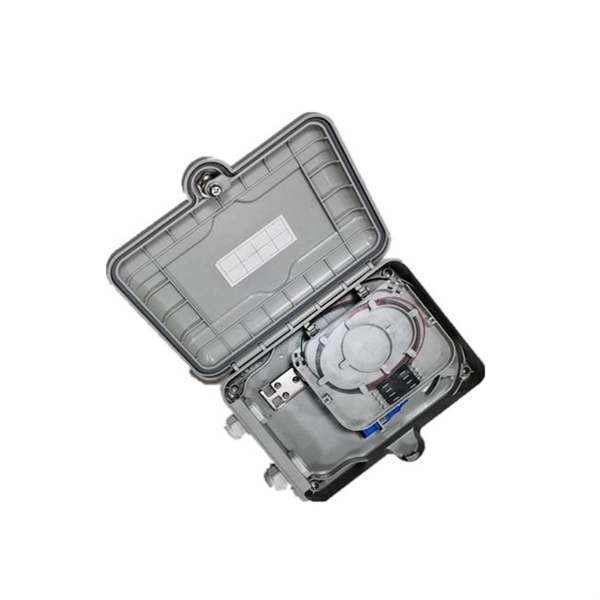
Analysis of the Reasons for Fiber Optics Being Converted into Optical Cables
Modern fiber-optic communication systems generally include optical transmitters that convert electrical signals into optical signals, to carry the signal, optical amplifiers, and optical receivers to convert the signal back into an electrical signal. The information...
Explore the next connection
- Loop Fiber Optic Cable Cabling
- How to install a suite network cabinet
- What are the uses of cable trays in Bolivia
- Fiber optic cable from equipment room A to equipment room B
- Splitting a thick optical cable into a thin optical cable
- Optical Module Interface Converter
- Improving Relay Protection Devices in Wind Farms