
Fiber Optic Technology 101 Principles And Advantages
Search optical fiber, connectivity, cable management and network infrastructure references.
-
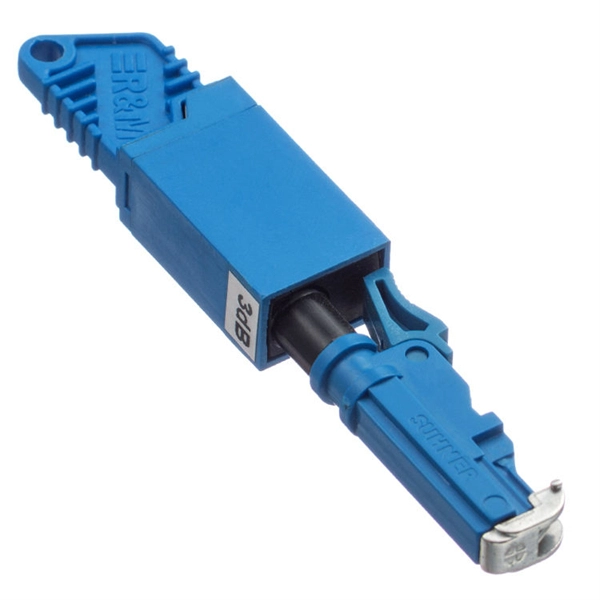
Tonga Fiber Optic Patch Cord Technology
Tonga Cable System is a system connecting with, where it connects to other international networks. It is 827 kilometres (514 mi) long and was activated in 2013. It has at Sopu, a suburb of in, and, Fiji. The project was funded by and the. An extension of the cable to and was...
-

How is the Fiber Optic Communication Technology major
Because the effect of dispersion increases with the length of the fiber, a fiber transmission system is often characterized by its bandwidth–distance product, usually expressed in units of ·km. This value is a product of bandwidth and distance because there is a trade-off...
-
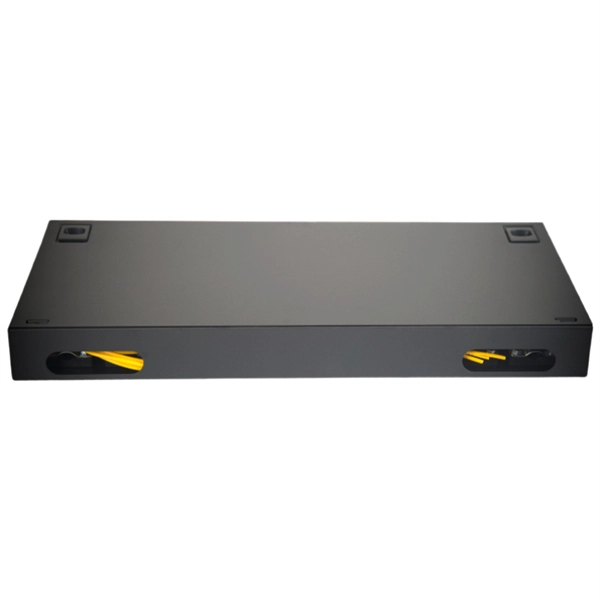
Eastern European Raman Fiber Optic Sensor Technology
Raman distributed optical fiber sensing has been demonstrated to be a mature and versatile scheme that presents great flexibility and effectivity for the distributed temperature measurement of a wide r.
-

Principles of Fiber Optic Transmission in Telecommunications
Fiber optic cables transmit data by converting electrical signals into optical signals, using a process called signal modulation. Modulation techniques, such as amplitude modulation (AM),frequency modulation (FM), or phase modulation (PM), are applied to encode data onto the...
[PDF Version]
-

Fiber Optic Communication Technology and
Modern fiber-optic communication systems generally include optical transmitters that convert electrical signals into optical signals, to carry the signal, optical amplifiers, and optical receivers to convert the signal back into an electrical signal. The information...