
How can one identify a broken fiber optic cable?
To identify a broken fiber optic cable, start by performing a visual inspection for any physical signs of damage, such as bends, cracks, or breaks...
Search optical fiber, connectivity, cable management and network infrastructure references.
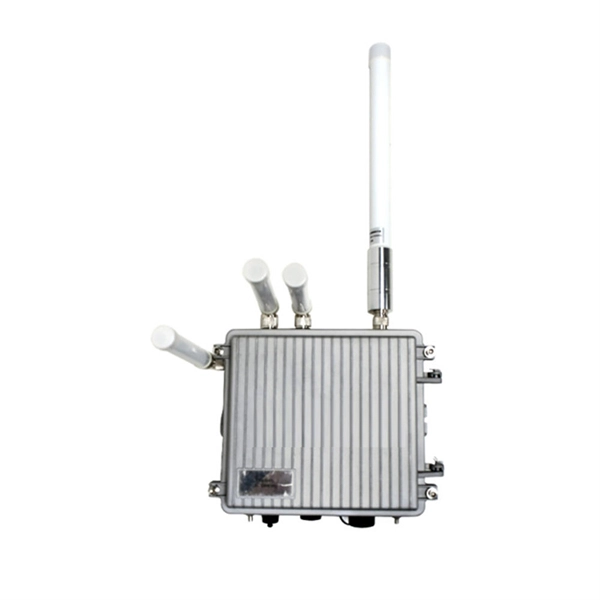
Artificial Intelligence (AI) is revolutionizing how fiber optic networks are monitored and optimized. AI-powered tools can predict potential failures, optimize network performance, and reduce downtime by analyzing vast amounts of data in real-time. Did you know that data in...
[PDF Version]
Fiber Optic Issues: Troubleshooting & Prevention TipsSolve common fiber optic network problems—attenuation, damage, connector issues. Learn troubleshooting.
[PDF Version]To identify a broken fiber optic cable, start by performing a visual inspection for any physical signs of damage, such as bends, cracks, or breaks...
There are several methods to test fiber optic cables without a tester. One method is using a visual fault locator (VFL), as mentioned earlier, to v...
Intermittent fiber optic connections can be caused by a variety of factors, including: Poorly terminated connectors or splices that result in unsta...
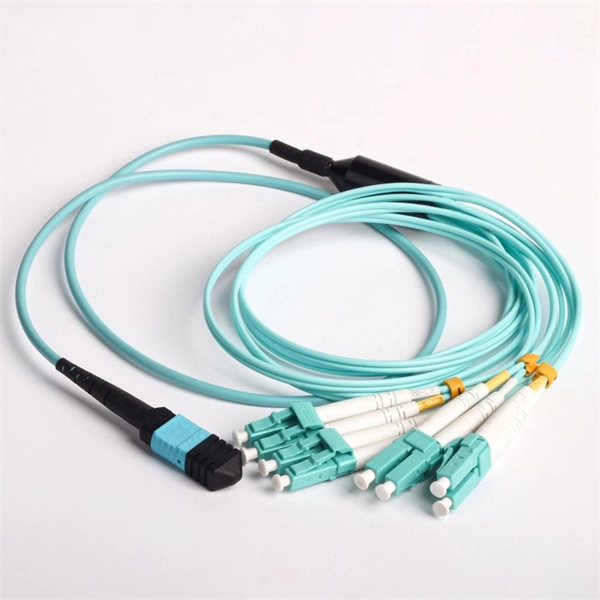
What are the steps for fiber optic cable cutting It is suitable for fiber optic cable line cutover with backup fiber optic cable routing. This solution mai.
[PDF Version]
There are connectors designed for single mode and multimode fiber optic cables, which differ in core size, bandwidth, and optimal use cases as explained in this comprehensive guide to fiber optic cable.
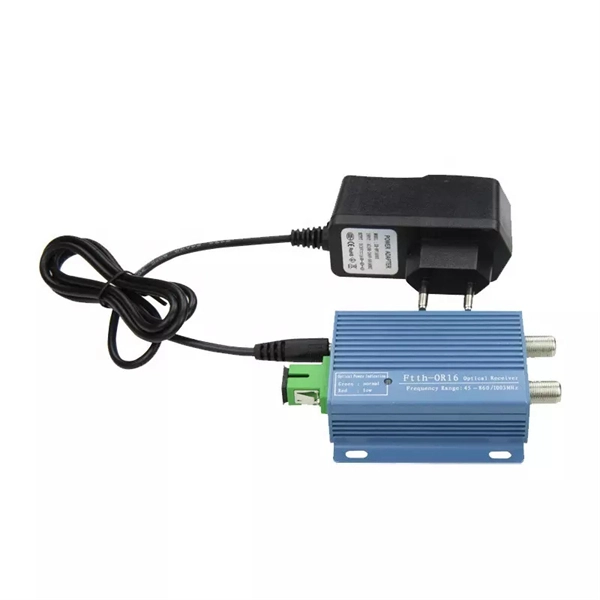
ADSS (All-Dielectric Self-Supporting) fiber cable is a robust, non-metallic optical cable designed for aerial installations without the need for a separate messenger wire. It consists of single-mode or multi-mode fibers housed in loose tubes made of high-modulus plastic...
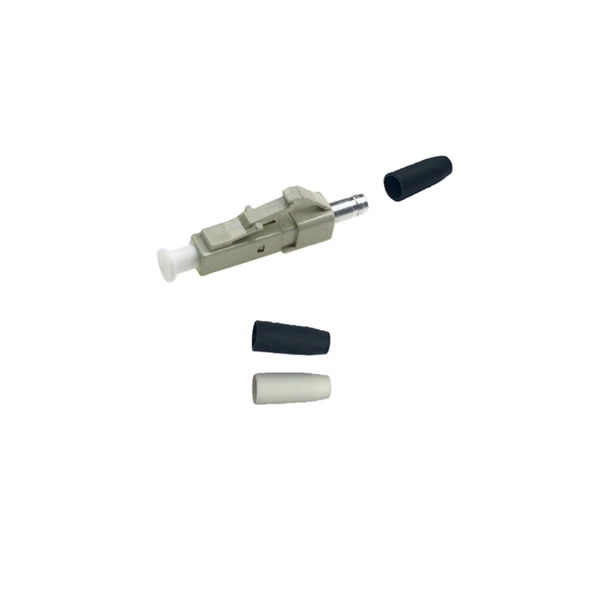
We investigate and compare various fabrication methods such as single pass (line by line), double pass, and stacking (plane by plane) to create the highest reflectivity FBGs (99. 98%) for mid-infrared (mid-IR) applications. A fiber Bragg grating (FBG) is a type of distributed...
[PDF Version]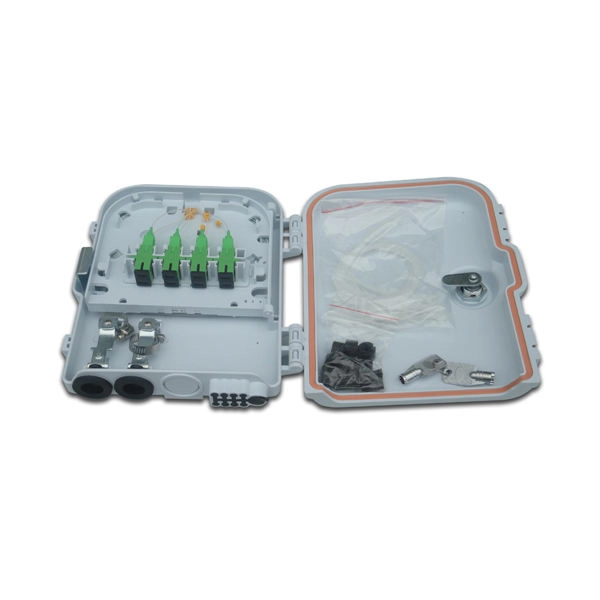
Wired IP installations commonly cost $125–$450-450 per camera installed, or $500–$1,600-1,600 for a 4-camera system. A 4-camera home system and a 32-camera warehouse system are fundamentally different projects with different budgets, different hardware requirements, and...
[PDF Version]Share the fiber interfaces, termination capacity, cable route and evidence required for handover.