
Fiber Optic Patch Cords Guide Types Connectors
Search optical fiber, connectivity, cable management and network infrastructure references.
-
What are the different types of dual-core fiber optic patch cords
The most common types are: Small Form Factor (SFF), push-pull mechanism. Highly popular in data centers for high-density installations. Widely used in Passive Optical Networks (PON) and simpler systems. At ZION Communication, we design and manufacture a full range of fiber...
[PDF Version]
-
What types of materials are used in fiber optic patch cords
A fiber-optic patch cord is constructed from a core with a high, surrounded by a coating with a low refractive index, that is strengthened by and surrounded by a protective jacket. Transparency of the core permits transmission of optic signals with little loss over great...
[PDF Version]
-
What is the main function of fiber optic patch cords
A fiber-optic patch cord is a cable capped at each end with connectors that allow it to be rapidly and conveniently connected to equipment. This is known as interconnect-style cabling.
-
What kind of wire cutter is best for fiber optic patch cords
Kevlar scissors are specifically designed to cut through Kevlar or aramid yarn strength members in fiber optic cabling. We keep them in stock in our store because they are super durable and hold up under extreme use. We compare their core strengths, from ultra-precise...
[PDF Version]
-
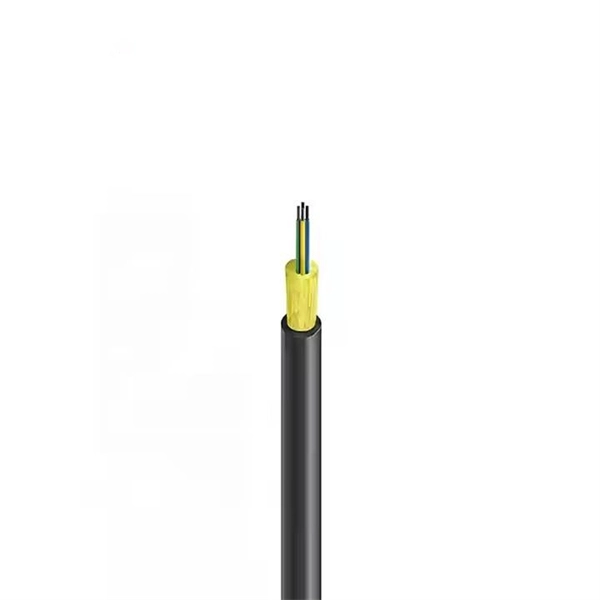
Do fiber optic patch cords have steel wires and how are they connected
Armored: Contains a steel layer for additional protection in harsh environments. LC: Compact, common in data centers SC: Push-pull, often in telecom FC: Screw-on, used in test labs ST: Twist-lock, legacy systems When ordering fiber patch cords, always confirm the following...
[PDF Version]
-
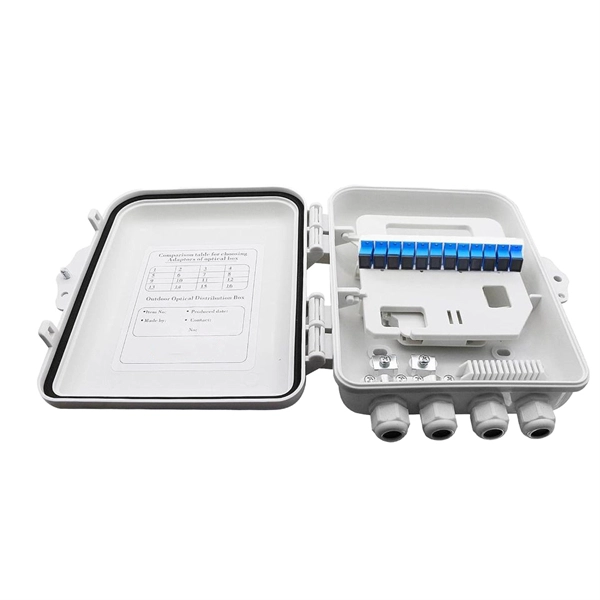
Fiber optic patch cords are wear-resistant and durable
Fiber patch cords in such networks need to be durable and corrosion-resistant to withstand extreme weather conditions, which is why they are often made with high-modulus aramid yarn to enhance strength and flexibility. As networks move to higher speeds and higher density...
Explore the next connection
- The fiber optic splice cannot be inserted
- Methods for removing electrical distribution boxes
- Bridge construction in Uzbekistan
- Electrical cable tray flat bending fabrication
- Fiber optic cable tail wire connection
- The Role of Microwave Laser Diodes
- Aerospace-grade QSFP28 optical module SFP selection guide