
Fiber Optic Circulators Enabling Smarter Directional
Search optical fiber, connectivity, cable management and network infrastructure references.
-
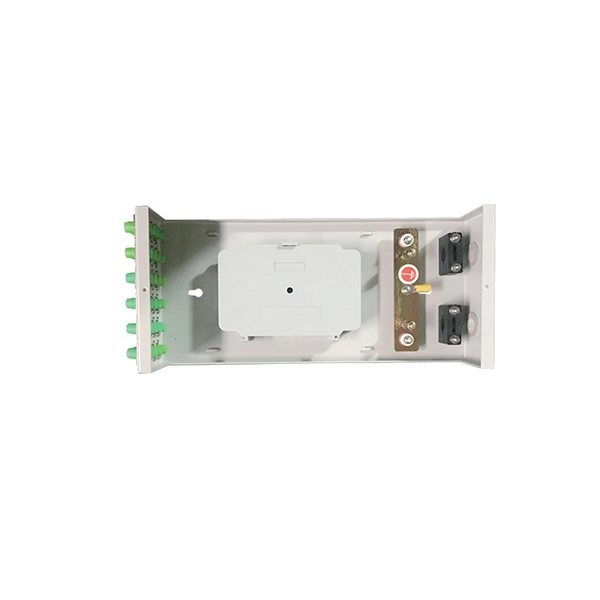
Introduction to the Basic Principles of Fiber Optic Circulators
An optical circulator is a three- or four-port designed such that entering any port exits from the next. This means that if light enters port 1 it is emitted from port 2, but if some of the emitted light is reflected back to the circulator, it does not come out of port 1 but...
-
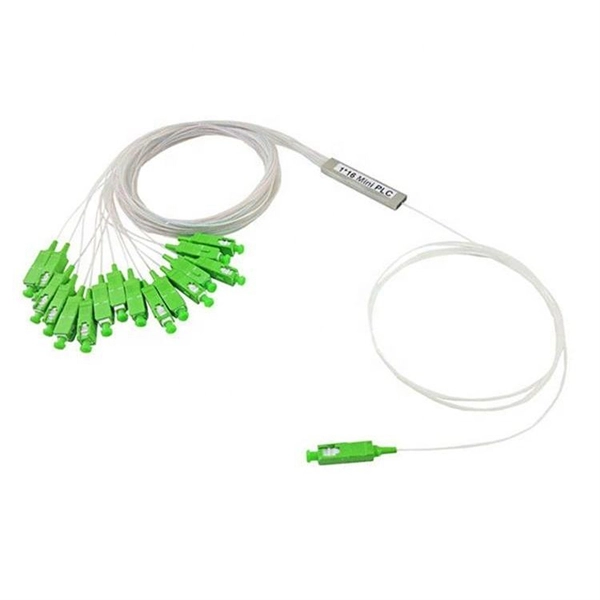
Fiber Optic Cable Fittings Strands
There are connectors designed for single mode and multimode fiber optic cables, which differ in core size, bandwidth, and optimal use cases as explained in this comprehensive guide to fiber optic cable.
-
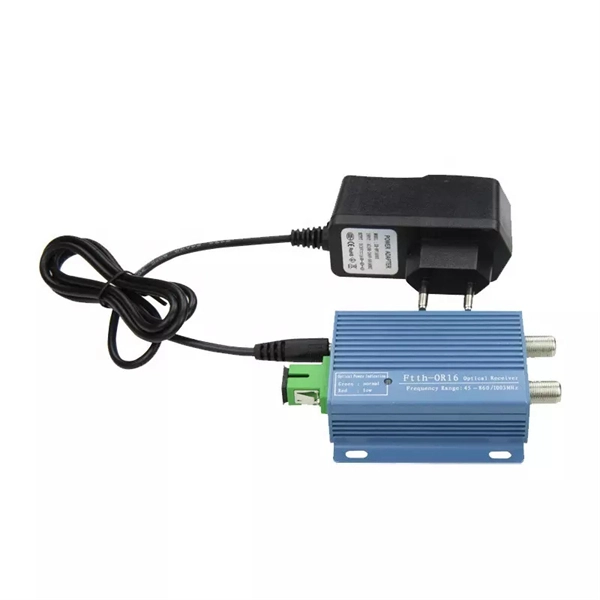
Is the ADSS fiber optic cable dual-mode or single-mode
ADSS (All-Dielectric Self-Supporting) fiber cable is a robust, non-metallic optical cable designed for aerial installations without the need for a separate messenger wire. It consists of single-mode or multi-mode fibers housed in loose tubes made of high-modulus plastic...
-
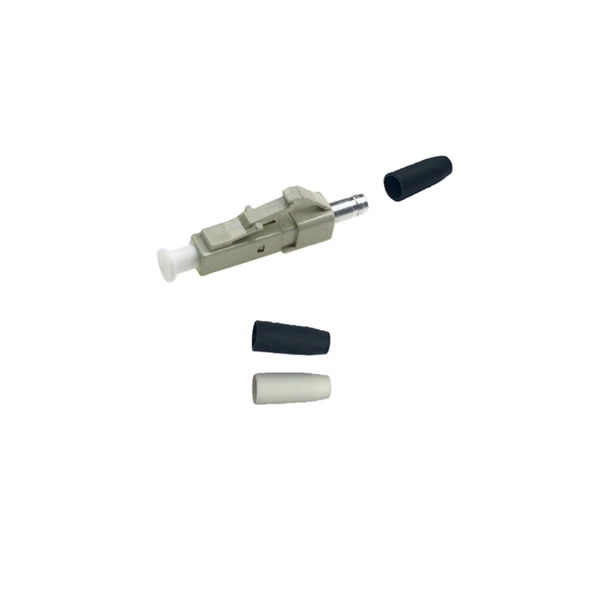
High reflectivity of fiber optic gratings
We investigate and compare various fabrication methods such as single pass (line by line), double pass, and stacking (plane by plane) to create the highest reflectivity FBGs (99. 98%) for mid-infrared (mid-IR) applications. A fiber Bragg grating (FBG) is a type of distributed...
[PDF Version]
-
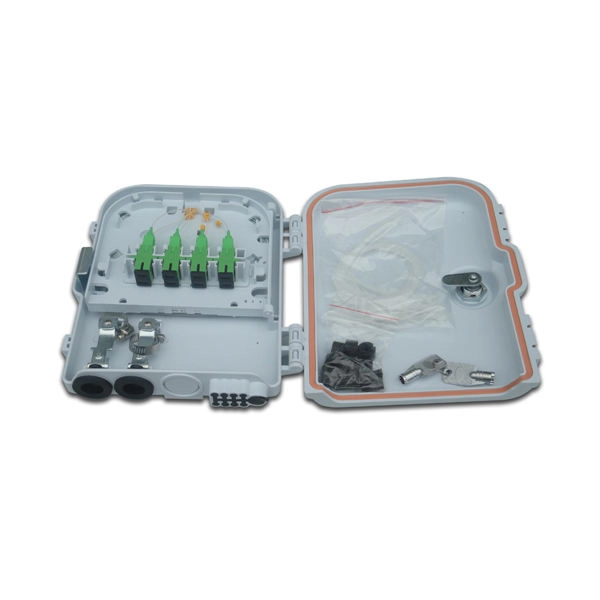
How much does it cost to install a surveillance system with a 4-core fiber optic cable
Wired IP installations commonly cost $125–$450-450 per camera installed, or $500–$1,600-1,600 for a 4-camera system. A 4-camera home system and a 32-camera warehouse system are fundamentally different projects with different budgets, different hardware requirements, and...
[PDF Version]