
Fiber Optic Cable Suspension Clamps A Comprehensive Guide To
Search optical fiber, connectivity, cable management and network infrastructure references.
-
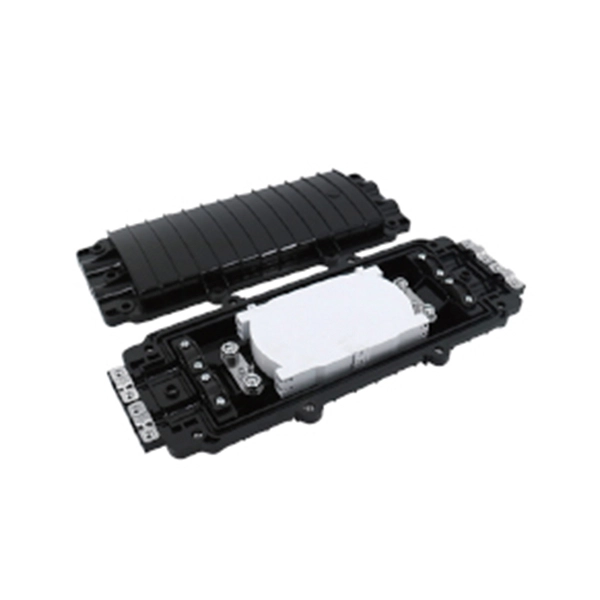
Wall-mounted fiber optic cable suspension terminal accessories
These accessories are designed to secure and stabilize drop cables in residential or commercial fiber optic installations. The clamps, available in various types such as Fiber Tension Clamps, Stainless Steel Drop Wire Clamps, and others, ensure proper cable alignment and...
[PDF Version]
-
Fiber optic cable suspension wire binding
Pengapit penggantungan untuk kabel gentian optik, or fiber optic suspension clamps, are designed to securely hold fiber optic cables during installation and operation. Material: The armour grip suspension is composed of a certain number of helical rods, a concave Neoprene...
[PDF Version]
-
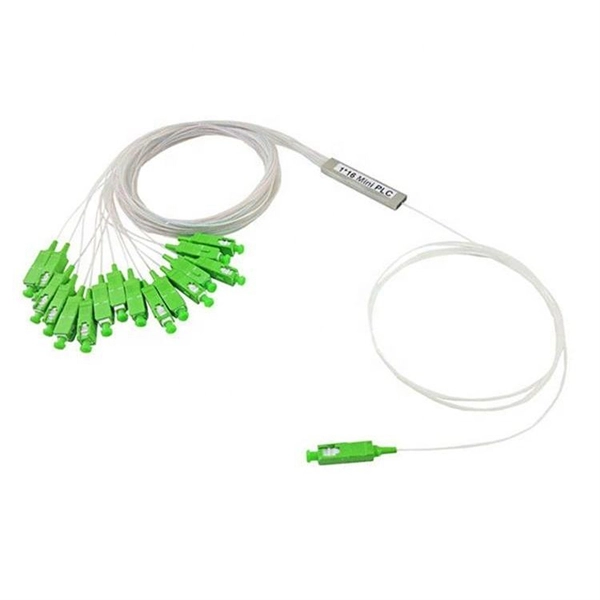
Fiber Optic Cable Fittings Strands
There are connectors designed for single mode and multimode fiber optic cables, which differ in core size, bandwidth, and optimal use cases as explained in this comprehensive guide to fiber optic cable.
-
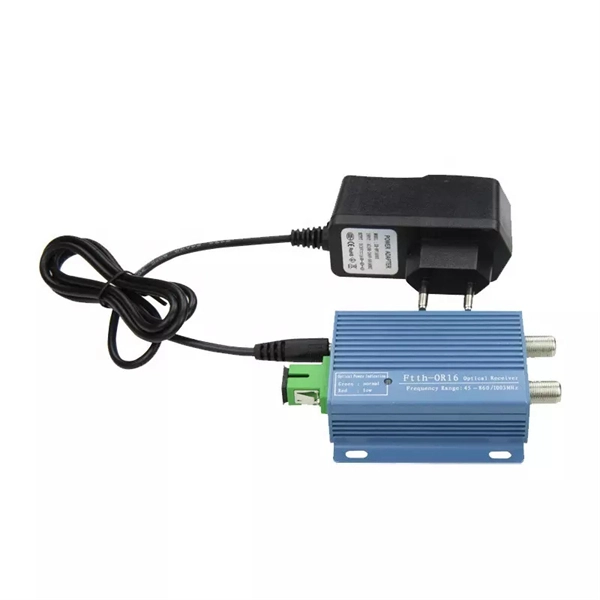
Is the ADSS fiber optic cable dual-mode or single-mode
ADSS (All-Dielectric Self-Supporting) fiber cable is a robust, non-metallic optical cable designed for aerial installations without the need for a separate messenger wire. It consists of single-mode or multi-mode fibers housed in loose tubes made of high-modulus plastic...
-
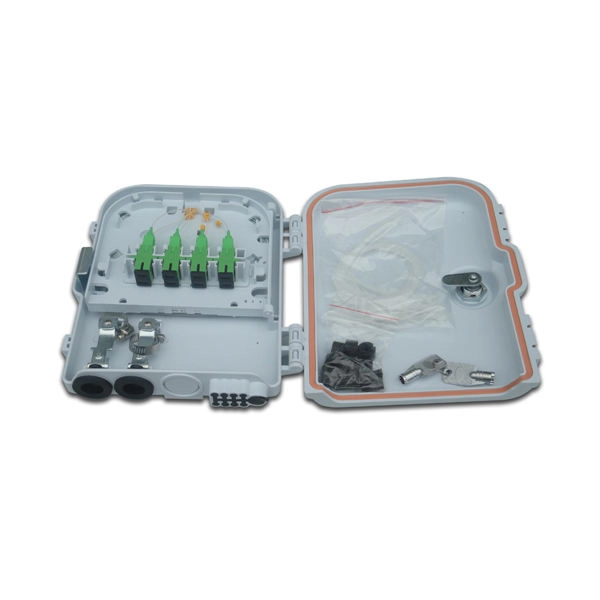
How much does it cost to install a surveillance system with a 4-core fiber optic cable
Wired IP installations commonly cost $125–$450-450 per camera installed, or $500–$1,600-1,600 for a 4-camera system. A 4-camera home system and a 32-camera warehouse system are fundamentally different projects with different budgets, different hardware requirements, and...
[PDF Version]
-
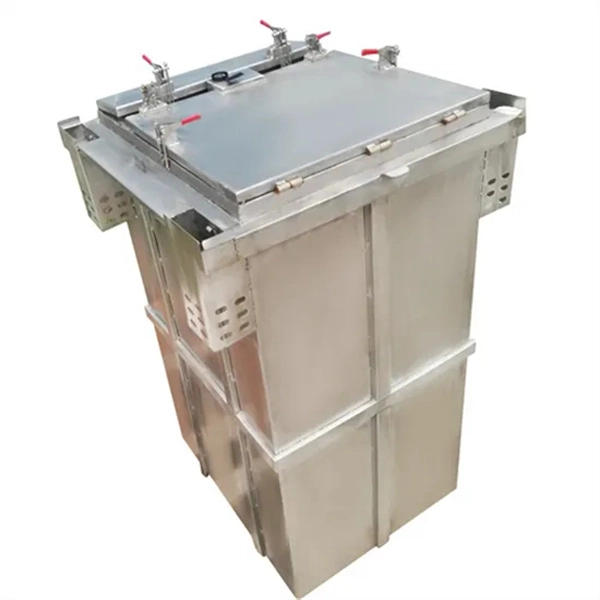
Lightning strike caused damage to fiber optic cable
Lightning poses several significant risks to fiber optic cables and the networks they support: Cable Damage: A lightning strike can directly damage fiber optic cables, causing signal loss, equipment failure, or complete network outages. And this blog talks about the main...