
Fiber connection and distribution references
Complete Guide to Fiber Internet: Benefits & How It Works
A fiber internet service delivers broadband directly to customers via fiber-optic cables. Each home has a dedicated fiber broadband cable, unlike the shared copper telephone wires used in
Fiber-optic cable
OverviewDesignPerformanceCable typesColor codingHybrid cablesInnerductsSee also
A fiber-optic cable, also known as an optical-fiber cable, is an assembly similar to an electrical cable but containing one or more optical fibers that are used to carry light. The optical fiber elements are typically individually coated with plastic layers and contained in a protective tube suitable for the environment where the cable is used. Different types of cable are used for fiber-optic communication in different applications, for exa
What Is Fiber Internet?
Learn what is fiber internet, how it works, installation steps, speed plans, pricing, and why fiber internet providers deliver faster, more reliable connections than cable.
What is Fiber Optic Internet and How It Works
Fiber optic internet delivers very high-speed broadband, sometimes up to 1 Gbps or more. Most homes connect through an Internet Service Provider, or ISP, that uses fiber optic cables
Fiber FTTH Optical Drop Cable: The backbone of reliable fiber-to-the
By: Abdullah Jamil As demand for high-speed internet continues to grow, fiber optic technology has become the preferred solution for delivering reliable broadband services. Streaming
New SCTE Microcredential Validates Fiber Optic Cable Blowing Skills
A new SCTE microcredential and PNM training series deliver industry-validated skills for fiber installation and proactive network troubleshooting.
Top US Fiber Optic Cable Manufacturers & Best Global
Looking for top fiber optic companies in the USA? We review leaders like Corning & AFL, and compare them with global OEM alternatives for AI data
Fiber Optic Connectivity Market Share & Forecast, 2026-2033
The fiber optic cables segment is expected to account for 36.0% of the global fiber optic connectivity market share in 2026. The global fiber optic connectivity market is dominated by fiber
Fiber Optic OSP Cable Market in the world | Report
Market Forecast to 2035 Over the 2026–2035 period, the World Fiber Optic OSP Cable market is expected to nearly double in volume, reflecting combined growth from broadband
Optical Fiber
CommScope''s innovations in fiber optic cable have enabled it to produce fiber cables that delivers consistent, fast performance over long distances.
Fiber Optic Cable Market Opportunity, Growth Drivers, Industry Trend
The fiber optic cable market continues to witness robust expansion as demand for high-speed data transmission accelerates across communication and digital infrastructure networks
Fiber Internet Installation Guide | BroadbandSearch
Fiber to the Home (FTTH) means the fiber-optic cable runs all the way from the provider''s network directly to your home — the connection is fiber end to end. This delivers the full benefits of
Confluent Technology Group | Broadband & Telecom
Confluent Technology Group provides expert broadband repairs, telecom equipment solutions, and network infrastructure services. From fiber optics to RF
OPGW 48 Core Optical Fiber Cable
Zion Communication is a leading China manufacturer of OPGW 48 Core Optical Fiber Cable, providing high-quality Optical Ground Wire solutions with robust
Fiber Optics: Telecom Network Backbone
📡 Fiber Optics: The Backbone of Modern Telecom A fiber optic cable doesn''t transmit electricity—it carries light. 💡 This allows telecom networks to deliver: Ultra-high bandwidth Faster
Fiber Optic Preform Market in China | Report
China is the world''s largest market for fiber optic preforms, consuming roughly 45–50% of global production by volume. The market''s scale reflects the country''s dominant position in optical
Fiber Optic Terminal Box Market in the world | Report
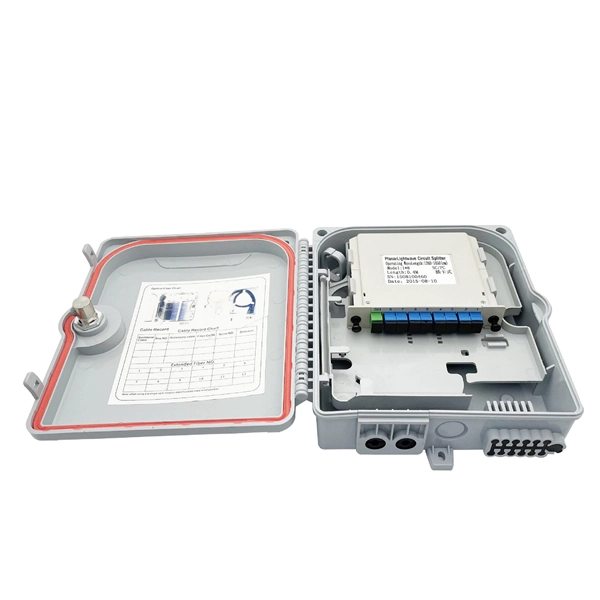
The World Fiber Optic Terminal Box market sits at the intersection of broadband infrastructure expansion and industrial network modernization. A fiber optic terminal box—also
What Is Fiber and How Does It Work?
Fiber delivers internet service over the world''s fastest telecommunications conduit: fiber-optic cabling that can carry exponentially more
Related Video Reference
This video was associated with the source search result. Verify technical details against current product documentation and project requirements.