
Fiber Color Code Identify Optic Cable
Search optical fiber, connectivity, cable management and network infrastructure references.
-
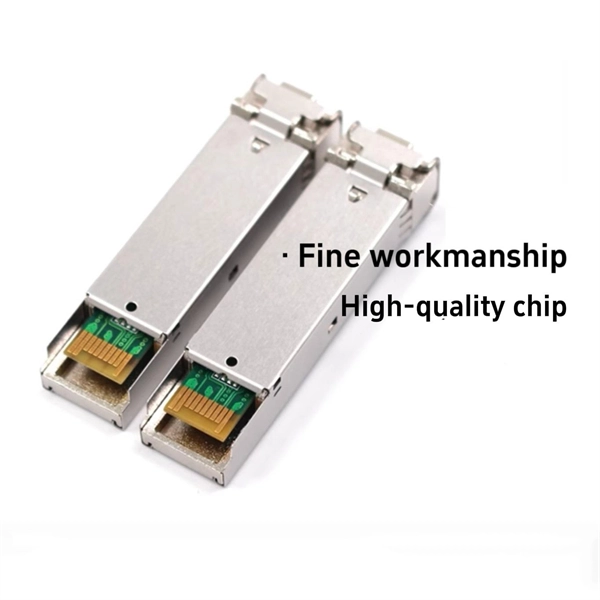
Om3 fiber optic cable color is different
In conclusion, OM3 fiber cables are predominantly light blue or aqua in color, as per industry standards. Color-coding is a big help when identifying individual fibers, cable, and connectors. For example, cable jacket color typically defines the fiber type, and can differ...
[PDF Version]
-
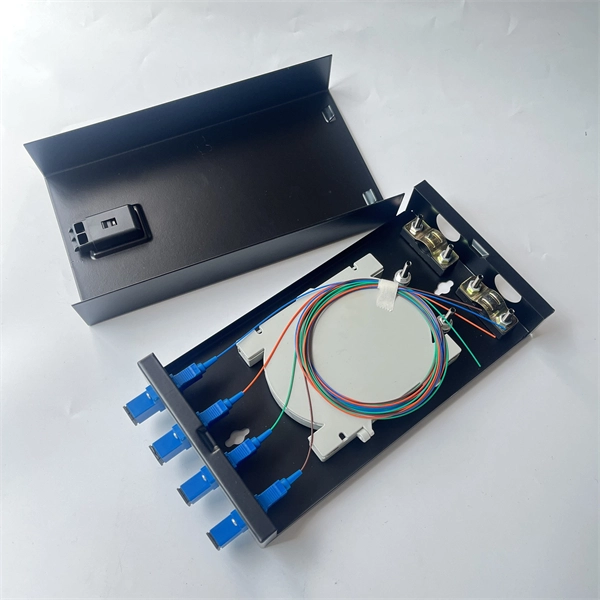
Fiber Optic Cable Tube Color
Tubes with 24 uniquely colored fibers: Fibers 1 to 12 use the standard blue through aqua color sequence. Perfect for fast, error-free termination in your ODF or splice closures. Available in OS2/OM3/OM4 at factory-direct wholesale pricing. This sequence is used by the...
[PDF Version]
-
Fiber Optic Cable Coating Color
This guide explains the latest EIA/TIA-598-D fiber color-coding standard used to identify fiber types, inner fiber sequences, and connector polish styles. With clear tables and updated details, it serves as a comprehensive reference for technicians handling modern fiber...
[PDF Version]
-
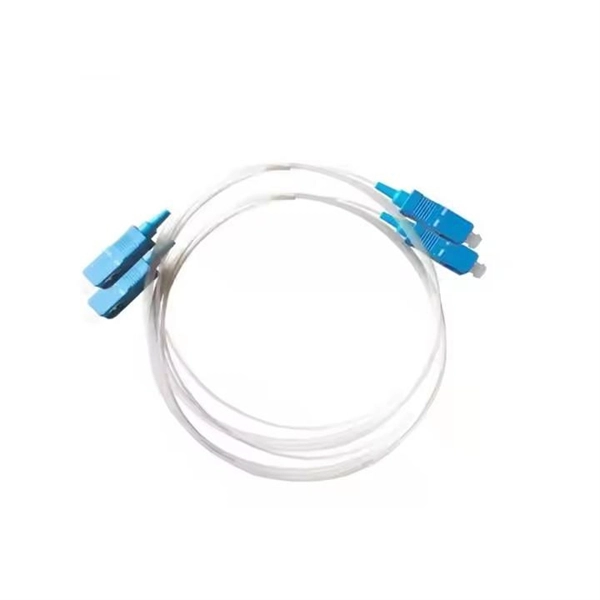
Fiber Optic Cable Color Steps
We'll break down the TIA-598 color code standard —the industry's universal language—into a simple, actionable system. You'll learn how to identify single-mode vs. multimode at a glance, trace individual strands in a 144-fiber bundle, and avoid the critical error of mixing...
[PDF Version]
-
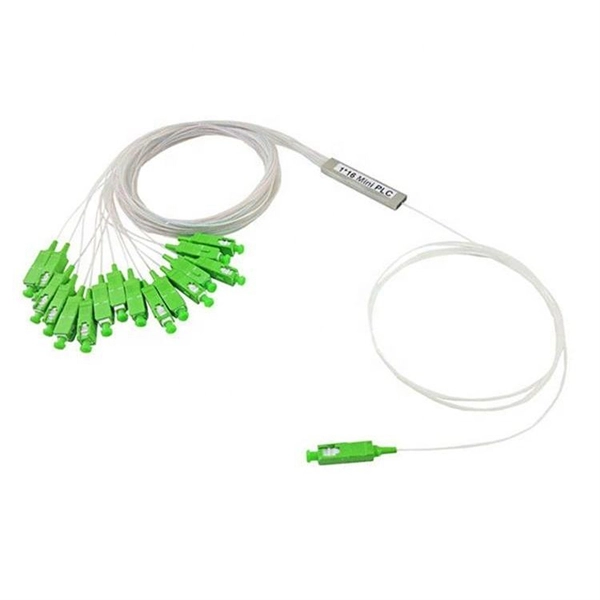
Fiber Optic Cable Fittings Strands
There are connectors designed for single mode and multimode fiber optic cables, which differ in core size, bandwidth, and optimal use cases as explained in this comprehensive guide to fiber optic cable.
-
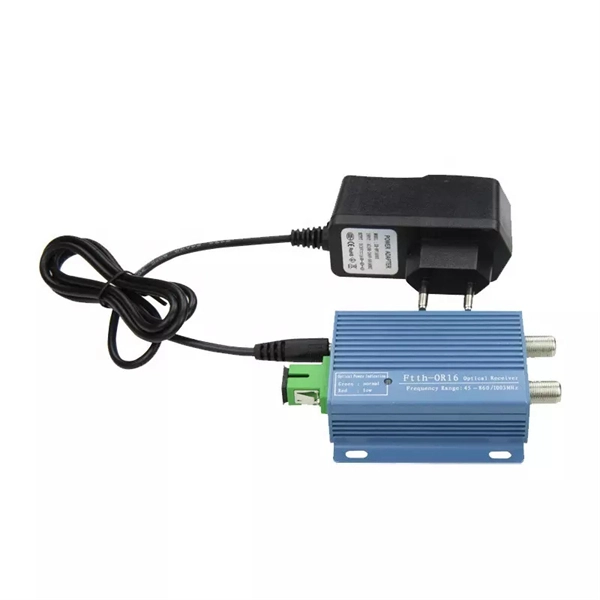
Is the ADSS fiber optic cable dual-mode or single-mode
ADSS (All-Dielectric Self-Supporting) fiber cable is a robust, non-metallic optical cable designed for aerial installations without the need for a separate messenger wire. It consists of single-mode or multi-mode fibers housed in loose tubes made of high-modulus plastic...
-
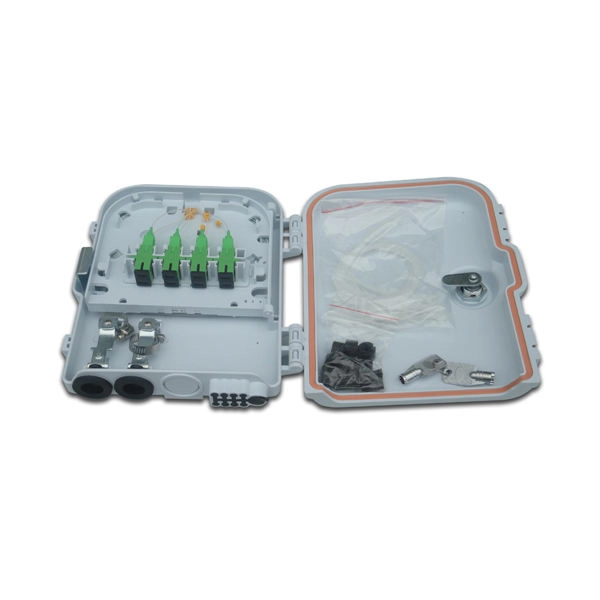
How much does it cost to install a surveillance system with a 4-core fiber optic cable
Wired IP installations commonly cost $125–$450-450 per camera installed, or $500–$1,600-1,600 for a 4-camera system. A 4-camera home system and a 32-camera warehouse system are fundamentally different projects with different budgets, different hardware requirements, and...
[PDF Version]
Explore the next connection
- Fabrication of Elbow Cable Tray Cover Plates
- Residual Current of AC DC Integrated Power Supply
- Can fiber optic communication use light
- Etc Industrial Switch Brands
- Purchase 400G of high-speed DAC cable
- The main switch in the distribution box is overheating
- Denmark High-Speed Optical Connectivity QSFP-DD
- The ground wire of the distribution box is not connected
- Nan Ya Cable Tray Material Company