
Electrostatic Discharge Esd Sensors
Search optical fiber, connectivity, cable management and network infrastructure references.
-
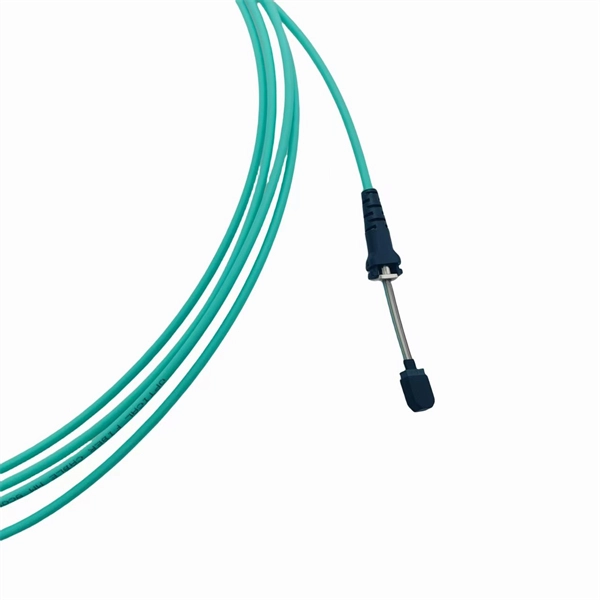
Electrostatic Discharge Immunity of Optical Modules
IEC 61000-4-2: 2025 relates to the immunity requirements and test methods for electrical and electronic equipment subjected to static electricity discharges from operators directly and from personnel to adjacent objects. Electrostatic discharge (ESD) can be defined as the...
-
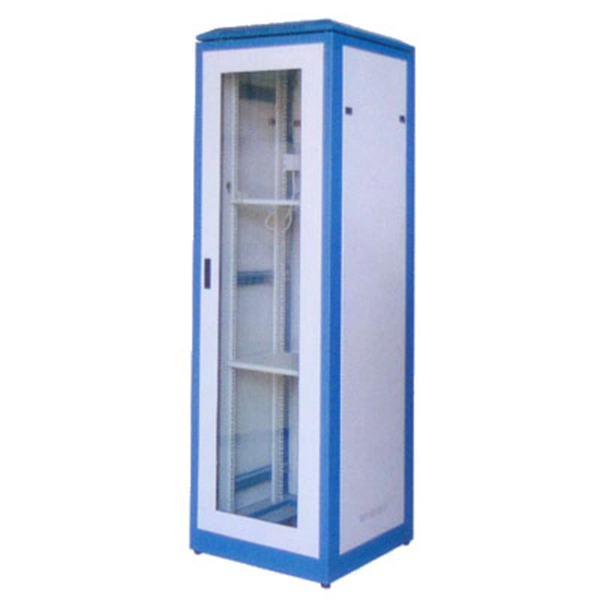
Electrostatic Discharge Monitoring for Distribution Boxes
You can effectively monitor static discharge events through these 10 proven methods: Use an oscilloscope with high bandwidth settings to capture waveforms, implement contact discharge testing with ESD simulators, utilize air discharge testing following IEC standards, employ...
[PDF Version]
-
What are some types of bend-resistant fiber optic sensors
Lineup includes side‑view and bendable sleeve types. The fluorocarbon resin coating allows these fibres to be used in almost any environment, including oil or chemical‑splash conditions. Resistant to 30 million bends!The following is a classification example of KEYENCE's...
-
The role of fiber optic mirror sensors
A fiber loop mirror, or fiber loop reflector, is a simple reflecting device for fiber optics, made by connecting two ports of a fiber coupler with a fiber loop; it can be considered as a Sagnac interferometer. In the linear regime with a 50:50 coupler, it acts as a perfect...
[PDF Version]
-
Do fiber optic sensors need a controller
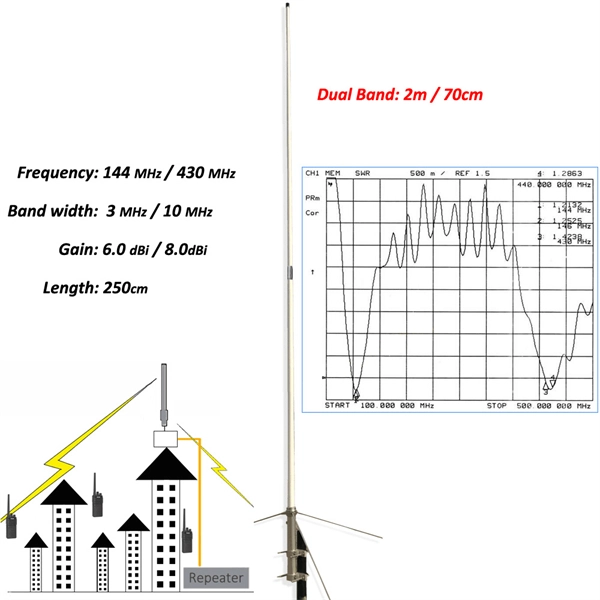
Extrinsic fiber-optic sensors use an, normally a one, to transmit light from either a non-fiber optical sensor, or an electronic sensor connected to an optical transmitter. A major benefit of extrinsic sensors is their ability to reach places which are otherwise inaccessible...
-
The function of electrostatic bridging in cable trays
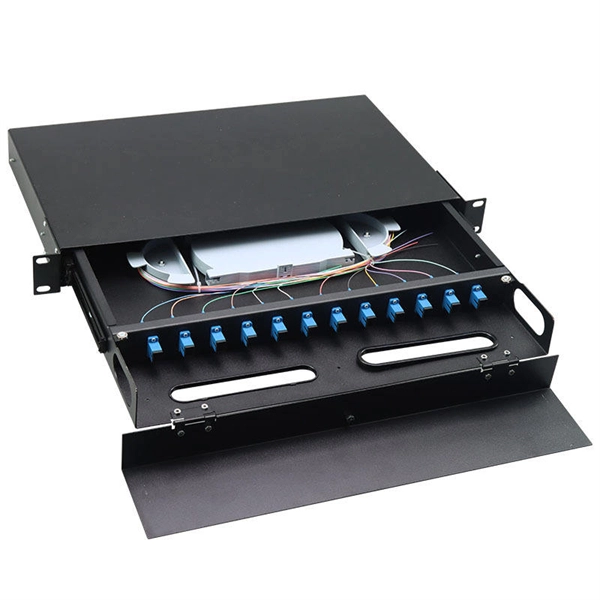
The function is to provide a continuous, supported pathway that prevents cables from lying loose and vulnerable to physical damage. The system includes straight sections, fittings, and support hardware. Not all cable trays are equivalent. The mechanical and electrical...
[PDF Version]