
Distributed Temperature Sensing
Search optical fiber, connectivity, cable management and network infrastructure references.
-
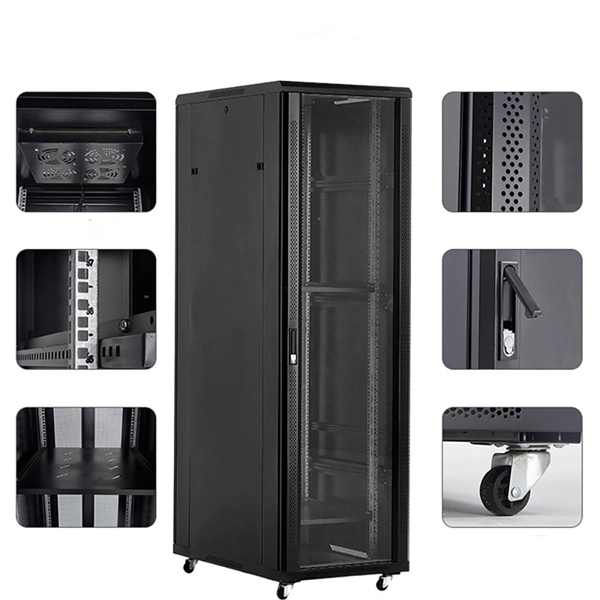
Huawei Distributed Fiber Optic Acoustic Sensing
Huawei OptiXsense EF3000-A50 is a distributed optical fiber sensing system that can quickly identify and accurately locate pipeline threats, and report alarms in real time using optical fibers deployed alongside pipelines. This technology, combined with big data/GIS mapping...
[PDF Version]
-
Installation Method of Armored Temperature Sensing Optical Cable in Cable Tunnels
Cable Installation Considerations for Structure MonitoringFor DAS, the key is finding an installation method that places the cable close to the signal of i.
[PDF Version]
-
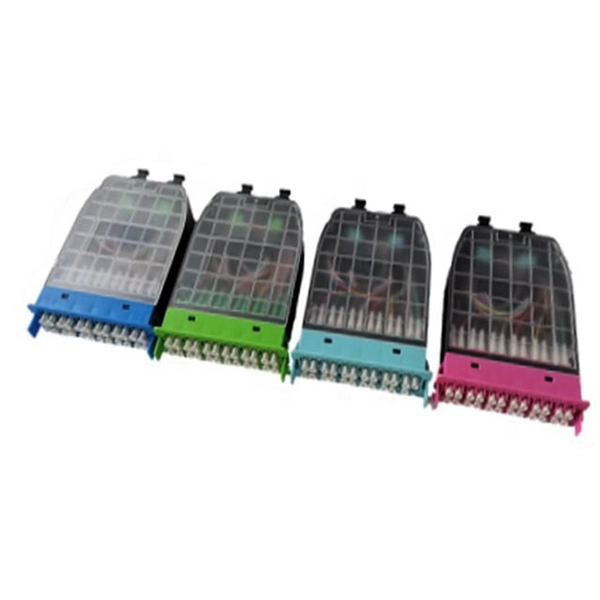
Temperature Sensing Optical Cable Temperature Measurement Optical Cable
Temperature Measurement Using Optical Fiber The paper deals with the overview of fiber optic methods suitable for temperature measurement and monitoring. T.
[PDF Version]
-
High Temperature Resistance of Red Light Source for Smart Cities
This study proposes the design and development of public light systems integrated with Internet of Things (IoT) applications for smart cities. Smart public lighting systems are designed using LED light so.
-
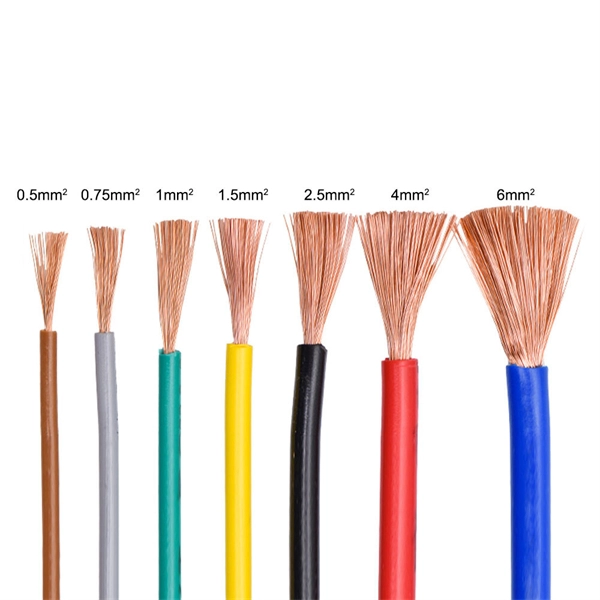
High Temperature Resistance for Optical Cable Laying
High-temperature cables commonly use polyimide-coated fibers or fibers coated with high-temperature acrylates. These coatings resist softening, maintain tensile strength, and protect the fiber core from oxidative or chemical damage. Optical fiber's ability to withstand...
[PDF Version]
-
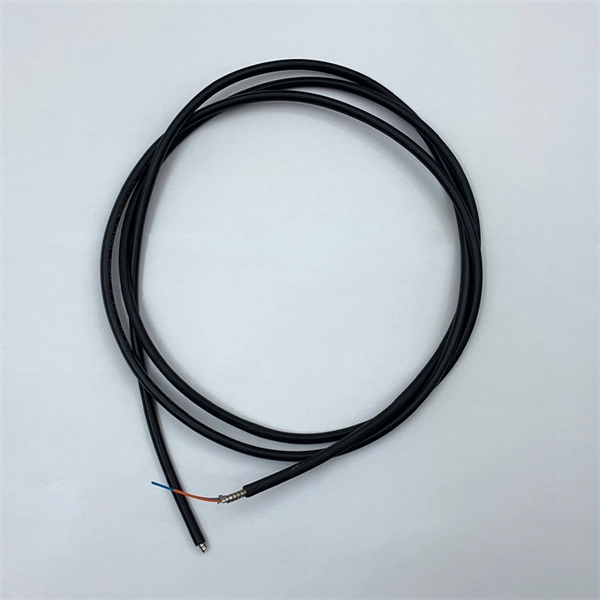
Southeast Asia s Professional Temperature Measuring Optical Cable Manufacturer
We are a thermal engineering and specialized cable manufacturer established in 1990. Recognized as a leading developer and manufacturer of fiber optic temperature sensing and partial discharge monitoring products, providing solutions for a multitude of industrial...
[PDF Version]
-
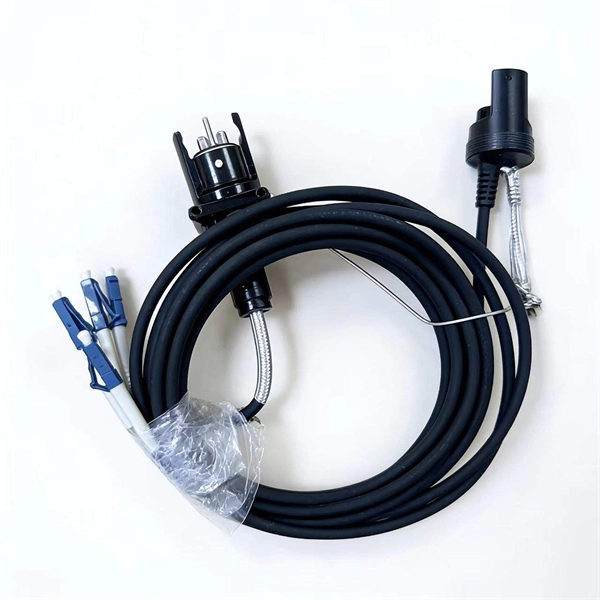
Photovoltaic inverter module temperature
Photovoltaic modules are tested under standard conditions of 25 °C, with temperature coefficients for different technologies ranging from -0. When the temperature rises from 25 °C to 70 °C, output power can drop by 10%–20%, while 20–30 °C is closer to the ideal operating...
[PDF Version]
-
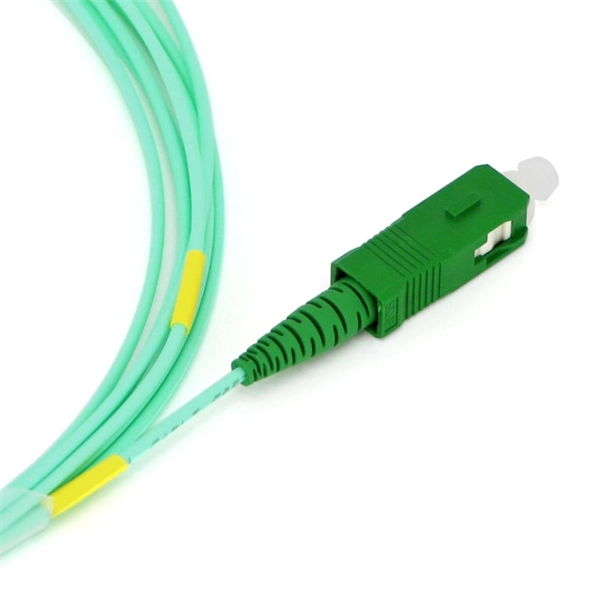
Network rack fan temperature
Maintaining 68°F–77°F (20°C–25°C) minimizes overheating risks while balancing cooling expenses. ASHRAE recommends this range for modern servers, though some operators push to 80°F (27°C) for energy savings. Maintaining the proper temperature within a server rack is crucial to...
[PDF Version]
Explore the next connection
- Selection of Dedicated Fiber Optic End-Face Inspection Instrument for Industrial Park Networks
- Reasons for optical module communication abnormalities
- What does single-mode gigabit fiber optic refer to
- Causes of cable tray falling in basement
- Double-layer cable tray for high-voltage and low-voltage circuits
- Low Temperature Resistance Solutions for Off-Grid Power Systems in Guatemala
- Bangladesh fiber optic handheld light source dynamic range 35dB
- Connectionless switch in secondary distribution box