
Differences Between Point To Point Cabling Vs Layerlogix
Search optical fiber, connectivity, cable management and network infrastructure references.
-
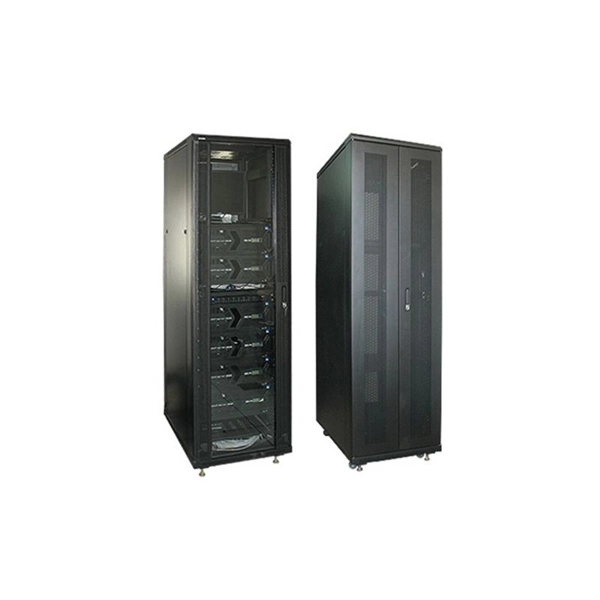
Standard dimensions and specifications of network cabling cabinets
Standard width is 19 inches (EIA-310 compliant), while outer widths vary (e. 5″) to allow space for cable management and airflow. Options include 24″, 36″, 42″, 48″, and 59″. Three key specifications — ANSI/EIA RS-310-D, IEC 60297-2, and DIN 41494 — have defined the...
[PDF Version]
-
Electric power line optical cable hanging point
2 Selection of optical cable hanging point Since the high-voltage induced electric field has strong electrical corrosion to the optical cable, the optical cable hanging point should be selected at a position with a small field strength: AT sheath ≤ 25KV/m, generally used for...
[PDF Version]
-
Network rack cabling installation price
Professional network cabling in 2026 typically costs $150-$250 per commercial Cat6 drop, $200-$350+ per harder Cat6A commercial drop, and $200-$400 for isolated finished-wall additions where minimum service-call labor dominates. Open-wall pre-wire lowers the per-drop cost...
[PDF Version]
-
Data Center Cabling Bundled 24-Core Fiber Optic Patch Cord
This in-depth guide breaks down everything you need to know about GJPFJH 24-core bundled indoor fiber cable – from its core design and technical specs to real-world deployment cases, pro tips, and why TTI Fiber is your best partner for sourcing this game-changing cable...
[PDF Version]
-
Fiber optic cable break point testing accuracy
The jumper method is the most accurate way to measure attenuation or end-to-end signal loss over a fiber optic cable. Specific installation or protocols will require stricter limits. Fiber Optic Testing Testing is used to evaluate the performance of fiber optic components...
[PDF Version]
-
Three Types of Patch Panels for Network Cabling
Based on different termination methods, FS Ethernet patch panels are primarily classified into three patch panel types: punch down, feed-through, and blank keystone. Patch panel is an important component in the structured cabling system, used as a connecting device for...
[PDF Version]
Explore the next connection
- H3C 8-port Gigabit Switch with 1 Optical Port
- Thickness requirements for cable tray columns
- Manufacturer of U-shaped steel cable tray cold aisle upgrade version
- Application Status of Fiber Optic Sensing Technology
- Underground optical cable distribution
- Fiber optic patch panel markings in low-voltage electrical rooms