
Data And Server Cabinets
Search optical fiber, connectivity, cable management and network infrastructure references.
-
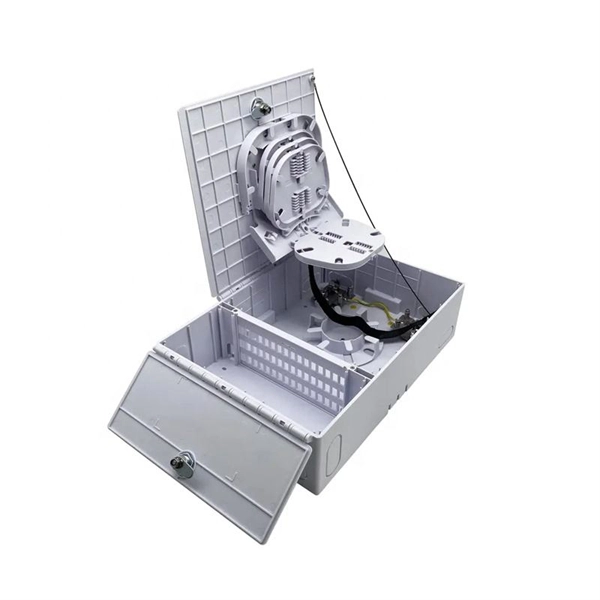
Data center server rooms are classified into several types
Main types: enterprise, cloud, colocated, modular, and hybrid; each offers different ownership, management, and scalability options. Business centers: complete control and security; cloud: flexibility, reduced costs, and remote access; colocation: connectivity and lower...
[PDF Version]
-
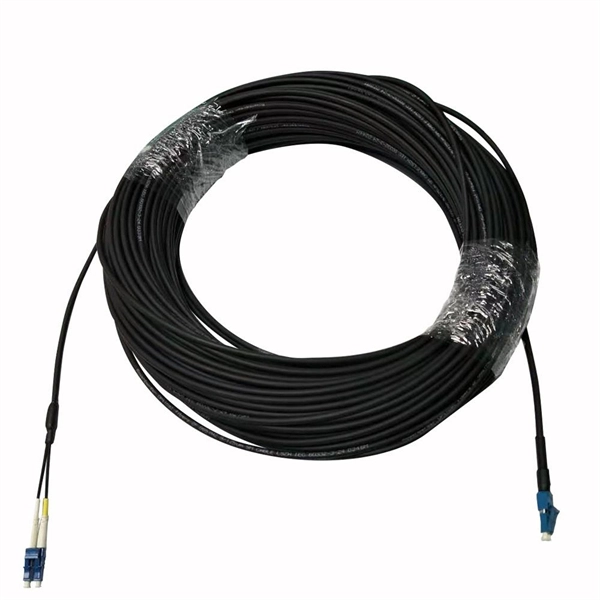
Modular server room cabinets include network cabinets
Server cabinets are ideally suited for installing (blade) servers, switches, patch panels, routers, and storage equipment. Nexpand is a premium configure-to-order server cabinet platform. A network cabinet will offer the same storage capability but be suitable for higher...
[PDF Version]
-
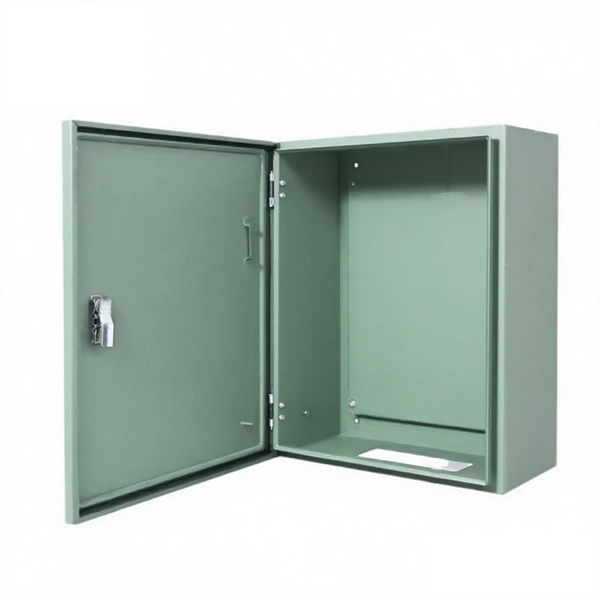
How much does it cost to weld and process server racks cabinets
Most home welding projects cost between $250 and $900, and your total depends on complexity and metal type. We offer an online calculator, Metal Fabrication Price Calculator, to help you quickly determine cost of a fabrication project. Best price in China through. Buyers...
[PDF Version]
-
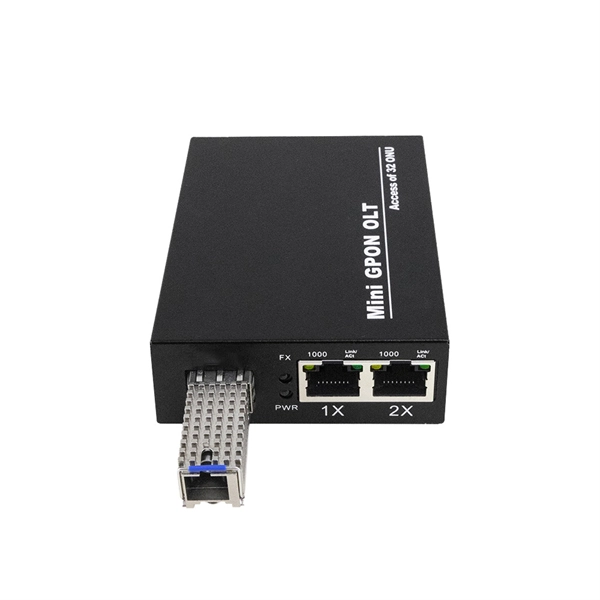
On which floor is the big data center server room located
Building a server or computer room requires detailed attention to five main design considerations: Computer or server room location is the first consideration, even before considering the layout of the room's contents. Most designers agree that, where possible, the computer...
-
Intelligent design system for power distribution cabinets includes
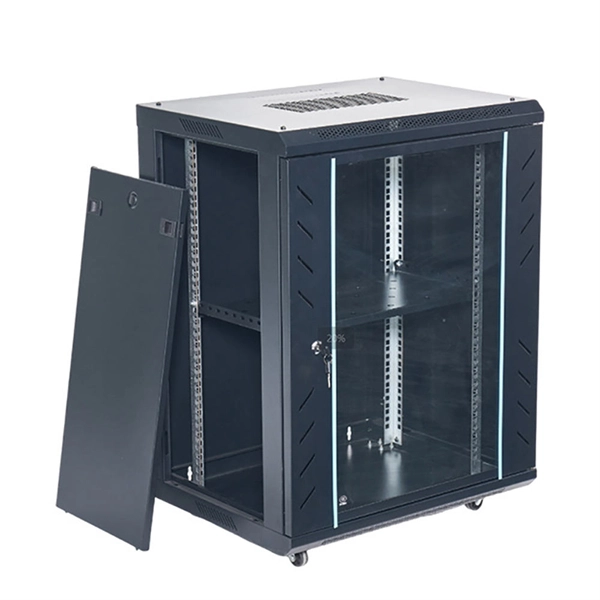
It is not just a distribution Cabinet, power inputs, outputs, power monitoring system as a whole set of integrated power distribution design, is future-oriented distribution system. In addition to distribution management also provides the ability to run cost management and...
[PDF Version]
-
Standard dimensions and specifications of network cabling cabinets
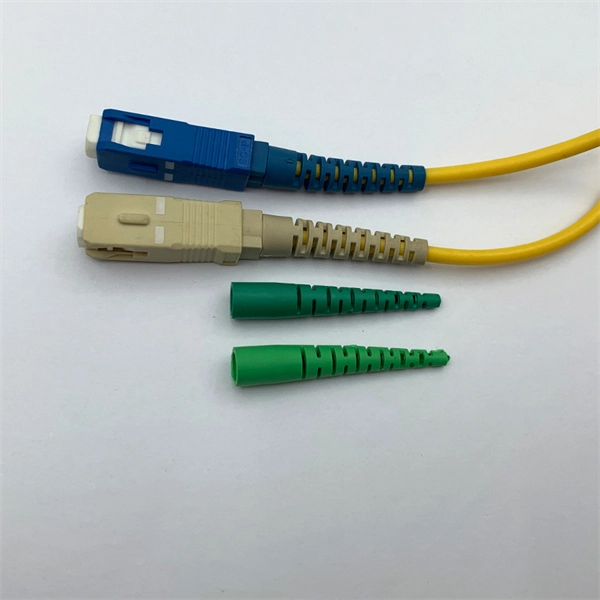
Standard width is 19 inches (EIA-310 compliant), while outer widths vary (e. 5″) to allow space for cable management and airflow. Options include 24″, 36″, 42″, 48″, and 59″. Three key specifications — ANSI/EIA RS-310-D, IEC 60297-2, and DIN 41494 — have defined the...
[PDF Version]