
Configuring Trunk Groups And Dynamic Link Aggregation
Search optical fiber, connectivity, cable management and network infrastructure references.
-
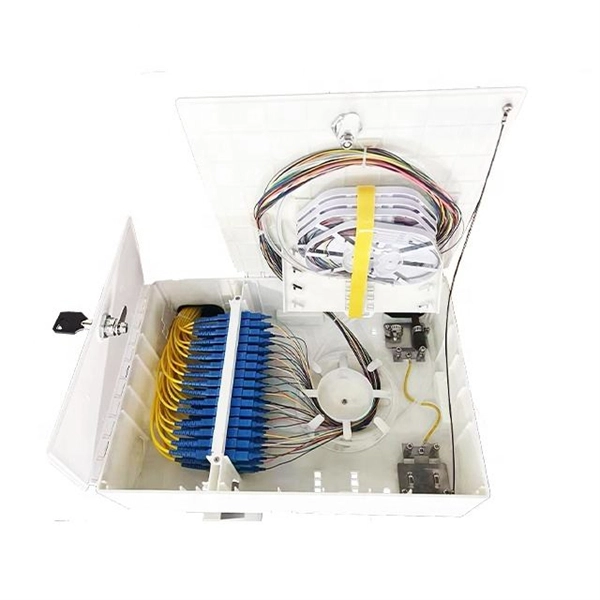
Local trunk optical cable loss standard
Multimode Fiber: Typical allowable loss is 2. 9 dB for short-distance installations (100–300 meters). To be able to judge whether a fiber optic cable plant is good, one does a insertion loss test with a light source and power meter and compares that to an estimate of what is...
[PDF Version]
-
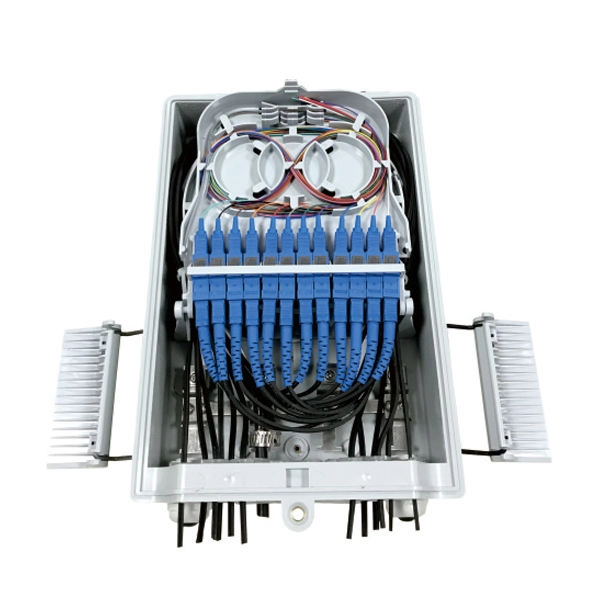
Railway communication trunk optical cable
This specification defines the construction, mechanical and optical requirements for optical trunk cable for use on the railway for telecommunication and control purposes. The cable will generally be installed in ground level troughing, although installation in duct. As an...
[PDF Version]
-
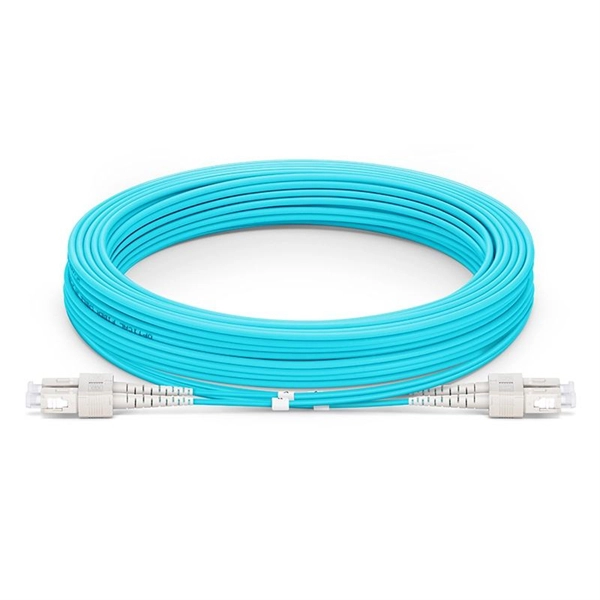
Bangladesh fiber optic handheld light source dynamic range 35dB
FOLS-103 handheld adjustable light source is newly designed fiber optic tester, which aims at fiber network installation, fiber network engineering acceptance and fiber network maintenance. Fiber Optic Pro PRO-5SM-35-VFP Details Fiber Optic Pro PRO-5SM-35-VFP OTDR New PRO...
-
Configuring Aggregation on a Managed Switch
In order to configure 2 or more ports (up to 8) to be a port aggregate, simply navigate to Switching > Monitor > Switch ports and select the target ports, then choose "Aggregate". It is recommended that you do not have the target ports physically connected to anything during...
[PDF Version]
-
Trunk Optical Cable Selection
Trunks typically feature unpinned (female) connectors to mate with pinned (male) cassettes. Polarity (Method A, B, or C) must be consistent end-to-end. Internally, the trunk. OptoTrunk Cables optimize space, simplify system architecture, improve performance and support...
[PDF Version]