
How can one identify a broken fiber optic cable?
To identify a broken fiber optic cable, start by performing a visual inspection for any physical signs of damage, such as bends, cracks, or breaks...
Search optical fiber, connectivity, cable management and network infrastructure references.
This guide provides a step-by-step troubleshooting framework focusing on Cisco Catalyst switches (notably the 9300 and 2960 series), covering error categories, CLI commands, model-specific insights, and preventive measures. Power over Ethernet (PoE) simplifies device...
[PDF Version]
Fiber Optic Troubleshooting Guide: Problems, Tools & SolutionsThis guide offers practical steps to troubleshoot fiber optic cable issues, covering common p.
[PDF Version]To identify a broken fiber optic cable, start by performing a visual inspection for any physical signs of damage, such as bends, cracks, or breaks...
There are several methods to test fiber optic cables without a tester. One method is using a visual fault locator (VFL), as mentioned earlier, to v...
Intermittent fiber optic connections can be caused by a variety of factors, including: Poorly terminated connectors or splices that result in unsta...
The methods for applying crimp terminations depend on the application and volume, and range from hand-held devices to fully automated systems. The material so far is relevant to grinding equipment in gen-eral. It is then supplemented with specific information on the wide...
[PDF Version]
Few tools are used to detect the fibre optic cables, such as Pipe Cable Locator with Sonde (PCL) or Duct road and Ground Penetrating Radar (GPR). This method is helpful for non-metallic detection such as drains, sewer pipes or ducts. The paper shows the possibilities of...
[PDF Version]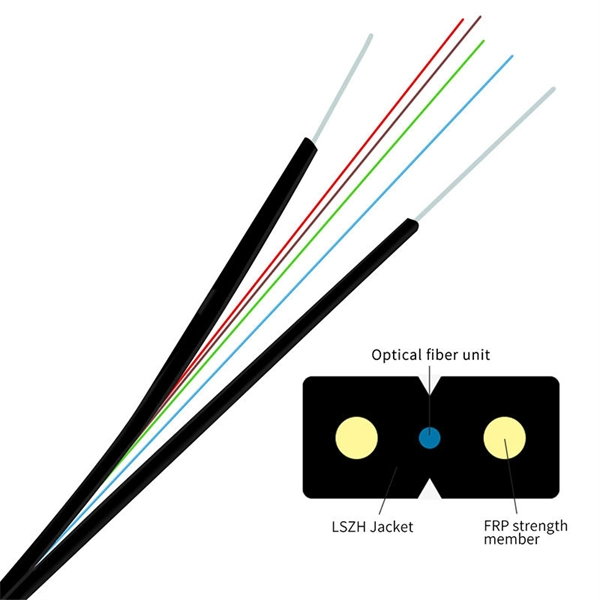
This document presents a troubleshooting guide for fiber optic cables once deployed and in regular use. It also includes a list of common fault location items. Maintenance personnel can refer to this docume.
[PDF Version]To identify a broken fiber optic cable, start by performing a visual inspection for any physical signs of damage, such as bends, cracks, or breaks...
There are several methods to test fiber optic cables without a tester. One method is using a visual fault locator (VFL), as mentioned earlier, to v...
Intermittent fiber optic connections can be caused by a variety of factors, including: Poorly terminated connectors or splices that result in unsta...
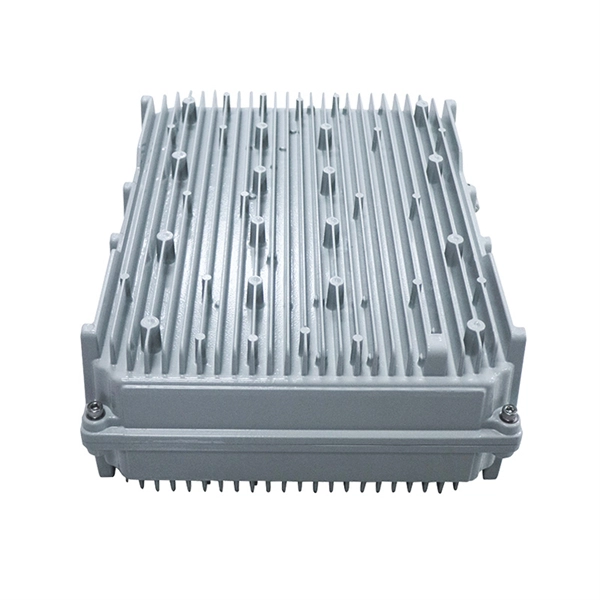
A protective relay operates by continuously monitoring electrical parameters, detecting abnormalities, making decisions, and triggering circuit breakers to isolate faulty sections. Engineering use: Relays are used on feeders, transformers, buses, motors, generators, and...
[PDF Version]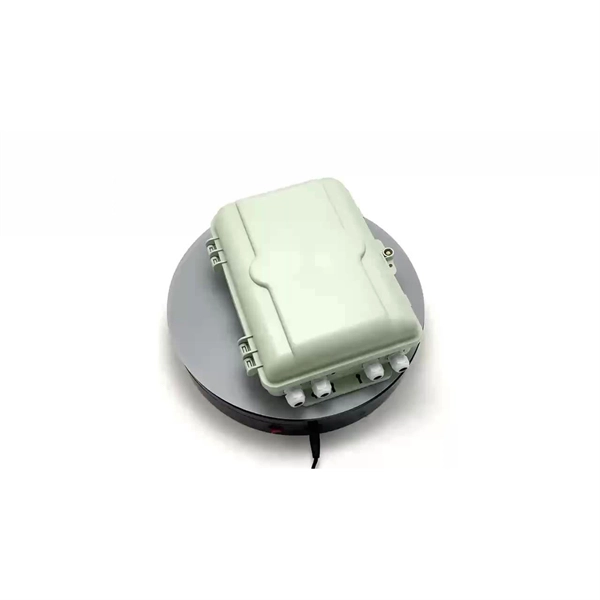
Fiber Patch Cable Troubleshooting: How to Fix Common Fiber Optic. Learn fiber patch cable troubleshooting tips for common fiber optic problems like signa.
[PDF Version]To identify a broken fiber optic cable, start by performing a visual inspection for any physical signs of damage, such as bends, cracks, or breaks...
There are several methods to test fiber optic cables without a tester. One method is using a visual fault locator (VFL), as mentioned earlier, to v...
Intermittent fiber optic connections can be caused by a variety of factors, including: Poorly terminated connectors or splices that result in unsta...
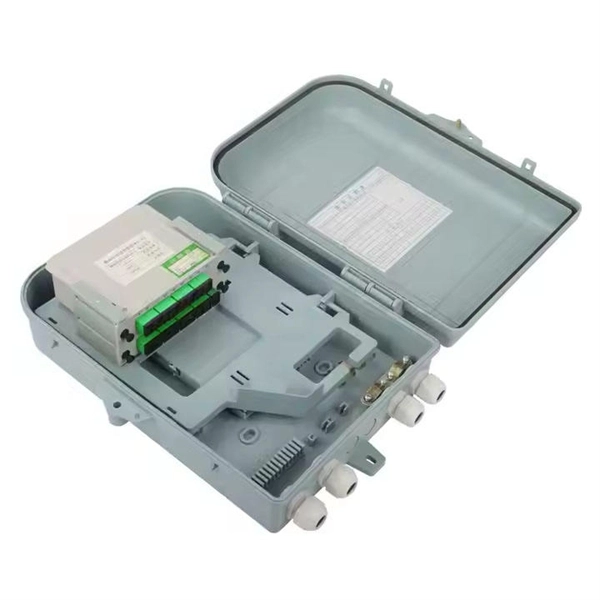
It describes three main splicing methods - de-matable connectors, mechanical splices, and fusion splices. Fusion splicing welds two fibers together using an electric arc and provides the lowest loss. Whether you're working with fiber optics, coaxial. only used in modern...
[PDF Version]Share the fiber interfaces, termination capacity, cable route and evidence required for handover.