
Class I Div 1 And 2 Group B C D Hazardous Location Electrical
Search optical fiber, connectivity, cable management and network infrastructure references.
-
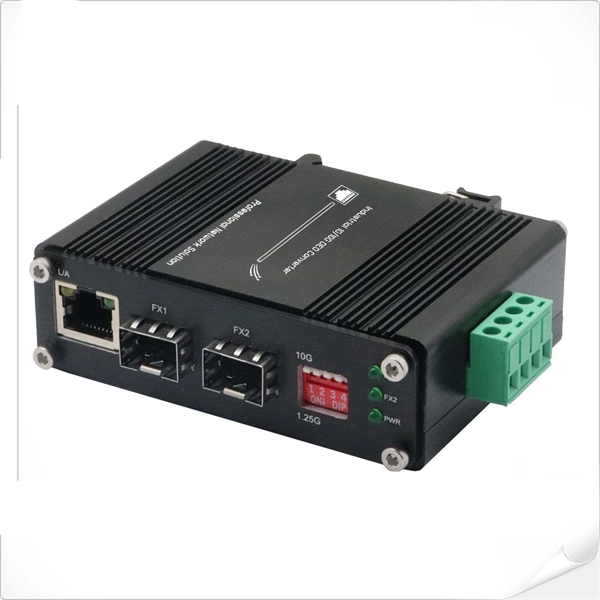
Methods for detecting the location of optical cable laying
Few tools are used to detect the fibre optic cables, such as Pipe Cable Locator with Sonde (PCL) or Duct road and Ground Penetrating Radar (GPR). This method is helpful for non-metallic detection such as drains, sewer pipes or ducts. The paper shows the possibilities of...
[PDF Version]
-
Price of Network Distribution Box Installation Location
Junction box costs range from low‑price indoor models ($10‑$60) to weatherproof units ($70‑$450), with installation averaging $100‑$300 depending on location and materials. Key cost drivers include panel amperage, indoor vs outdoor location, wiring length, and whether a full...
[PDF Version]
-
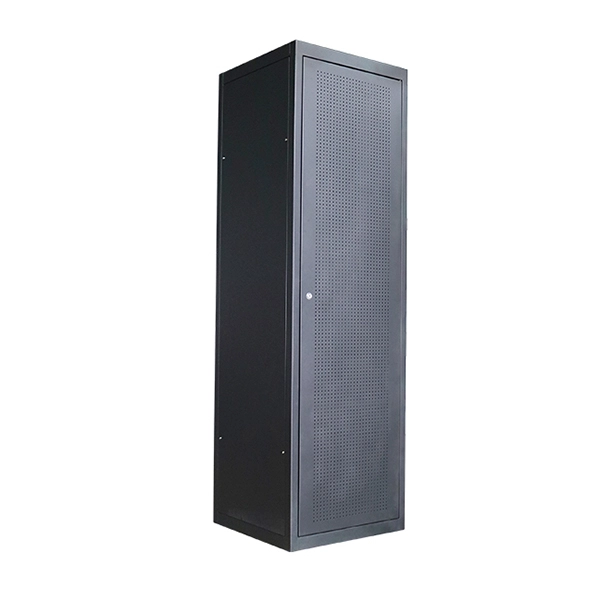
How to find the location of optical distribution boxes
To find out which fibre cabinet you are connected to you can use the FTTC checker. Fiber distribution boxes play a crucial role in network management, providing a centralized and protected access point for optical cables. Distribution boxes are especially essential for FTTH...
-
Location of Distribution Box Positions
Bottom Line Up Front: Your home's distribution box (electrical panel) is typically located in the basement, garage, utility room, or mounted outside near your electrical meter. However, when it comes to choosing the best location for a power distribution box, there are...
[PDF Version]
-
Class I High-Rise Cable Trays
Cable Trays have been permitted in the hazardous (classified) locations in the National Electrical Code for Class I (flammable vapor and gases) since the 1978 NEC and have been used extensively in chemical plants, refineries, and other types of facilities. association...