
What is the width and depth of a server rack?
The standard width for a server rack is 19 inches, the most common size for rack-mounted IT equipment. The depth of server racks can vary, typicall...
Search optical fiber, connectivity, cable management and network infrastructure references.
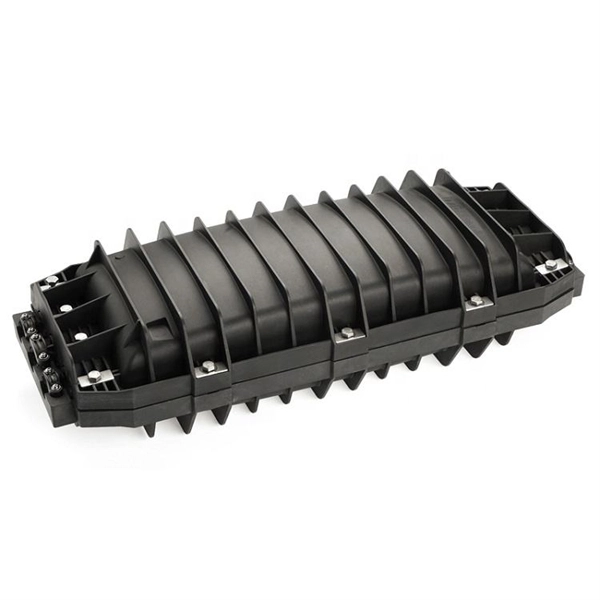
The right Network Cabinet size is determined by three key factors: total rack units (U) required, equipment depth, and future expansion capacity. In most business environments, choosing a cabinet with at least 20–30% extra rack space prevents overcrowding and extends system...
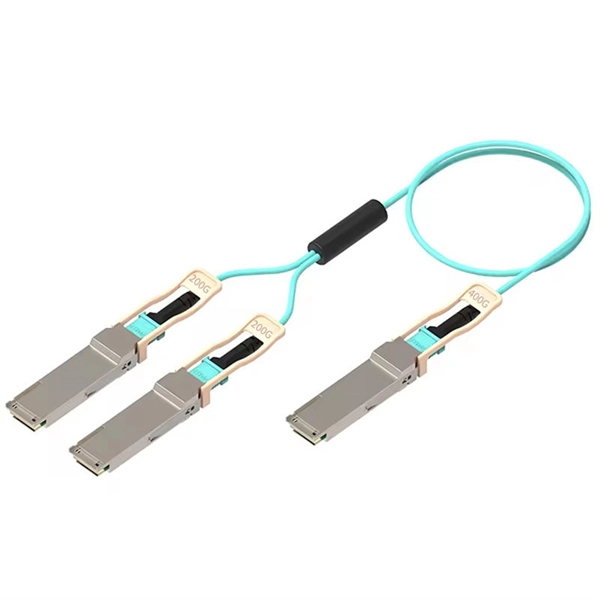
Understanding Rack Units (U) in Server Racks [July 2026]One rack unit equals 1.75 inches (44.45 mm). This means a 2U server is 3.5 inches tall, a 4U device.
[PDF Version]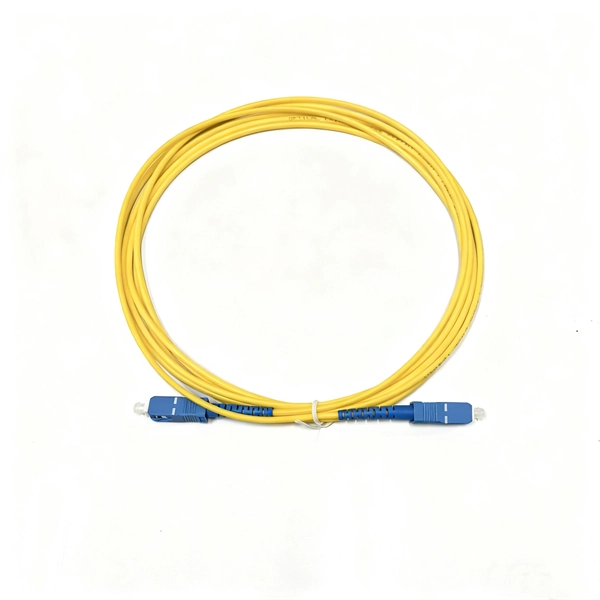
Data Center Server Rack Guide (2026): Types, Design, Learn everything about data center server racks—definitions, rack types, airflow design, power integra.
[PDF Version]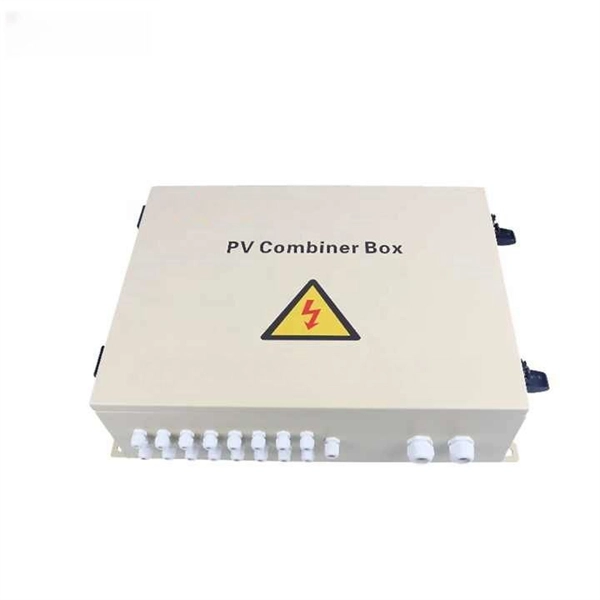
Server Rack Sizes: The Complete Guide to Standard, Below is a comprehensive, fully detailed guide covering all standard server rack sizes, form factors, he.
[PDF Version]The standard width for a server rack is 19 inches, the most common size for rack-mounted IT equipment. The depth of server racks can vary, typicall...
Server rack cabinets come in various sizes, but the standard width is usually 19 inches. The height is measured in rack units (U), typically 24U, 4...
A standard rack unit, abbreviated as "U," is 1.75 inches (44.45 mm) tall. This unit of measurement is used to describe the height of equipment inte...
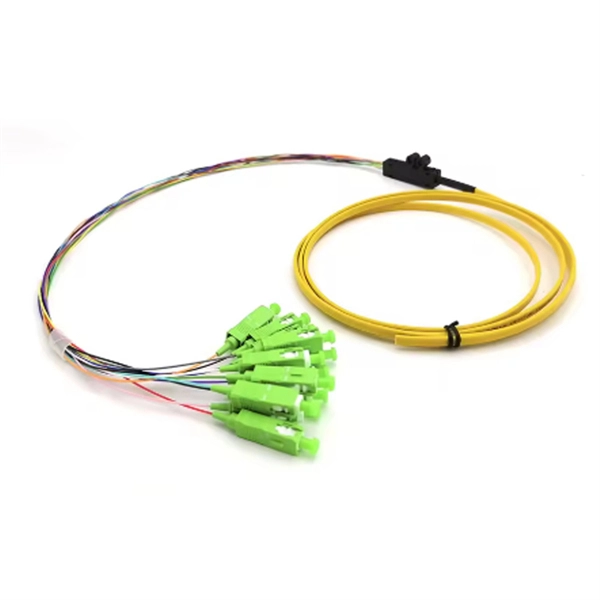
This guide explains how to make 90° bends, vertical bends, tees, and offsets in wire mesh cable trays safely and professionally. Horizontal 90° Bend (Flat Bend) 2. The mechanical and electrical characteristics, tests, certifications, overall quality management...
[PDF Version]
You can buy a manufactured 90 degree bend or make one on a cable tray bending machine but in this video I show you how to make one using a metal bar. Students trading aid on how best to put an internal 90 degrees bend in steel cable tray. When a wire cable tray is cut, the...
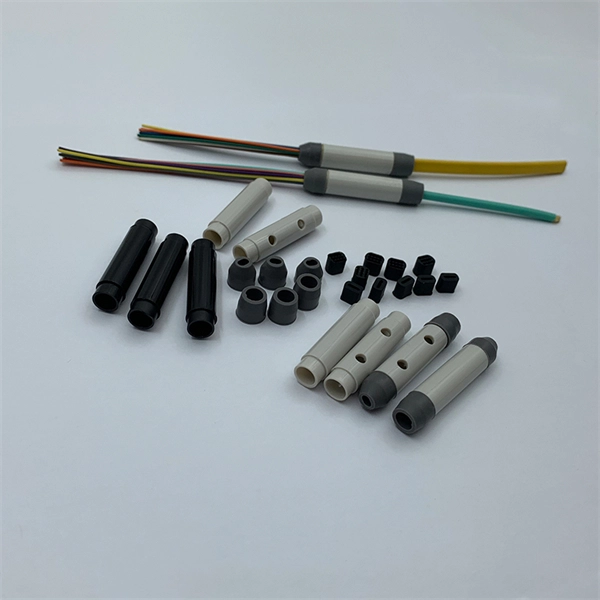
For such cables, we recommend using at least a 1. It's important to consider not only the rigidity of the jacket but also the breakout point of the assembly, where the strands exit the jacket and are encased in. Premise innerduct is a flexible, non-metallic, corrugated...
Share the fiber interfaces, termination capacity, cable route and evidence required for handover.