
Fiber connection and distribution references
The Fiber Optic Association
Drop optical cables can be without connectors or with optical connectors on one or both ends (pre-terminated or “plug & play” solution). All of these cables are characterized by small dimensions, light
Fiber cable termination
A fanout kit is a set of empty jackets designed to protect fragile tight-buffered strands of fiber from a cable. This allows the individual fibers to be terminated without splicing, and without needing a protective enclosure such as a splicebox. This is normally an option with fiber distribution cable, or sometimes loose-buffer or ribbon cable, because these types of cable contain multiple strands that are designed for a permanent term
Fiber Optic Cable vs Patch Cord vs Pigtail – Complete
When you build or upgrade a fiber network, the same four words pop up everywhere— fiber optic (bare fiber), pigtail, patch cord, optical cable. They''re
Fiber Optic Drop Cable –Types, Structure & FTTH Applications
Learn what fiber optic drop cable is, its main types, structures, and FTTH applications. Compare indoor, outdoor, flat, and aerial drop cables for your project.
The Difference Between Fiber Pigtails and Fiber Optic Cables
Explore the differences between fiber pigtails and fiber optic cables in this article. Learn how they are used and distinguished, and discover the applications and testing methods for each.
Terminating and crimping for fiber optics: methods and tips
If it is a multi-fiber cable, each of the component fibers can be connected to a separate pigtail, and hence to a separate connector. An alternative method is to use a ''fanout kit'', also known
The FOA Reference For Fiber Optics
Connectors can be attached to the 900 micron buffered fibers in distribution cables, but the termination is not as rugged as those made to jacketed cables, so they should be placed in patch panels or
Optical fiber lan cable,Pigtails,Patch Cords,And Optical Cables
The fiber optic connector, splice point between pigtail and cable, and the pigtail''s exposed fiber are all vulnerable to environmental factors-they cannot be left unprotected.
Everything you need to know about fiber optic termination
Multimode connectors are usually installed in the field on the cables after pulling, while singlemode connectors are usually installed by splicing a factory-made "pigtail" onto the fiber.
Optical Fiber Drop Cable Explained: Type, Application & FTTH
Discover optical fiber drop cables for FTTH networks: types (indoor/outdoor, figure-8, duct), applications in homes/enterprises, and key features like LSZH sheaths & FRP reinforcement.
Fiber Optic Installation Process 2026 Guide | ZION Communication
Fiber Optic Installation Process: Complete 2026 Guide A practical, engineer-friendly guide to planning, installing, testing, and maintaining modern fiber optic networks for FTTH, FTTR,
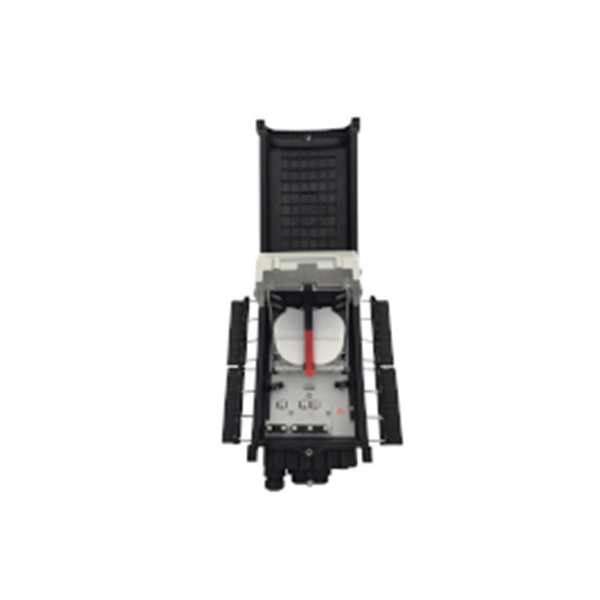
12 Fiber Optic Terminal Box / Digital Video Terminals, 12 Fiber Optic
Dielectric strength: between cable terminals and metal components and fiber metal reinforced core fiber optic cable between the metal components, fiber optic cable between the metal components and
Fiber Optic Products Supplier & Manufacturer
Our optical communication connectivity products designed to help you enable your communication networks. All the products are rigorously tested for performance and reliability, ensuring that every
How to Identify & Prevent Optical Fiber Cable Damage
Understanding the visual signs of fiber damage, knowing how to test them, and applying proper maintenance methods can dramatically reduce downtime and improve network reliability. This
Hardware for ADSS Cable
ADSS dead-end fitting use: The dead-end fitting is mainly used for fixing and anchoring overhead self-supporting ADSS optical cable lines. It is generally installed in terminal towers, tight-line tension
Fiber Optic Cable for Secure Surveillance Systems
This is where a fiber link becomes more practical. Outdoor fiber cable can be used for the main security backbone. ADSS cable is suitable when the route needs aerial installation.
A must buy in 25 years! a-88s fully automatic optical fiber
The latest arrival a-88s fully automatic optical fiber fusion splicer in 25 years supports full-scenario fusion splicing of drop fiber and trunk optical cable. it has a built-in hot fusion cutter and
White Paper: Troubleshooting Fiber
After permanent link testing, which doesn''t include the fiber jumpers and is considered best practice for new installations, subsequent channel testing might