
Fiber connection and distribution references
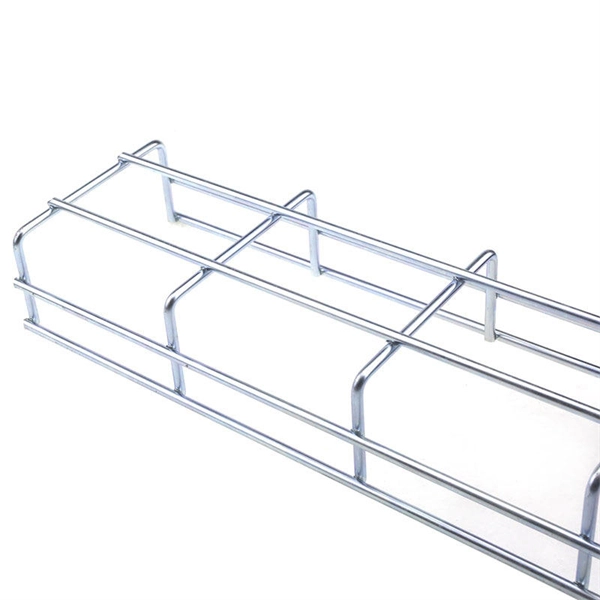
Decoding Cable Tray Support Structures: Tips and Insights
Discover efficient cable tray support structures for optimal cable management. Learn about hanger, wall-mounted, and Unistrut systems for safer
Ensuring Structural Stability in Cable Tray Systems
Learn how to ensure cable tray structural stability with design, installation, and maintenance tips to prevent downtime, accidents, and system
A Guide to Installing and Supporting Electrical Cable Trays
This guide covers the critical steps, from selecting the right electrical cable tray and performing accurate cable fill calculations to managing a safe cable pull through
Cable Tray Support Design Mistakes to Avoid
Learn how cable tray support systems impact safety and stability. Avoid common design mistakes and improve installation performance.
Cable Tray Technical Guide A practical guide to product selection and
In designing supports for a cable tray system, consideration should be given to the loads associated with future cable additions and any additional loading that may be applied to the cable tray system (e.g.,
Guide to cable support systems
The systems are suspended from the ceiling with threaded rods, stand-off brackets allow raised floor mounting of cable trays, ladders and mesh cable trays. The universal systems comprise ceiling
The Impact of Unstable Cable Tray Hanger and Bracket Installation
Learn how unstable cable tray hanger and bracket installation affects system stability, safety, and maintenance costs, and discover prevention tips.
LEGRAND CABLE TRAYS TECHNICAL GUIDE
Not all cable trays are equivalent. The mechanical and electrical characteristics, tests, certifications, overall quality management, recommendations mentioned in this technical guide only apply to our
Cable support system
The vertical straight connector can be used to connect cable trays with the side height 60mm. Mitre joints that rise and fall up to an angle of 60° can also be realised with this connector.
IEC Standard for Cable Tray: Complete Technical Guide
It applies to cable trays made of steel, stainless steel, aluminum, or other metallic materials. The standard ensures these systems can handle the
Examining the Tray Cables market growth by market size and
The Booming Tray Cables Market: A Comprehensive Analysis Market Overview Tray cables are multi-conductor electrical cables designed for use in tray, conduit, or raceway
How to Produce Cable Trays: A Comprehensive Guide
Discover the detailed process on how to produce cable trays, covering everything from material selection to assembly and surface treatment.
Performance-based optimum seismic design of cable tray system
The seismic performance levels of cable tray systems are presented according to current seismic design codes. A performance-based optimum seismic design procedure for cable tray
Ensuring Structural Stability in Cable Tray Systems
Cable tray structures are ubiquitous in modern infrastructure, supporting critical electrical and communication systems. Ensuring the structural stability of these systems is paramount to
Cable Trays
Cable trays are systems that distribute bundles of insulated electrical cables from power supplies to electrical equipment, consisting of metallic trays supported from structures like walls and ceilings.
February 2025 Flashcards in Roshann KN''s MCQs: UPSC
Study February 2025 flashcards with questions like: Which of the following is not a common characteristic of Ultra-Processed Foods (UPFs)?
Document DICOS
A channel cable tray can be added to an existing cable tray system using the method illustrated in Figure 3-89 to add approved cabling systems. Refer to the loading information of the existing cable
Cable Tray Technical Guide A practical guide to product selection and
Cable Tray Technical Guide A practical guide to product selection and installation This guide for engineers and installers has been developed by ABB as a practical reference regarding cable tray
Related Video Reference
This video was associated with the source search result. Verify technical details against current product documentation and project requirements.