
Cable Tray And Trunking Wall Mounted Installation
Search optical fiber, connectivity, cable management and network infrastructure references.
-
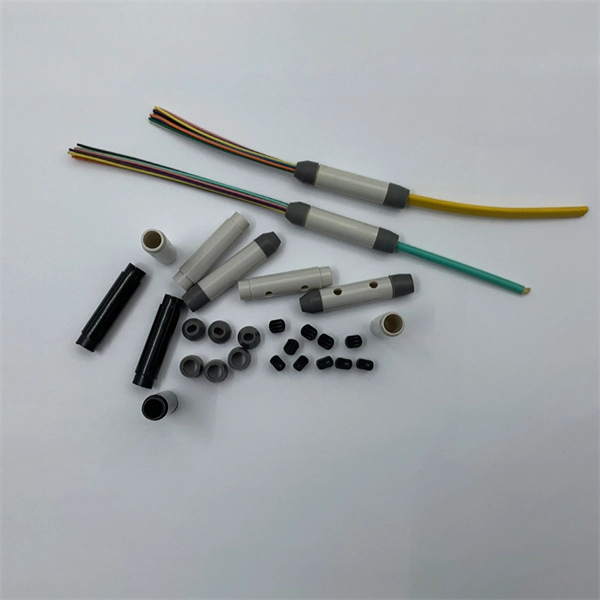
Metal cable tray wall thickness
Light-duty applications, such as LAN or control wiring in commercial spaces, may require trays with 1. The thickness of the tray depends on how frequently it is supported. In practice, cable tray dimensions are a system of interrelated measurements —width, depth, length, and...
[PDF Version]
-
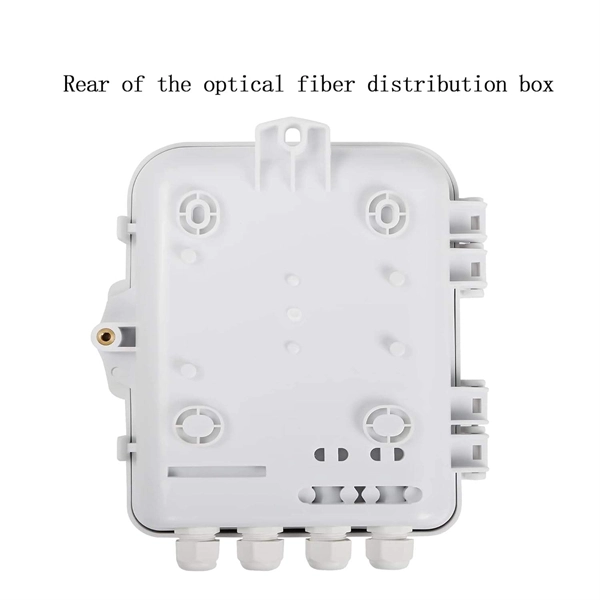
Electrical cable tray sleeves on the wall
This guide covers top wall-mounted cable trays and kits designed to route power and data cables behind walls or along the wall, keeping living spaces clean and organized. Each product below includes key features to help you compare options across materials, installation. This...
[PDF Version]
-
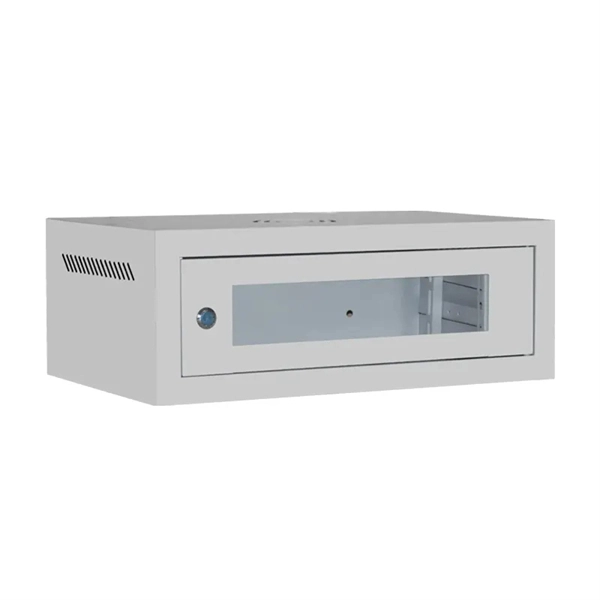
Cable tray wall penetration sealing must meet the following requirements
Cable trays and busways at floor level or at slab penetrations shall have a waterstop no less than 50 mm in height. Sealing shall be tight and reliable, without visible cracks or voids. For large. Cables, cable bundles, conduits, bundles of conduits, empty pipes, cable trays...
[PDF Version]
-
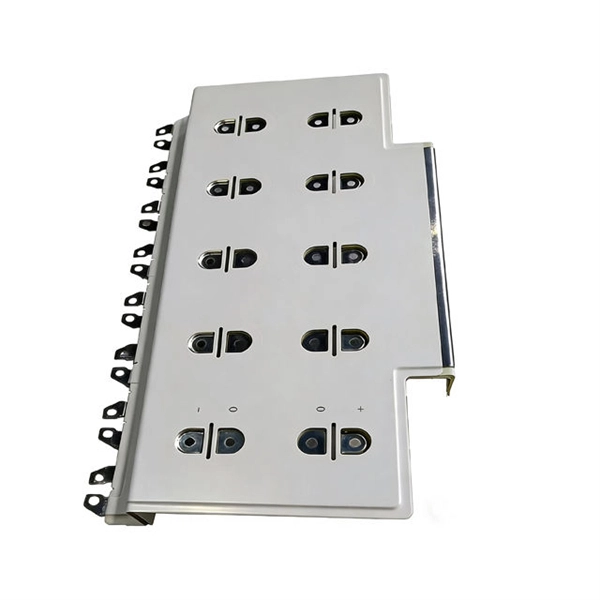
Stainless Steel Cable Tray Wall Mounting Installation
At SV Electricals, we have crafted this guide to show you how to install cable tray on wall step by step. This guide will walk you through the step-by-step process of installing a stainless steel cable tray, ensuring that your electrical infrastructure is both. Cable trays...
[PDF Version]
-
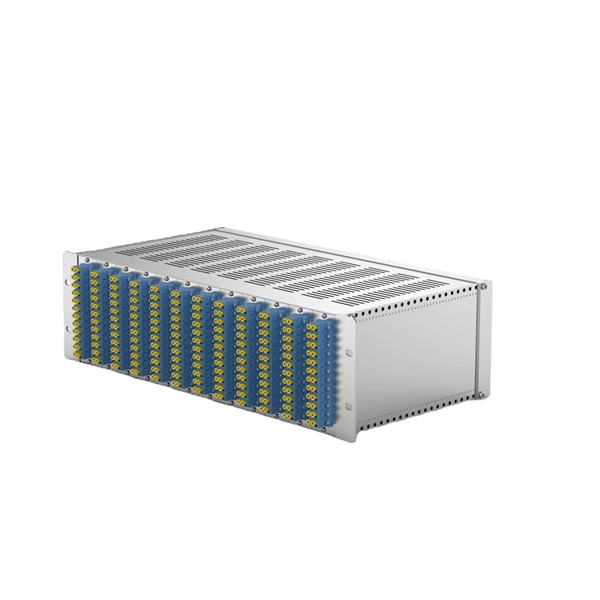
Vertical cable tray busbar trunking
Busbar vs Cable Tray: Power Distribution Explained | FuspanDiscover the differences between busbar systems and cable trays for efficient power distribution.
[PDF Version]
-
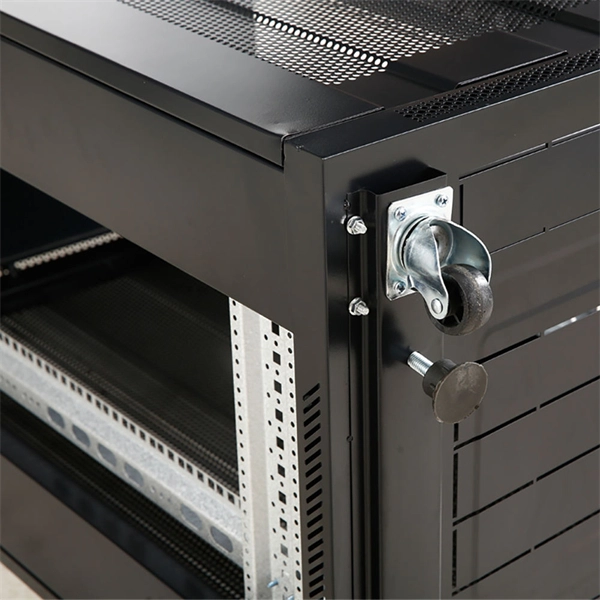
Angle of cable tray against the wall
Guide to cable support systems First, the wind pressure applied horizontally to the side wall of the cable tray is calculated. The pressure is calculated b.
[PDF Version]