
Cable Ladder Cable Tray Weight Calculation Guide
Search optical fiber, connectivity, cable management and network infrastructure references.
-
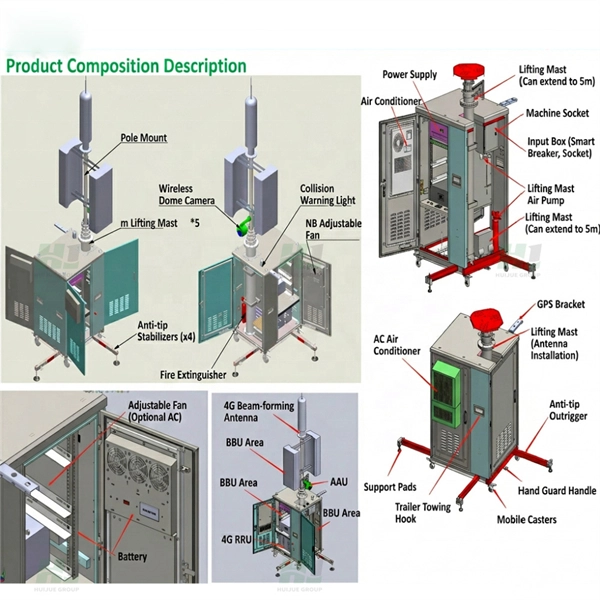
Vertical cable tray modeling and quantity calculation
Select your tray type (ladder, ventilated trough, solid bottom, or channel), enter the tray width and usable depth, then add cables by size and quantity. The calculator computes the total cable cross-sectional area and compares it against the applicable NEC. Our free...
[PDF Version]
-
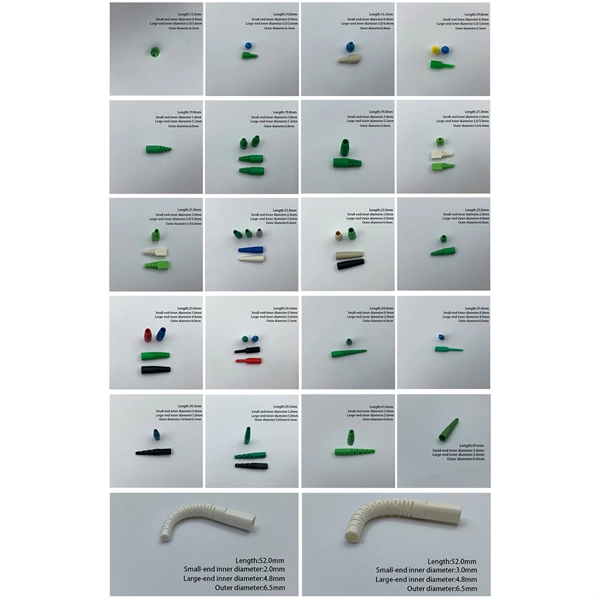
Cable tray ladder type trough material
The Ladder Tray features light, rugged, tubular steel construction. It is designed for mechanical support and strain relief in long runs of cable and creates a smooth gradual bend for cable. Each cable tray type performs a different function and comes in various materials...
[PDF Version]
-
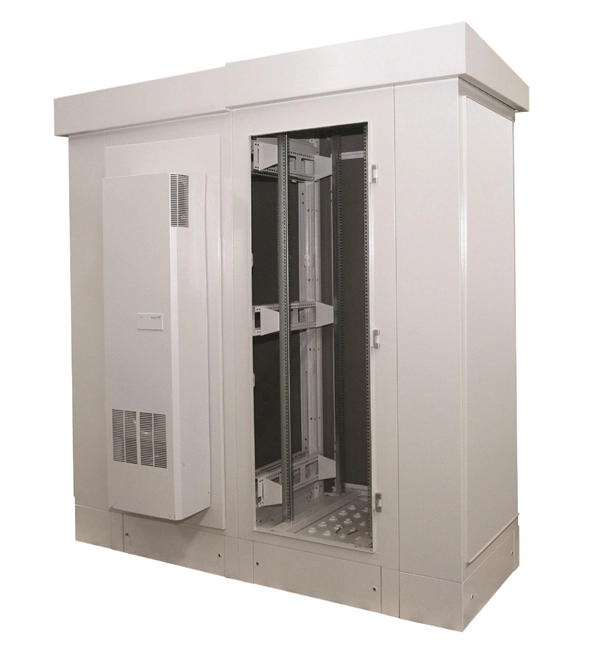
Double-layer overhead ladder type cable tray
The ladder-type cable tray is designed with two long side rails that are connected by evenly spaced rungs, resembling a ladder. This structure is especially useful for supporting heavy-duty cables over long distances. Explore our full collection of Metallic Ladder 3D...
[PDF Version]
-
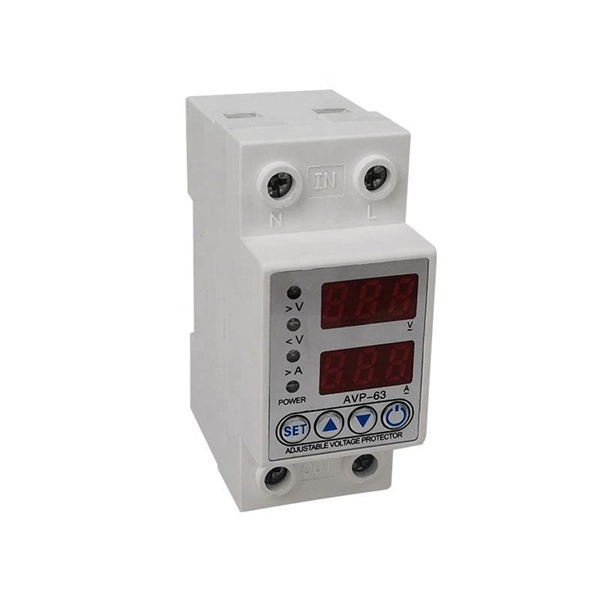
Calculation of cable tray cross-sectional area
Calculate individual cable areas — Determine the overall outside diameter of each cable including insulation and jacket. Follow these simple steps: Define Tray Dimensions: Enter the width and depth of your planned cable tray (in mm or inches). NEC Article 392 limits fill...
-
8-meter-long cable tray weight
This tool estimates tray self-weight from material density and an approximate metal volume. For solid and perforated trays, it treats the tray as a formed sheet: Developed sheet width per meter: Dev = W + 2H + 2R Metal volume per meter: V = Dev × t × 1 × (1 −. Estimate cable...
[PDF Version]
-
How to calculate the weight per meter of a mesh cable tray
This tool estimates tray self-weight from material density and an approximate metal volume. For solid and perforated trays, it treats the tray as a formed sheet: Developed sheet width per meter: Dev = W + 2H + 2R Metal volume per meter: V = Dev × t × 1 × (1 − Open%) Weight...
[PDF Version]
Explore the next connection
- How to wire the power distribution box Power 4
- Two busbar connectors put together
- Paraguayan Raman Amplifier 2 5G
- Georgian Standard Distribution Box Specifications
- EPON uses technology to achieve bidirectional operation on a single fiber
- Optical Module and Network Speed
- High-efficiency UPS system energy-saving type for FTTH use
- Fiber Optic Sensor Electrical Diagram