
Busbar Vs Cable Tray Power Distribution Explained
Search optical fiber, connectivity, cable management and network infrastructure references.
-
Technical Requirements for Power Distribution Cable Trays
The International Electrotechnical Commission (IEC) provides detailed guidelines for cable tray systems under IEC 61537. This standard outlines the construction requirements, testing methods, and performance parameters for cable trays and related support systems. Addresses...
-
Photovoltaic Power Generation Dedicated Cable Tray
GI Cable Trays: Cost-effective and suitable for indoor or semi-outdoor areas. Choosing the right solar cable tray for photovoltaic energy is important if you want a stable system, reduced maintenance, and long-term safety. In this guide, I explain the real challenges found in...
[PDF Version]
-
Intelligent Small Busbar Power Distribution Monitoring Mode
Intelligent Busbar is an end-of-row power distribution device designed for high-density data centers, replacing traditional row head cabinet and cable distribution methods, with advantages of small footprint, flexible expansion, and intelligent monitoring. The product...
[PDF Version]
-
Price of grounding busbar inside cable tray
A grounding busbar is used in settings when you need or wish to have a common grounding – or earthing – point within your power distribution network. One of the major advantages of a brass, aluminum or coppe.
-
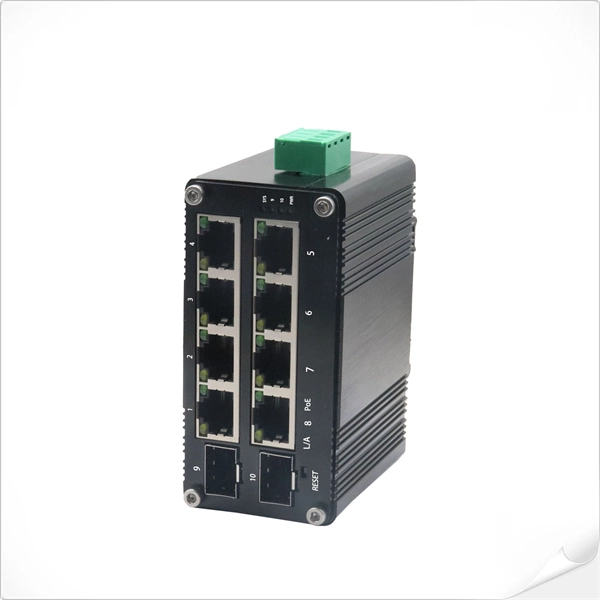
How to calculate the cable trays and busbars in a power distribution room
This step‑by‑step approach helps you determine width, depth, support spacing, and allowable load with confidence. Plan 20–30% spare capacity for growth. Remember separation rules for EMI. Total Cable Area (mm²) = Sum of cross-sectional areas of all cables placed in the tray...
[PDF Version]
-
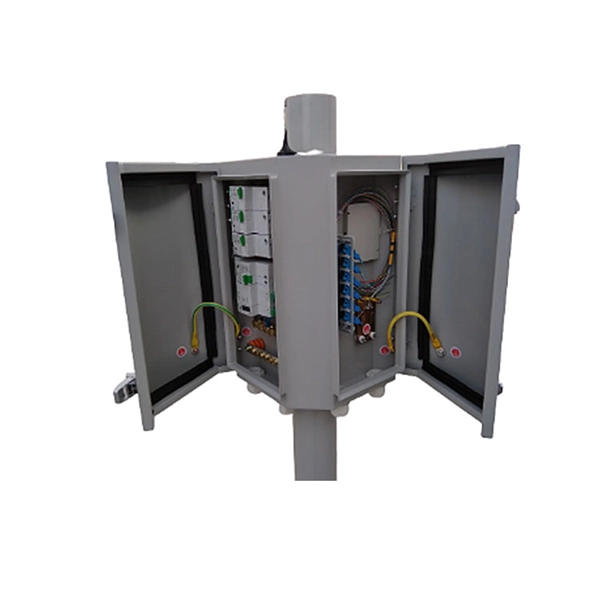
What size cable is used in a high-voltage power distribution box
Quickly calculate the correct high-voltage cable size based on load current, system voltage, and length. Ensure safe, efficient HV cable selection per IEC/NEC standards. 6kV, 11kV, 22kV, or 33kV electrical systems. Enter fault current/short circuit current and fault clearance...
[PDF Version]
-
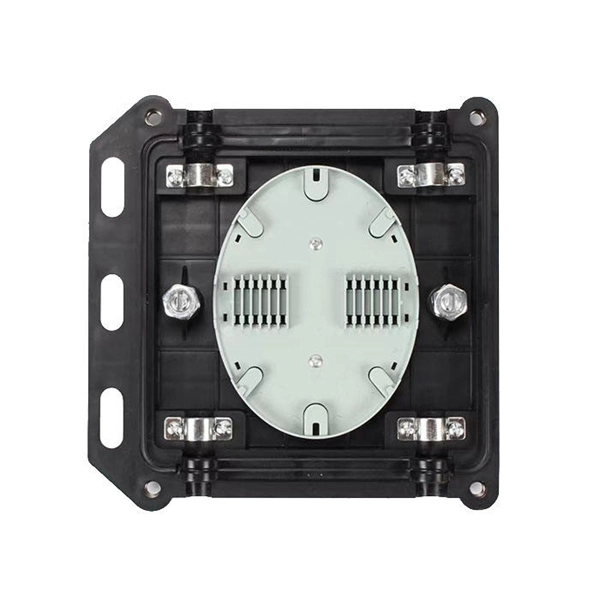
Power cable tray control cable tray spacing
Spacing Standards: Electrical (power) and instrumentation (signal/control) cable trays should maintain a minimum vertical and horizontal distance. The spacing between trays, whether horizontal or vertical, depends on various factors like cable type, environment, and tray...
Explore the next connection
- Mongolian cable tray manufacturer
- How to place twisted-pair cable trays
- Determining if an optical cable contains fiber optic cables
- Prices of OM4 and OM3 optical cables
- Can fiber optic cables not be folded
- 654e Optical Cable Splice Loss
- Optical transmitter jitter
- Explosion-proof electrical box putty
- Promoting the Internet Energy Plan