
Beyond The Finish Line Why Safety During
Search optical fiber, connectivity, cable management and network infrastructure references.
-
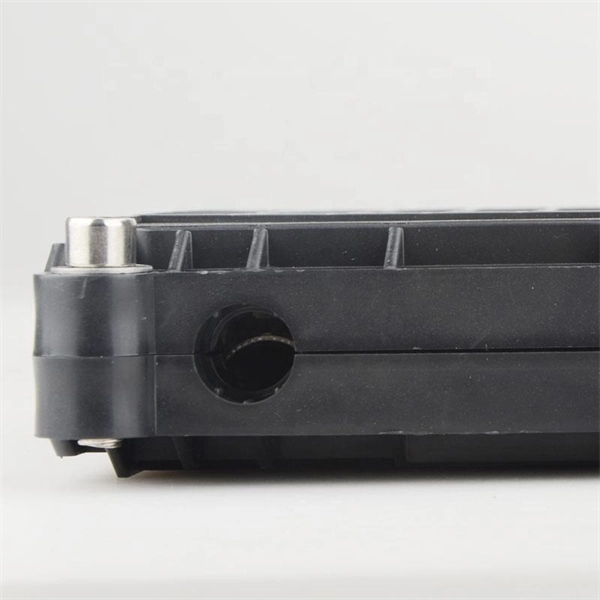
Fiber optic splice closures can protect line safety
Fiber optic splice closures keep your network safe from water, dirt, and harm. Pick strong materials and tight seals to keep signals clear. It is an essential component that provides protection and organization for fiber optic splices, ensuring the integrity and reliability...
-
Safety Measures for Cable Tray and Cable Laying Construction
- Obtain PTW before the start of the activity. - Hand tools and equipment are placed at desired locations that do not interfere with the working area. - The activity shall be properly supervised by a. Cable laying standards are essential to ensure the safety, stability, and...
[PDF Version]
-
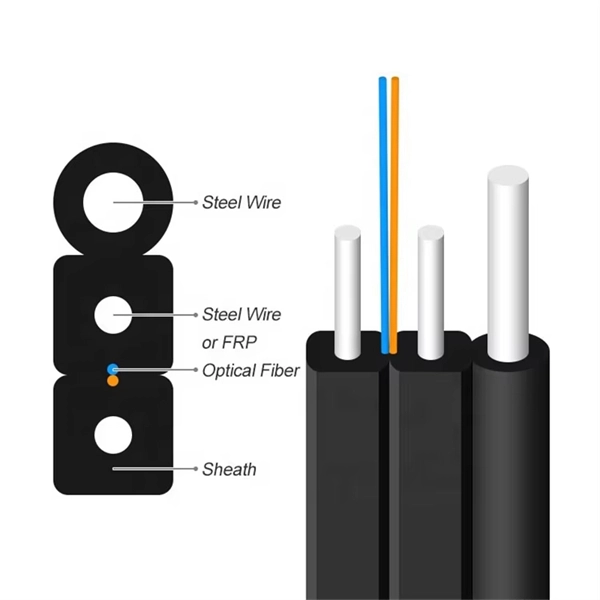
Why are optical cable sheaths waterproof
Hydrophobic Coatings: Applied to cable exteriors, these coatings repel water, preventing moisture from adhering to the surface. Usually there are 4 waterproof barriers: Outer sheath, metal tape, water blocking rope and filling compound. It resists water entry while remaining...
-

Why do patch panels use flexible core wire boards
Each panel supports T568A and T568B wiring standards, offering flexibility for installers. For high-speed, long-distance transmission, fiber patch panels are used. They manage fiber optic cables with connectors like SC, LC, and ST, ensuring safe cable routing and protection...
[PDF Version]
-
Three-stage line relay protection
Three-stage over-current protection is the most typical over-current protection of power lines. It includes transient rapid-break over-current protection (stage I protection), time-bound rapid-break over-current protection (stage II protection), and definite time. Three-Step...
[PDF Version]
-
Costa Rica Distribution Line
The concept of customer service is very important in Costa Rica. TV (both local and cable), radio, print and billboard advertising, and discounting are widely accepted commercial practices. Distribution ch.