
Benin Non Standard Explosion Proof Distribution Box
Search optical fiber, connectivity, cable management and network infrastructure references.
-
Standard wiring for copper busbars in household electrical distribution boxes
Practice good wiring: secure grounding, neat cable management, proper insulation, and correct wire gauge and breaker size. Include protection devices like breakers, fuses, and surge protectors—each circuit should have its own protection. Comply with standards: Follow NEC...
[PDF Version]
-
Standard length of jumper wire in distribution box
Bare conductor jumper wires longer than 12. 50″) should comply with minimum electrical clearance. This paper presents ten essential rules for effectively attaching and routing jumper wires on circuit board assemblies, ensuring they are secure, or anized, and s, from planned...
[PDF Version]
-
Standard distribution box wall thickness
According to national standards, the wall thickness of the low-voltage distribution box should not be less than 1. Typical wall-mount enclosure sizes often range from about 200 × 200 × 120 mm up to 800 × 600 × 300 mm. Freestanding cabinets commonly range from about 1600–2200...
[PDF Version]
-
Standard requirements for the thickness of electrical distribution boxes in household applications
Introducing the BS EN 60670-23:2008+A11:2023, the definitive standard for boxes and enclosures for electrical accessories for household and similar fixed electrical installations. This comprehensive guide provides particular requirements for floor boxes and enclosures...
[PDF Version]
-
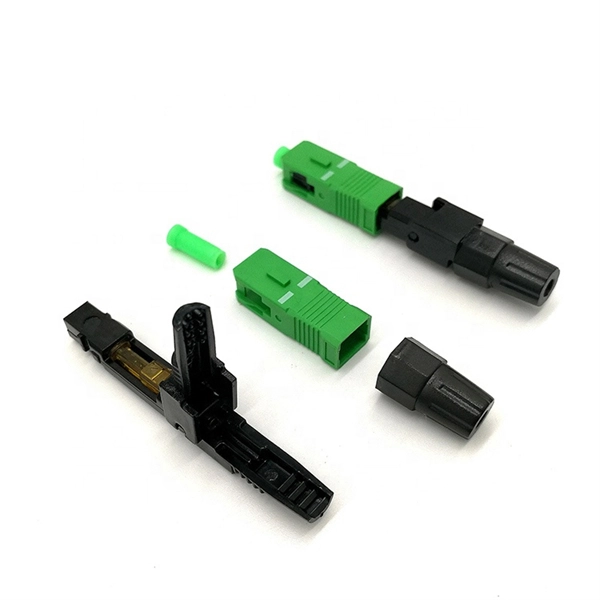
Protection level of standard compressor electrical distribution box
Defined by the IEC 60529 standard, IP ratings tell you exactly how well a box guards against solids (like dust) and liquids (like water). 32 mandates branch-circuit conductors be sized at 125% of the compressor motor's full-load current (FLC). Always: Example: A 20A FLC...
[PDF Version]