
Basic Principles Of Fiber Optics Series Attenuation
Search optical fiber, connectivity, cable management and network infrastructure references.
-
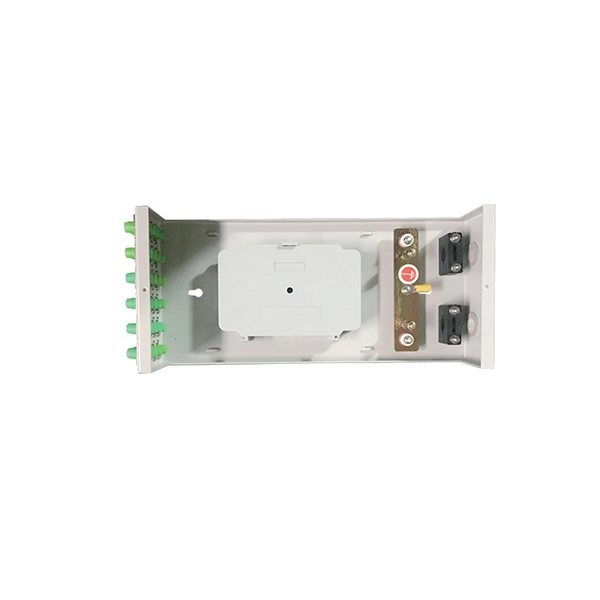
Introduction to the Basic Principles of Fiber Optic Circulators
An optical circulator is a three- or four-port designed such that entering any port exits from the next. This means that if light enters port 1 it is emitted from port 2, but if some of the emitted light is reflected back to the circulator, it does not come out of port 1 but...
-
Principles of Fiber Optic Transmission in Telecommunications
Fiber optic cables transmit data by converting electrical signals into optical signals, using a process called signal modulation. Modulation techniques, such as amplitude modulation (AM),frequency modulation (FM), or phase modulation (PM), are applied to encode data onto the...
[PDF Version]
-
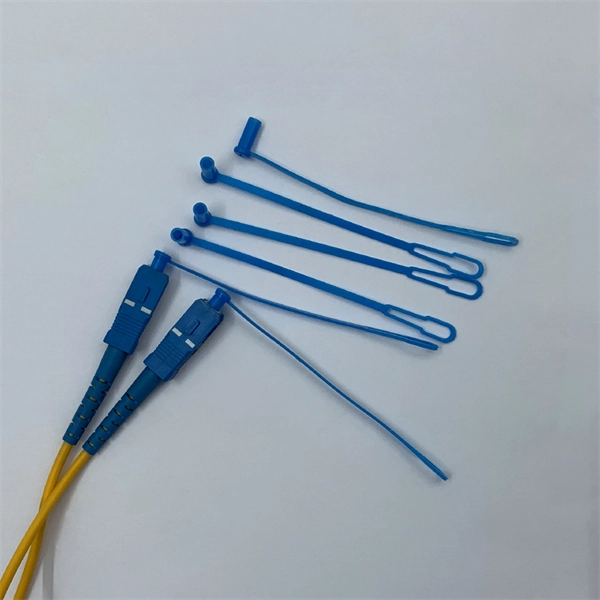
Experimental Phenomena of Optical Fiber Communication Principles
It traces OFC's development into a global communication backbone and elucidates key principles like total internal reflection, modal dispersion, and attenuation governing light propagation. The paper details OFC system components such as light sources, fibers . To meet demand...
[PDF Version]
-
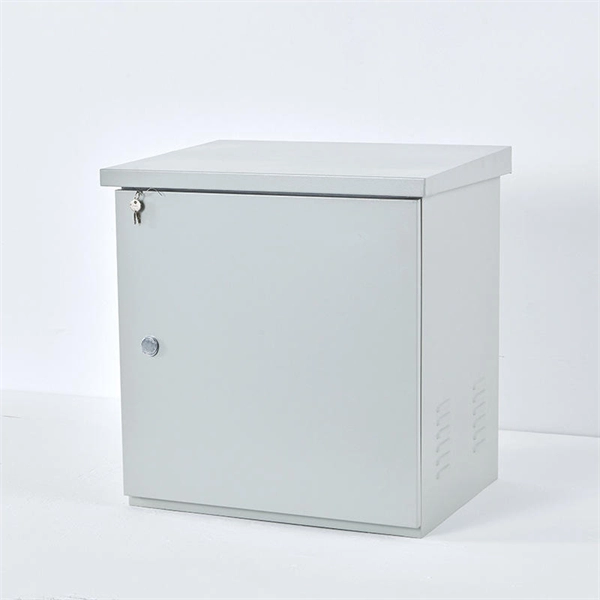
Principles of Optical Fiber Cabling
An optical fiber, or optical fibre, is a flexible or plastic that can transmit from one end to the other. Such fibers are widely used in, where they permit transmission over longer distances and at higher (data transfer rates) than electrical cables. Fibers are used instead...
-
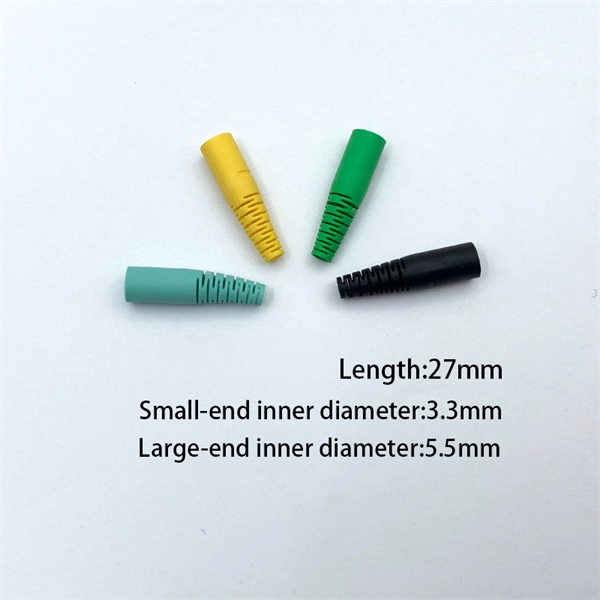
Principles of Optical Fiber Cables
Optical fiber is used as a medium for and because it is flexible and can be bundled as cables. It is especially advantageous for long-distance communications, because propagates through the fiber with much lower compared to electricity in electrical cables. This allows long...
-
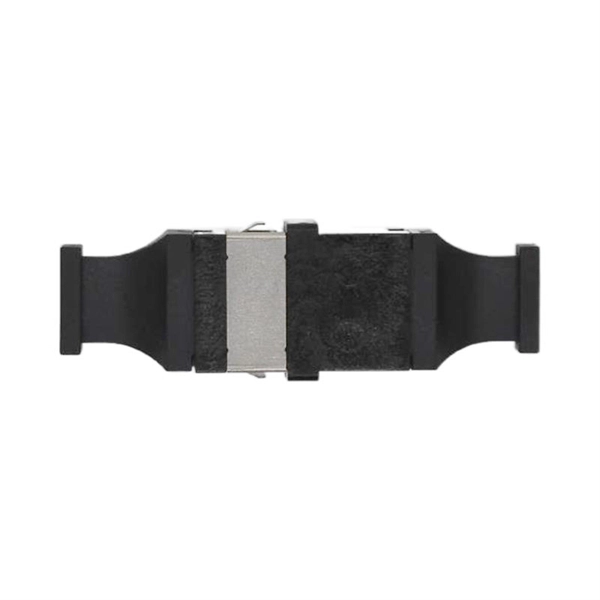
Fiber Optic Distribution Box for Fiber Optics
The fiber distribution box, also known as the optical fiber termination box, is a critical component in fiber optic networks. It acts as a central point for terminating, splicing, and distributing these cables. Fiber distribution box is suitable for the wiring connection of...
[PDF Version]
-
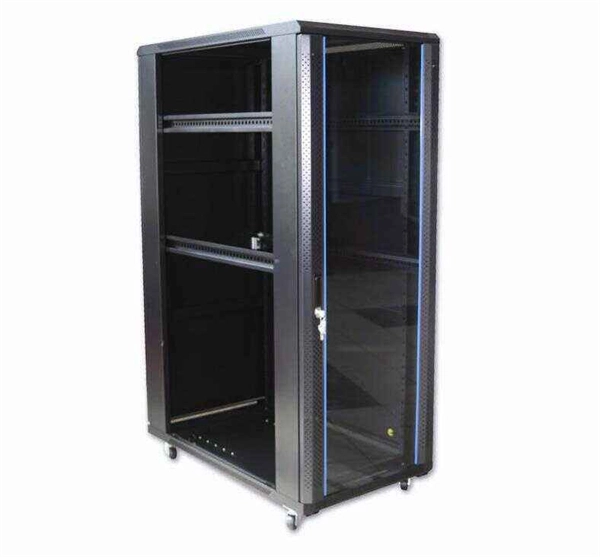
Transmitting single-mode signals via multimode fiber optics
Multimode fiber cables are the type of fiber cables that transmit data via their core of larger diameters enable an average, single-mode transceiver multiple modes of light to propagate through it. These differences determine which transceivers work with which fiber and how...
-

Analysis of the Reasons for Fiber Optics Being Converted into Optical Cables
Modern fiber-optic communication systems generally include optical transmitters that convert electrical signals into optical signals, to carry the signal, optical amplifiers, and optical receivers to convert the signal back into an electrical signal. The information...
Explore the next connection
- Dimensions of busbars in distribution cabinets
- How to equip an empty fiber optic terminal box
- Best cable tray manufacturing process
- Vietnam Solution Special Optical Cable ADSS
- Cable tray construction site procurement
- Optical Modules and Optoelectronic Components
- Requirements for wiring of power starter cabinet