
Atex Certified Junction Boxes Terminals Sockets
Search optical fiber, connectivity, cable management and network infrastructure references.
-
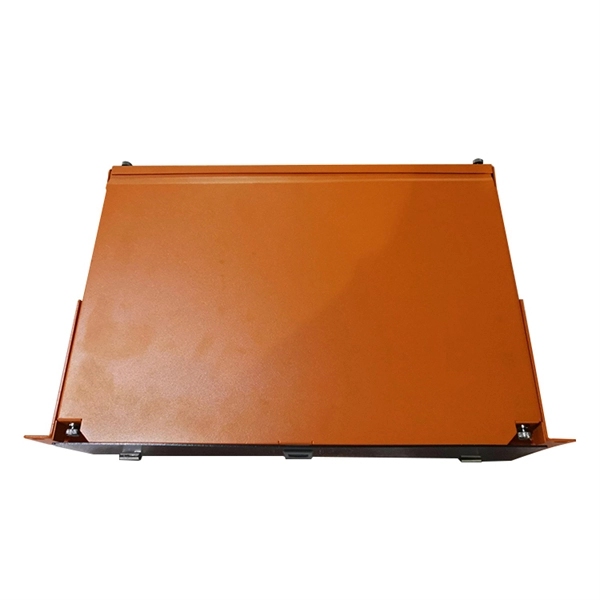
Methods for Grinding Terminals in Distribution Boxes
The methods for applying crimp terminations depend on the application and volume, and range from hand-held devices to fully automated systems. The material so far is relevant to grinding equipment in gen-eral. It is then supplemented with specific information on the wide...
[PDF Version]
-
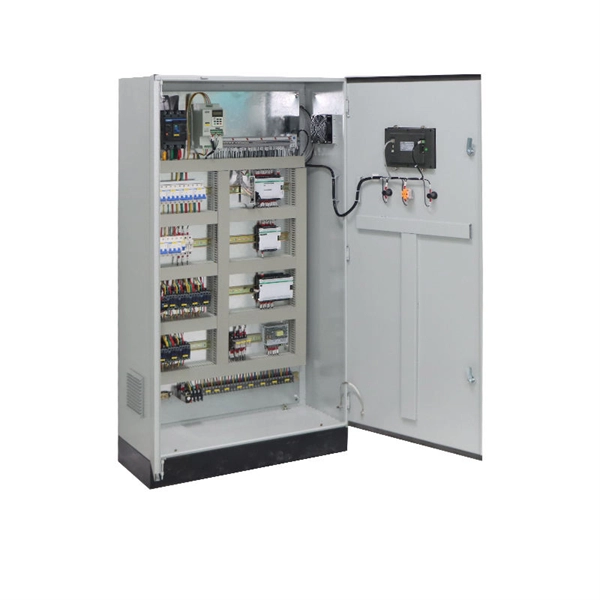
Why do fiber optic junction boxes need power
While fiber is highly efficient at transmitting light over long distances with minimal signal loss compared to copper, active components are sometimes necessary to boost the signal, particularly in extensive networks. The modem needs power to convert the fiber carrier signal...
[PDF Version]
-
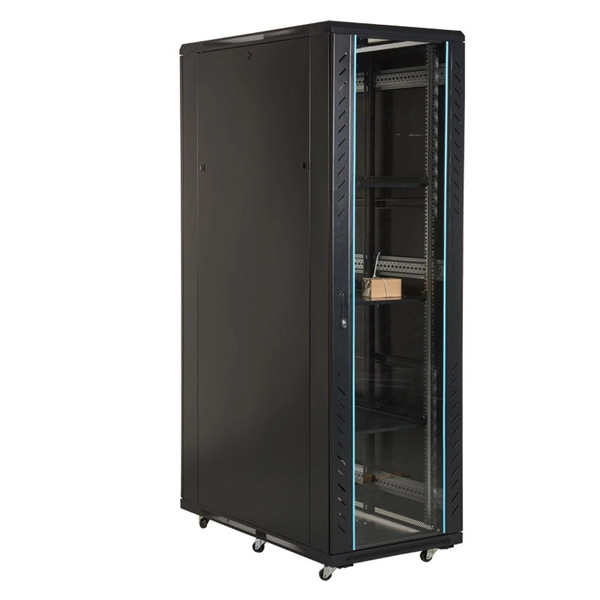
Are fiber optic cable junction boxes corrosion-resistant and durable
Constructed from durable materials such as high-impact polymers, UV-resistant plastics, or corrosion-proof metals, fiber optic junction boxes are engineered for both indoor and outdoor deployment. With the increasing digitization and requirement for high-speed networking, the...
[PDF Version]
-
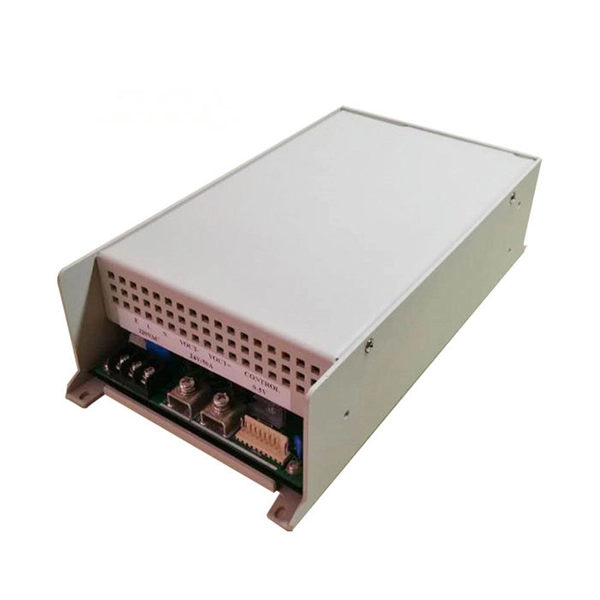
Waterproofing Test Method for Optical Cable Junction Boxes
315 describes the methodology for water detection in splice closures/cabinets, the fundamental requirements for water sensors and technical considerations concerning the optical time domain reflectometry (OTDR)-based water ingress monitoring and location. Recommendation ITU-T...
[PDF Version]
-
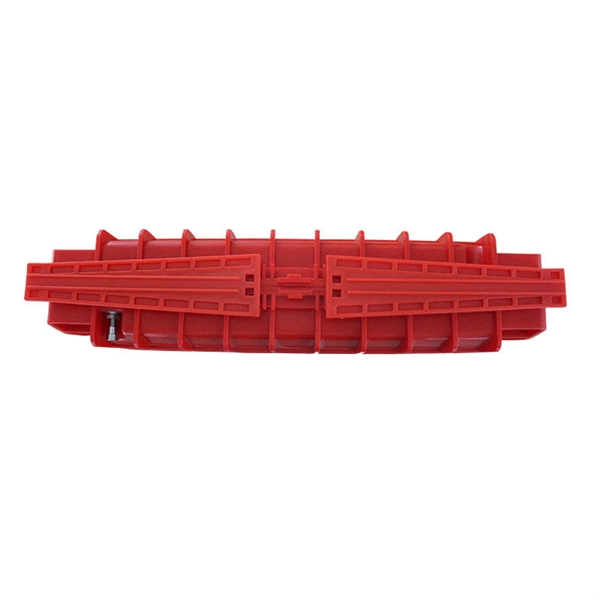
Where are cable junction boxes used
A junction box is an enclosure that safely houses electrical connections — where two or more wires meet, split, or continue. They are also suitable for organizing big loops of wires in a place. The vast majority of junction boxes may be placed underground to make. A junction...