
Armored Vs Unarmored Cable Key Differences
Search optical fiber, connectivity, cable management and network infrastructure references.
-
The outer diameter of the armored optical cable is approximately
It contains a central gel -filled loose tube of a diameter of 2. The outer sheath is made of 0. 150 mm ECCS tape armor plus a 1. ECCS steel tape armor is a combination of strength and flexibility that offers additional crush and rodent protection. *Tests shall. 4 core single...
[PDF Version]
-

12-core single-mode armored optical cable
12 Core Single mode 9/125, Loose Tube jelly filled Cables, Unitube, Single Sheath – Outdoor Armored Cable – ECCS-Corrugated, complying to 9/125 ITU G. Zero Dispersion Wavelength : 1300 - 1324 nm. 20. HES brand fiber optic cables are designed with high performance and...
[PDF Version]
-
Outdoor armored single-mode optical cable with 4 cores
Discover the 4 Core Singlemode Outdoor Armored Fiber Optic Cable, featuring a robust black TPU jacket for exceptional durability and high-performance connectivity. Ideal for harsh outdoor environments, this cable ensures reliable data transmission with resistance to elements...
-
Fiber optic cable single-mode single-core armored
A 24 strand single-mode armored fiber optic cable consists of 24 individual glass fibers, each capable of transmitting data using a single mode of light. Single-mode fibers have a small core diameter—typically around 9 microns—which allows only one path of light to travel...
[PDF Version]
-
Armored cables are laid in cable trays
Due to their exposure to the open air because of the cable trays, the wires contained within need a very durable outer covering. The regulations dictate that the cables must either be Type TC (also known as Tray Rated) or must be metal-armored (Type MC). A rung spacing of 6...
[PDF Version]
-
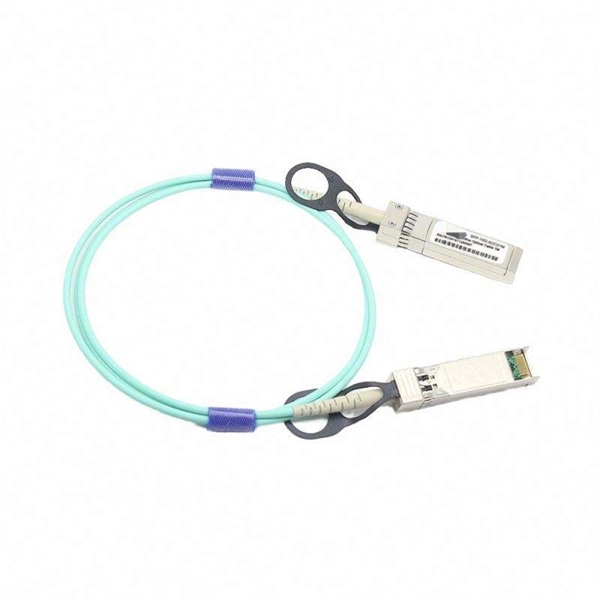
Is the armored cable an optical fiber or a fiber optic cable
Armored fiber optic cable is a type of fiber optic cable that includes an additional protective layer over standard fiber cables. Armored fiber cables offer enhanced resistance to pressure, harsh environments, and gnawing. The armor also protects the cable from damage...
[PDF Version]
-

Which is better drop fiber optic cable or armored fiber optic cable
Armored fiber optic cables provide extra mechanical protection and are ideal for harsh environments, while non-armored cables are lighter, more flexible, and better suited for controlled installations such as ducts or indoor use. Executive Summary: Both armored and unarmored...
[PDF Version]
Explore the next connection
- The function of cable management hubs and cable trays
- What are some brands of central communication optical cables
- EU Fire-Resistant Cable Tray Processing
- Are data optical modules divided into A-end and B-end
- Optical Splitter and Splitting Method
- Prompt Network fiber optic cable not properly connected
- Electric power line optical cable hanging point