
Ansys Engineering Simulation Software
Search optical fiber, connectivity, cable management and network infrastructure references.
-
Requirements for Cable Trays in Electrical Engineering
Provides technical requirements concerning the construction, testing, and performance of metal cable tray systems. The Cable Tray ng standards, performance standards, test standards and application in this document have been tested extens ompetent professional en completely...
[PDF Version]
-
Relay Protection Output Simulation Tester
RelaySimTest is a software solution for system-based protection testing with OMICRON test sets. Thanks to the enhanced testing depth, you'll. Closed loop simulation is the strongest method for proving protective relay settings because it tests timing, logic, and I/O behaviour...
[PDF Version]
-
Fiber Optic Cable Engineering Quantity Statistics
OFS Optics produced 18 million km of fiber in 2023. The fiber optic cable market is surging to $32. 5 billion by 2030, driven by data centers, 5G, and IoT. While APAC leads with a 58% share in. Deployments of 400G ZR and ZR+ coherent optics surged 300% in 2023 while global...
[PDF Version]
-
Types of Communication Engineering Towers
There are four main types of telecommunication towers: lattice towers, monopole towers, guyed towers, and stealth towers. This specialized field combines civil, structural, and electrical engineering to create the tall structures that support antennas for mobile networks. At...
-
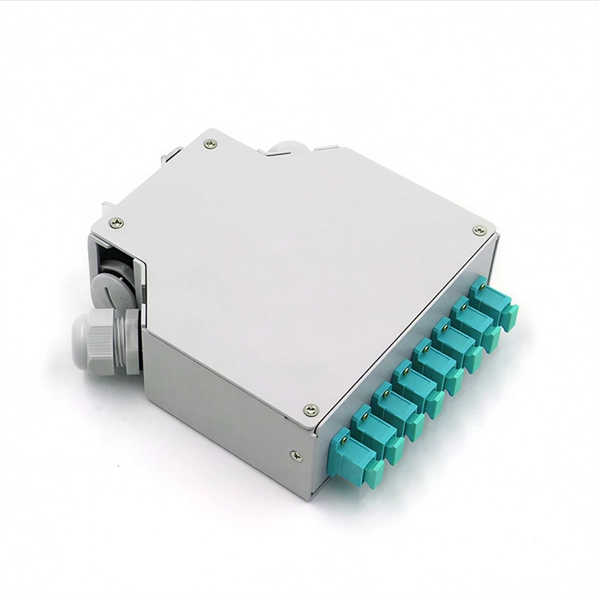
Inspecting the fiber optic cable core in telecommunications engineering
The procedures in this document describe basic inspection techniques and processes of cleaning for fiber optic cables, bulkheads, and adapters used in fiber optic connections. 1) The other portion of a good physical contact between the connectors ferrules is the absence of...
[PDF Version]
-
Fiber Optic Trench Engineering
A practical, engineering-focused guide to planning and installing underground fiber optic cables with the right cable structure, trench design and protection level for long-life, low-risk networks. 2 meters (3-4 feet) deep to reduce the likelihood of accidentally being dug...
[PDF Version]