
Aen052 Cable Trays And Optical Cables
Search optical fiber, connectivity, cable management and network infrastructure references.
-
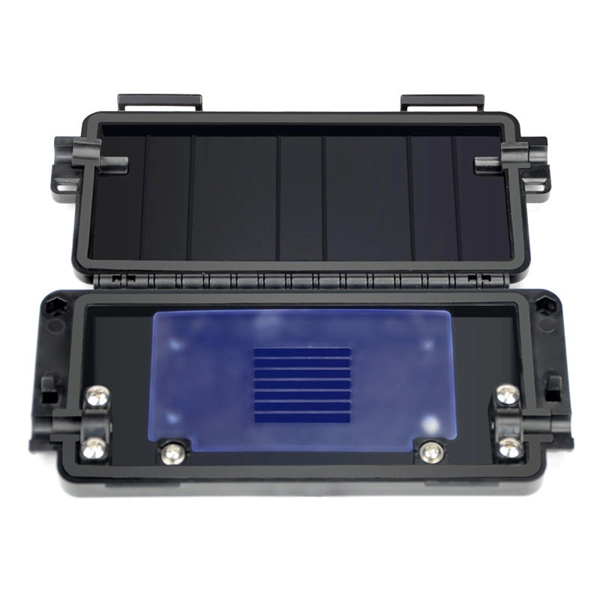
Indoor optical cables used in cable trays
Backbone cables are used to provide an optical pathway between telecommunications rooms, equipment rooms, and/or entrance facilities. Indoor Optical Cable is intended primarily for use within an environmentally controlled structure (e. Indoor cables may also be designed and...
[PDF Version]
-
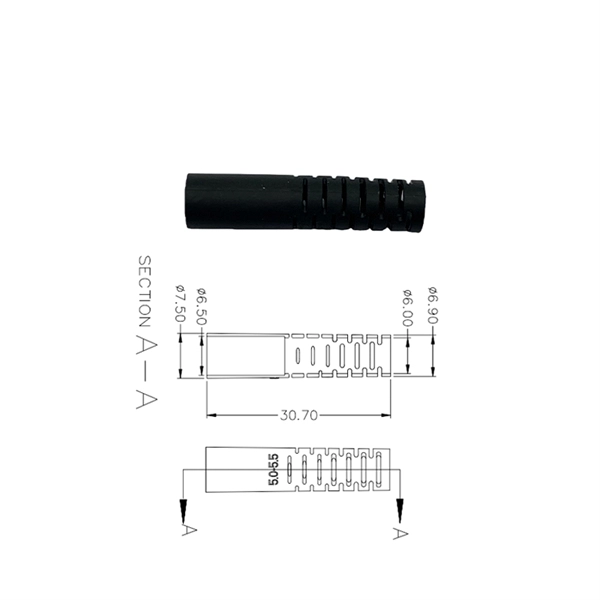
Is it better to use cable trays or supports for main optical cables
Application: Cable tray is better suited for fiber applications because it minimizes cable sag. Fiber cables need adequate support to prevent signal loss. They are key parts of keeping modern communication systems tidy and working well. This report explains what grid cable...
[PDF Version]
-
What cable trays should be used for fire elevator cables
Cablofil cable tray is the preferred choice for the cable containment of low and high voltage electric cables where fire resistance is crucial - this includes cable basket tray systems for Prysmian FP (FP400 and FP600) and Draka Firetuf type cables. Electrical fires can...
[PDF Version]
-
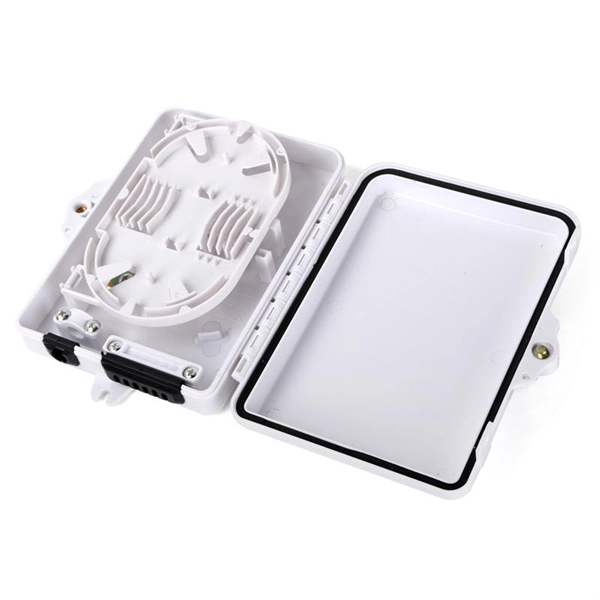
Cable trays are not enough to hold cables
Cable trays need support at regular intervals to hold weight evenly and avoid deformation. 5 to 3 meters, depending on the tray size and expected load. Installation quality directly impacts system lifespan, efficiency, and regulatory compliance. Simple oversights like too...
[PDF Version]
-
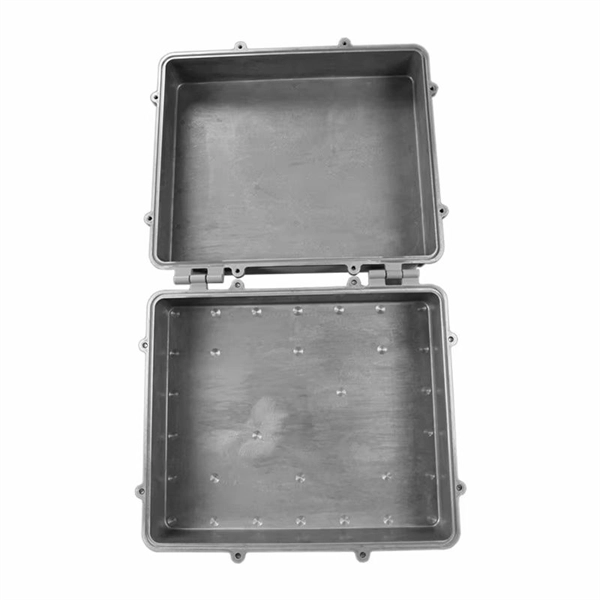
Can temperature-sensing optical fibers be used in cable trays
Through distributed fiber optic temperature sensing technology, fiber optic sensors can be installed along the cable trays to monitor temperature changes in real-time. However. When inserting flexible cables into optical fibers, the protective cap should be placed on the end...
[PDF Version]
-

Can cables in vertical shafts be run through cable trays
Due to their exposure to the open air because of the cable trays, the wires contained within need a very durable outer covering. The regulations dictate that the cables must either be Type TC (also known as Tray Rated) or must be metal-armored (Type MC). Cable tray types...
[PDF Version]
-
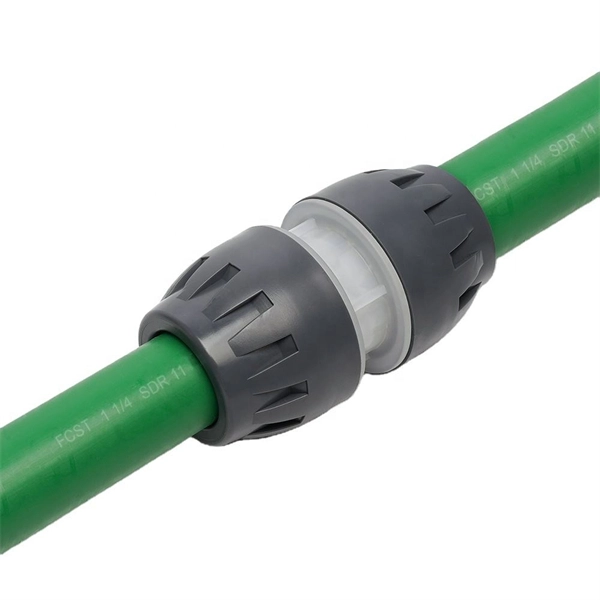
Why are cables placed in cable trays
In the of buildings, a cable tray system is used to support insulated used for power distribution, control, and communication. Cable trays are used as an alternative to open wiring or systems, and are commonly used for cable management in commercial and industrial...
-
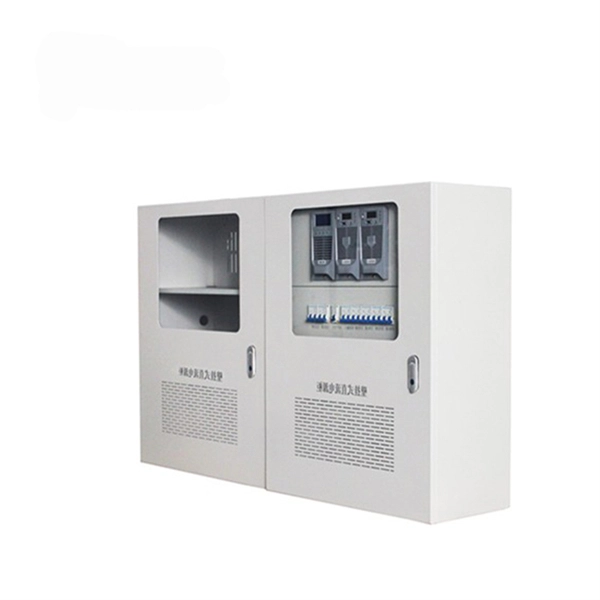
Distance between cables and cable trays in distribution cabinets
Spacing Standards: Electrical (power) and instrumentation (signal/control) cable trays should maintain a minimum vertical and horizontal distance. The distance between trays affects not only the ease of maintenance but also cable protection, heat dissipation, and system...
[PDF Version]