
Adjoint Method And Inverse Design For Diffractive Beam Splitters
Search optical fiber, connectivity, cable management and network infrastructure references.
-
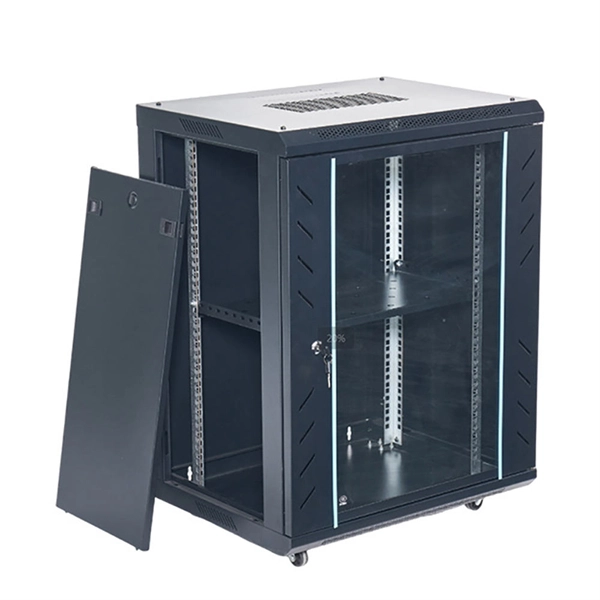
Intelligent design system for power distribution cabinets includes
It is not just a distribution Cabinet, power inputs, outputs, power monitoring system as a whole set of integrated power distribution design, is future-oriented distribution system. In addition to distribution management also provides the ability to run cost management and...
[PDF Version]
-
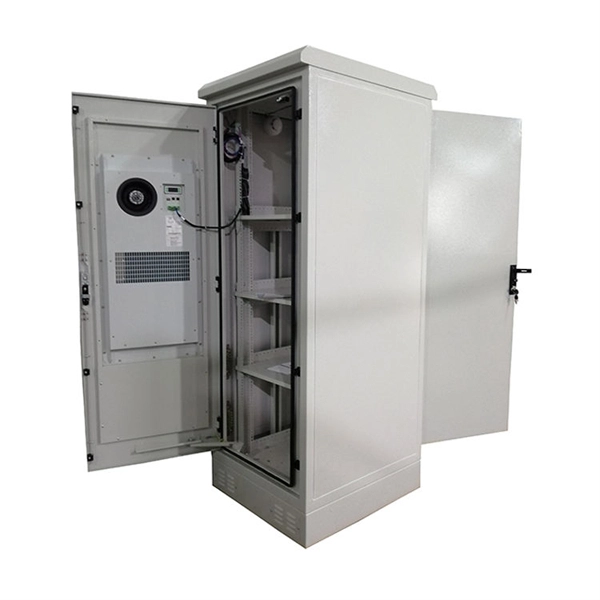
Cable connection method for concealed electrical box
At junction boxes, carefully strip the insulation from your cables, exposing the conductors. Follow color codes meticulously and connect the cables to their designated switches, outlets, fixtures, or devices. Use the correct connectors, couplings, or fittings. Concealed...
-
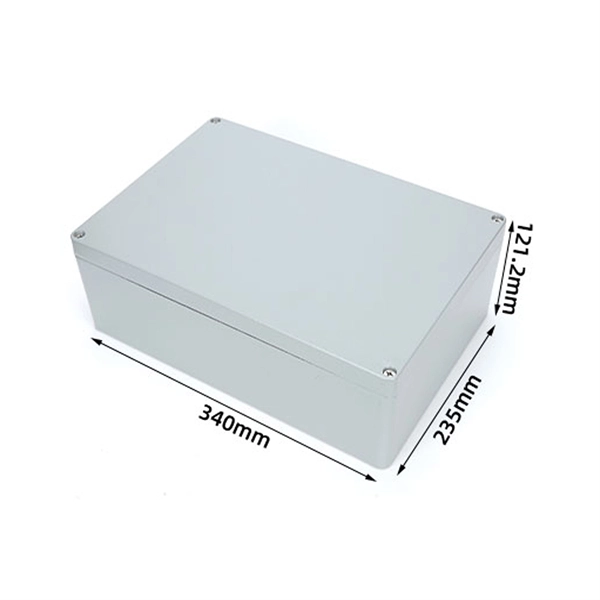
Photovoltaic panel adapter combiner box fixing method
Learn how to safely install and wire a solar combiner box for DC PV systems. Step-by-step guide covers wiring, grounding, surge protection (SPD), and best practices for solar panel arrays. The Solar Combiner Box plays a critical role in organizing multiple DC strings into a...
[PDF Version]
-
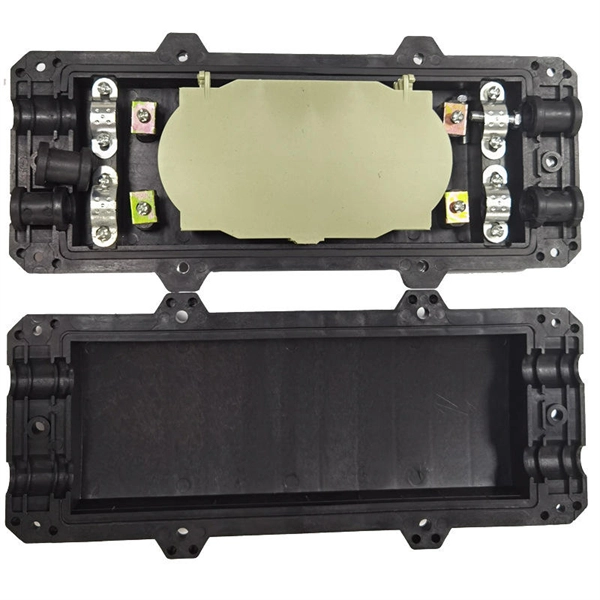
Power Terminal Box Installation Method
In this step-by-step tutorial, we'll cover: ✅ Tools you need ✅ Safety precautions ✅ Mounting the box ✅ Wiring tips ✅ Final checks Perfect for beginners, DIYers, and electricians who want a clear installation guide. more Learn how to properly install an electrical box safely...
[PDF Version]
-
Outdoor 4-core fiber optic cable splicing method
Learn how to splice 4-fiber optic cables using ODF in this complete step-by-step tutorial. Whether you are a beginner or a professional in fiber optic networking, this guide will help you splice fiber cables accurately, manage connections with ODF panels, and ensure minimal...
[PDF Version]
-
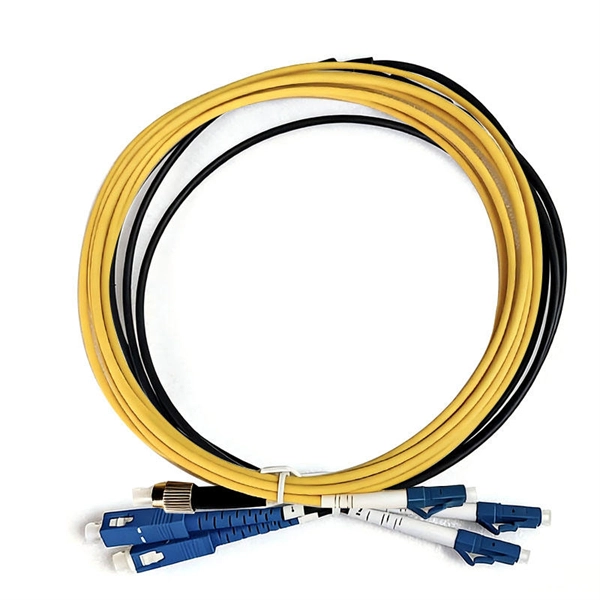
Fiber Optic and Optical Module Wiring Method
Optical fibers require special care during installation to ensure reliable operation. Installation guidelines regarding minimum bend radius, tensile loads, twisting, squeezing, or pinching of cable must be followed.