
A Simple Guide To Sfp 10g Sr And Its Practical Uses
Search optical fiber, connectivity, cable management and network infrastructure references.
-

Aerospace-grade QSFP28 optical module SFP selection guide
This guide provides a systematic selection process to help you choose the right QSFP28 module every time. The correct choice depends on matching fiber type, reach distance, switch compatibility, power budget, breakout requirements, and overall architecture. Below, you will...
[PDF Version]
-
Selection Guide for Island-Grade Coherent Optical Modules SFP
Selection Guide for Island-Grade LPO Optical Modules QSFP28A practical, engineer-friendly guide to choosing the right transceiver form factor by speed, por.
[PDF Version]
-

10G optical module transmission rate
These modules support a data transmission rate of 10 Gbps and typically use LC duplex connectors for fiber connections. Designed for use with single-mode fiber, 10GBASE-LR modules can achieve greater reach than their multimode counterparts, such as 10GBASE-SR. 10GBASE-LR is a...
[PDF Version]
-
Optical module single-mode 10g distance
10G SFP+ LR is a standardized 10G optical transceiver designed for single-mode fiber transmission up to 10km using a 1310nm wavelength. It follows the SFP+ Multi-Source Agreement (MSA) and is widely used to build stable medium-distance 10G links between switches, routers, and...
[PDF Version]
-
SFP interface pigtail
Small Form-factor Pluggable (SFP) is a compact, network interface module format used for both and applications. An SFP interface on is a modular slot for a media-specific, such as for a or a copper cable. The advantage of using SFPs compared to fixed interfaces (e.g. in ) is t.
-
SFP Optical Module Electrical Module
SFP transceivers are available with a variety of transmitter and receiver specifications, allowing users to select the appropriate transceiver for each link to provide the required optical or electrical reach over the available media type (e.g. or copper cables, or cables)...
-
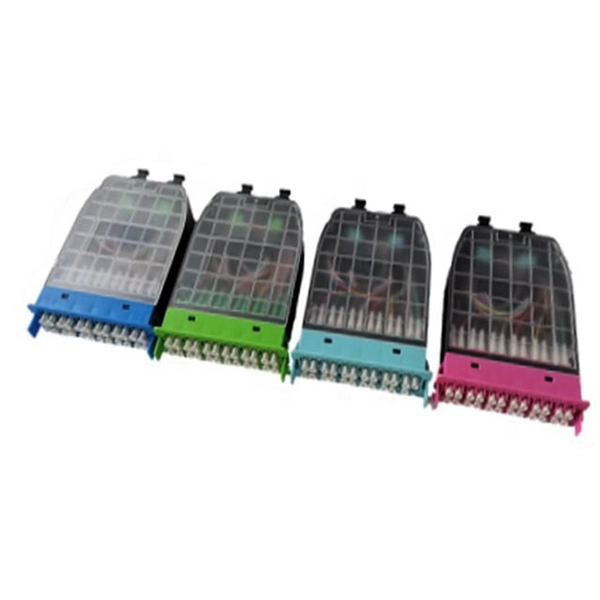
Are all SFP optical modules universal
While SFP modules share a common physical form factor and interface, they are not completely universal. While many SFP and SFP+ modules share the same physical form factor, true compatibility depends on several technical factors—including port speed, wavelength, fiber type...
[PDF Version]