
How can one identify a broken fiber optic cable?
To identify a broken fiber optic cable, start by performing a visual inspection for any physical signs of damage, such as bends, cracks, or breaks...
Search optical fiber, connectivity, cable management and network infrastructure references.
103 describes characteristics, construction and test methods for optical fibre cables for indoor applications. In order for an optical fibre to perform appropriately, characteristics that a cable should have been described. Also, the method of determining whether the cable...
[PDF Version]
Typical total project ranges and per-meter ranges with assumptions: A straightforward indoor fiber install with standard single-mode cable might cost about $0. 50 per meter for cable alone, with total project costs commonly in the $0. Commercial building installations with...
[PDF Version]
Voltage Drops: Unusual voltage drops or fluctuations in the busbar system can indicate excessive current demand or poor connections. Current Imbalance: Uneven current distribution among connected loads can lead to overheating, reduced performance, or equipment damage...
[PDF Version]
A grid networks consist of an interconnected grid of circuits, energized from several primary feeders through distribution transformers at multiple locations. Grid networks are typically featured in.
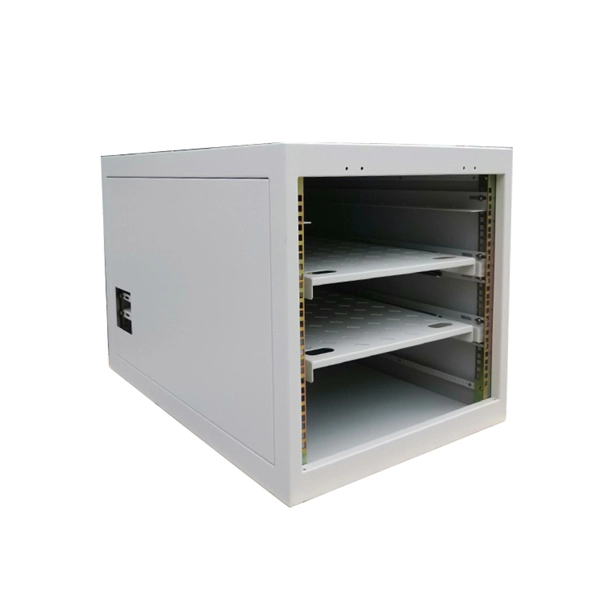
An Optical Distribution Frame (ODF) is a dedicated unit designed to organize, terminate, and interconnect fiber optic cables. It brings together fiber splicing, patching, and cable routing in a single structure, while shielding sensitive connectors and splices from...
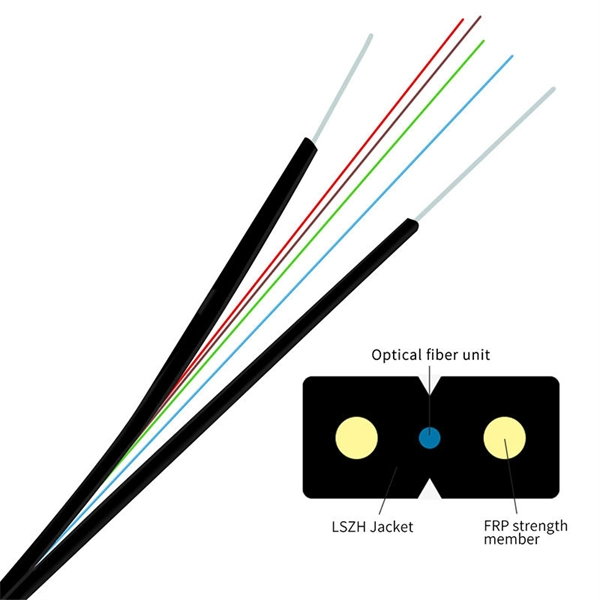
This document presents a troubleshooting guide for fiber optic cables once deployed and in regular use. It also includes a list of common fault location items. Maintenance personnel can refer to this docume.
[PDF Version]To identify a broken fiber optic cable, start by performing a visual inspection for any physical signs of damage, such as bends, cracks, or breaks...
There are several methods to test fiber optic cables without a tester. One method is using a visual fault locator (VFL), as mentioned earlier, to v...
Intermittent fiber optic connections can be caused by a variety of factors, including: Poorly terminated connectors or splices that result in unsta...
For a 100° F differential (winter to summer), a steel cable tray will require an expansion joint every 128 feet and an aluminum cable tray every 65 feet. The temperature at the time of installation will dictate the gap setting. Moisture cannot accumulate and be piped into...
[PDF Version]Share the fiber interfaces, termination capacity, cable route and evidence required for handover.