
What is the width and depth of a server rack?
The standard width for a server rack is 19 inches, the most common size for rack-mounted IT equipment. The depth of server racks can vary, typicall...
Search optical fiber, connectivity, cable management and network infrastructure references.
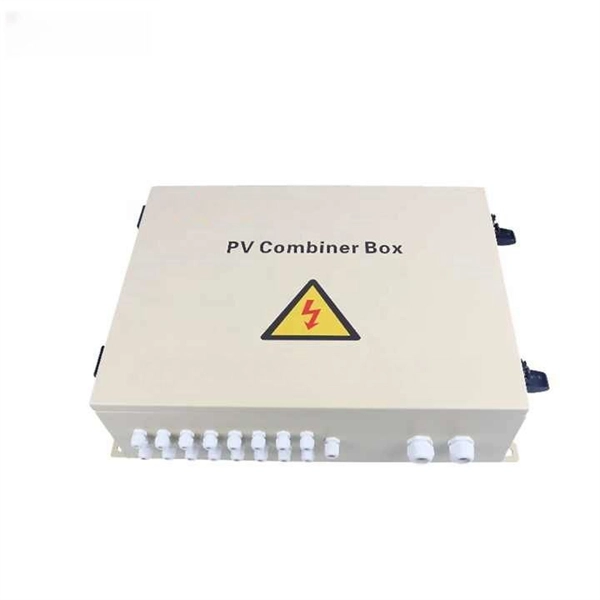
Server Rack Sizes: The Complete Guide to Standard, Below is a comprehensive, fully detailed guide covering all standard server rack sizes, form factors, he.
[PDF Version]The standard width for a server rack is 19 inches, the most common size for rack-mounted IT equipment. The depth of server racks can vary, typicall...
Server rack cabinets come in various sizes, but the standard width is usually 19 inches. The height is measured in rack units (U), typically 24U, 4...
A standard rack unit, abbreviated as "U," is 1.75 inches (44.45 mm) tall. This unit of measurement is used to describe the height of equipment inte...
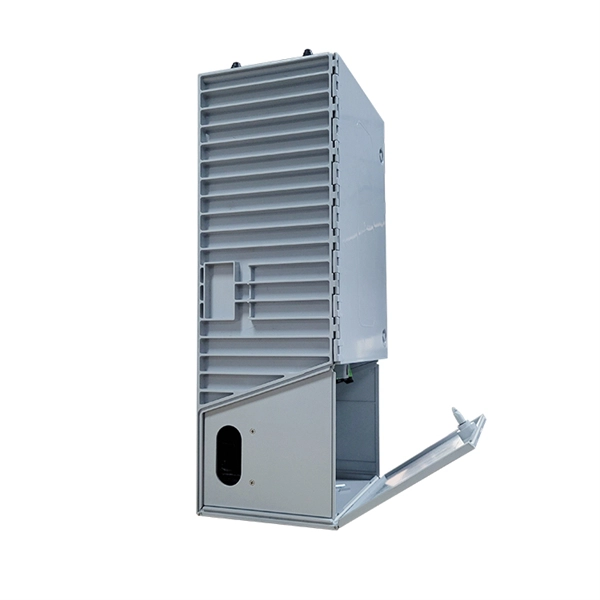
HSN Code is a hierarchical system of product Classification, you can explore the hierarchy below of HSN code 39269099, the most popular HSN codes used for Cable Manager. Search Metal cable management HS Code on Seair. As described in the submission, the NC1 Growing Rack will...
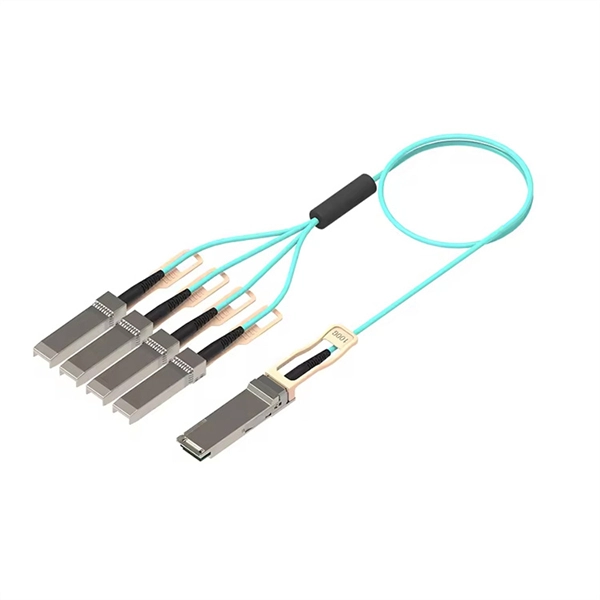
In the US, a fully equipped rack can cost anywhere between $15,000 and $50,000 or more, depending on your requirements. This includes multiple servers, which may cost $1,000 to $5,000 each, along with storage systems and networking equipment like switches and routers...
[PDF Version]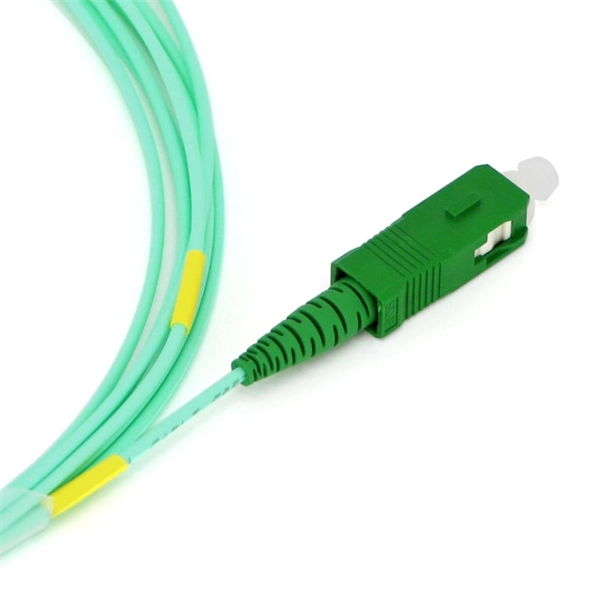
Maintaining 68°F–77°F (20°C–25°C) minimizes overheating risks while balancing cooling expenses. ASHRAE recommends this range for modern servers, though some operators push to 80°F (27°C) for energy savings. Maintaining the proper temperature within a server rack is crucial to...
[PDF Version]
U (rack unit, RU) is a unit of equipment height in a 19" rack. [][] It is most frequently used as a measurement of the overall height of 19-inch and 23-inch rack frames, as well as the height of equipment that mounts in these frames, whereby the height of the frame or. The...
[PDF Version]
The foundation of data center airflow management is the Hot Aisle-Cold Aisle design, where cabinets are placed in alternating rows, with IT air intakes (cold aisles) and IT air exhausts (hot aisles) each facing one another. This configuration allows data center operators to...
[PDF Version]Share the fiber interfaces, termination capacity, cable route and evidence required for handover.