
How can one identify a broken fiber optic cable?
To identify a broken fiber optic cable, start by performing a visual inspection for any physical signs of damage, such as bends, cracks, or breaks...
Search optical fiber, connectivity, cable management and network infrastructure references.
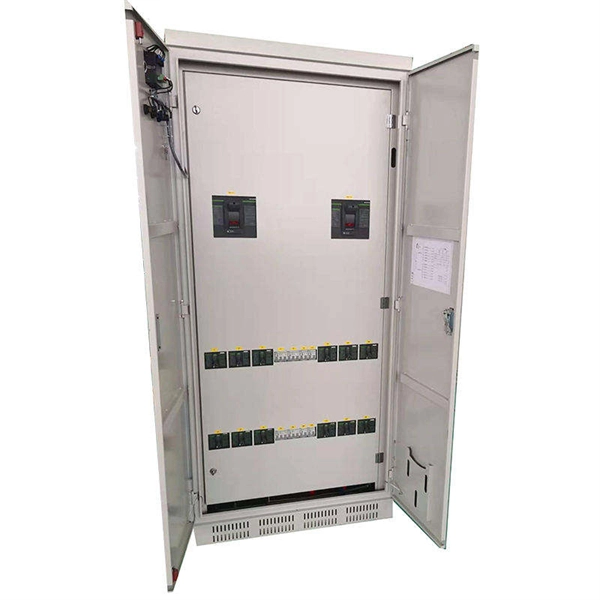
Fiber optic cables are made primarily of ultra-pure glass, specifically silicon dioxide (silica), the same compound found in quartz and ordinary sand. The glass itself is just. Fiber optic cables transmit information across vast distances by guiding light pulses through a...
[PDF Version]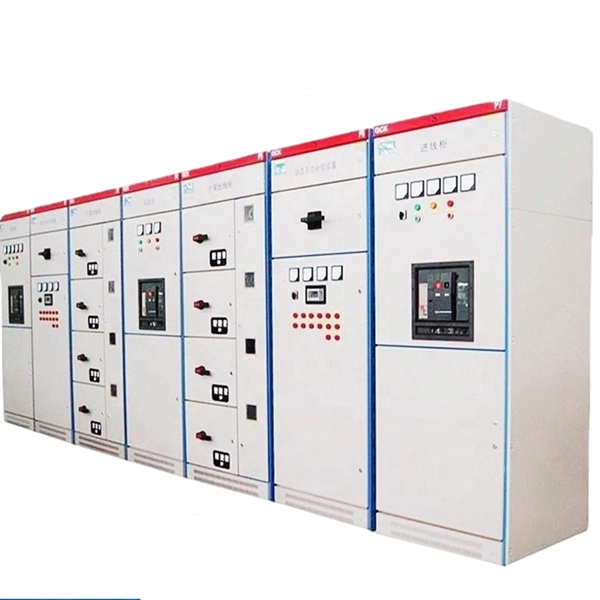
Wire mesh baskets and cable trays are typically made from materials like steel, aluminium, or stainless steel. Each of these materials has its unique benefits, making them ideal for different types of installations. Trays shall be supported at a maximum span of 2. 5m by...
[PDF Version]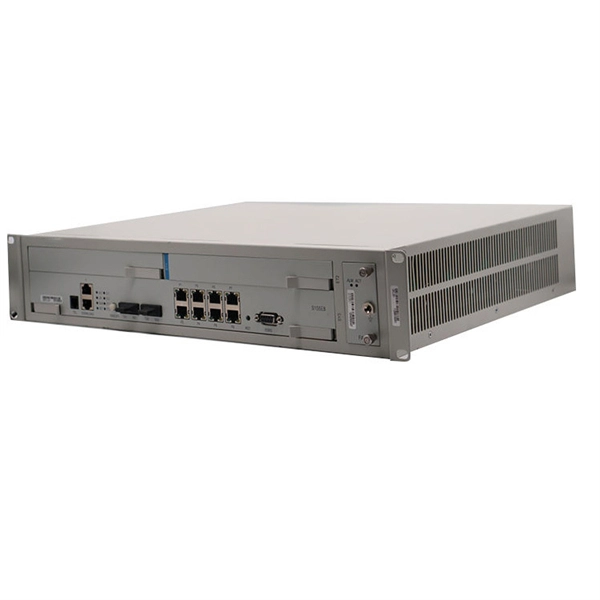
The material of a cable support system is normally steel or stainless steel. Various galvanisation surfaces can be applied to improve corrosion protection. A cable support system consists of cable support lengths and system components, such as cable support fittings, support...
[PDF Version]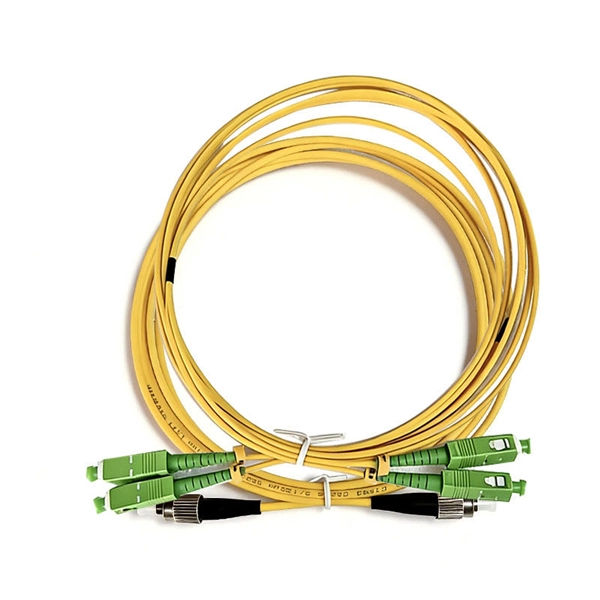
Fiber optic cables are made of several precisely engineered materials working together: an ultra-pure silica glass or plastic core that carries light signals, a glass or polymer cladding layer that reflects light back into the core, one or more protective coating layers of...
[PDF Version]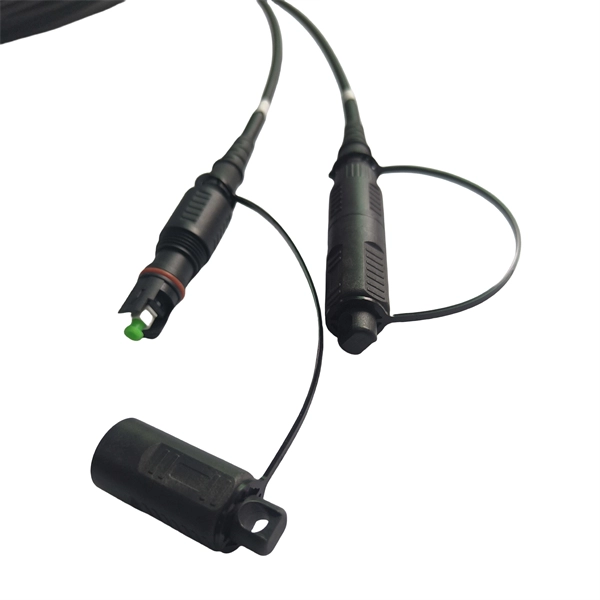
The choice of material affects the durability and performance of the cable tray. Stainless Steel – Ideal for harsh environments with chemical exposure. Understand Your Cable Tray Requirements Before selecting a cable tray, consider the following key factors: Cable Type and...
[PDF Version]
Fiber Network Troubleshooting – Common Issues & FixesLearn how to troubleshoot fiber networks. Identify common issues like high loss, dirty connectors, and.
[PDF Version]To identify a broken fiber optic cable, start by performing a visual inspection for any physical signs of damage, such as bends, cracks, or breaks...
There are several methods to test fiber optic cables without a tester. One method is using a visual fault locator (VFL), as mentioned earlier, to v...
Intermittent fiber optic connections can be caused by a variety of factors, including: Poorly terminated connectors or splices that result in unsta...
Share the fiber interfaces, termination capacity, cable route and evidence required for handover.