
10gtek 100gb S Qsfp28 Dac Cable
Search optical fiber, connectivity, cable management and network infrastructure references.
-
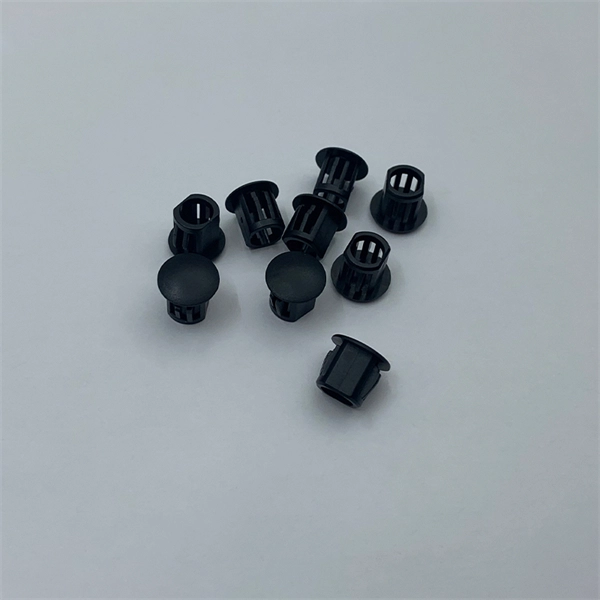
High-speed DAC cable for base stations QSFP28
The 100G QSFP28 to QSFP28 DAC Cable is a reliable, low-cost solution for short-distance, high-speed connections between network equipment. Designed for direct connections between switches, servers, and storage devices, this plug-and-play copper cable eliminates the need for...
[PDF Version]
-
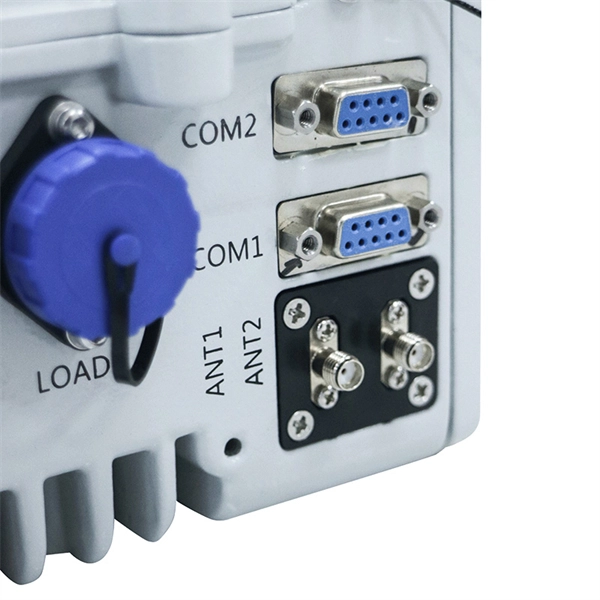
The DAC module cable cannot be removed from the optical port
The transmission modules cannot be removed from the cable and so all DAC cables are a fixed length. Here is a step-by-step guide on how to safely remove an SFP DAC cable: Identify the Cable: Before removing the cable, ensure that you have correctly identified the DAC cable...
-
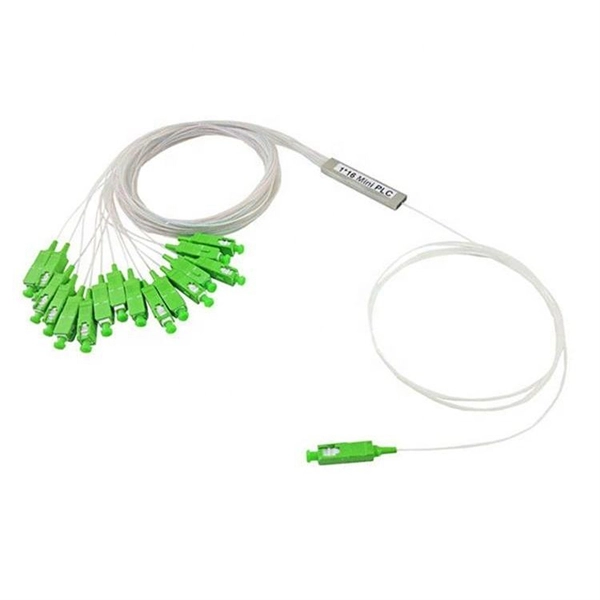
Fiber Optic Cable Fittings Strands
There are connectors designed for single mode and multimode fiber optic cables, which differ in core size, bandwidth, and optimal use cases as explained in this comprehensive guide to fiber optic cable.
-
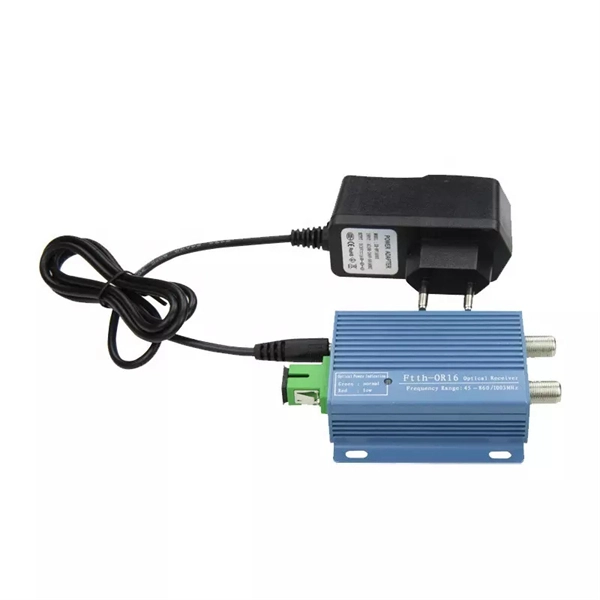
Is the ADSS fiber optic cable dual-mode or single-mode
ADSS (All-Dielectric Self-Supporting) fiber cable is a robust, non-metallic optical cable designed for aerial installations without the need for a separate messenger wire. It consists of single-mode or multi-mode fibers housed in loose tubes made of high-modulus plastic...
-
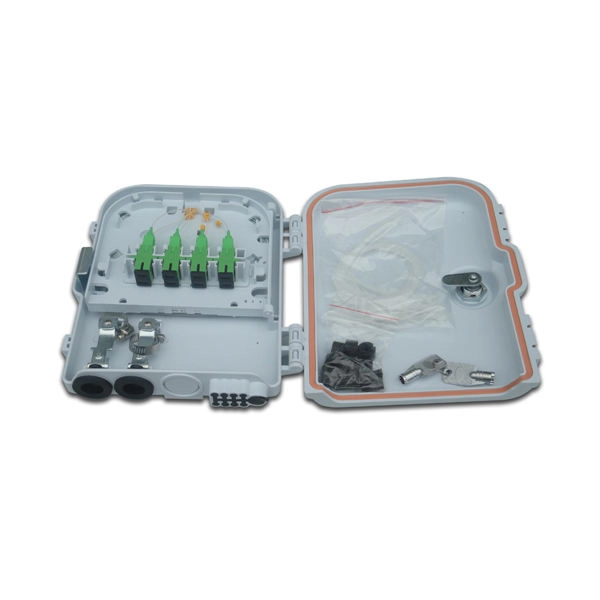
How much does it cost to install a surveillance system with a 4-core fiber optic cable
Wired IP installations commonly cost $125–$450-450 per camera installed, or $500–$1,600-1,600 for a 4-camera system. A 4-camera home system and a 32-camera warehouse system are fundamentally different projects with different budgets, different hardware requirements, and...
[PDF Version]
-
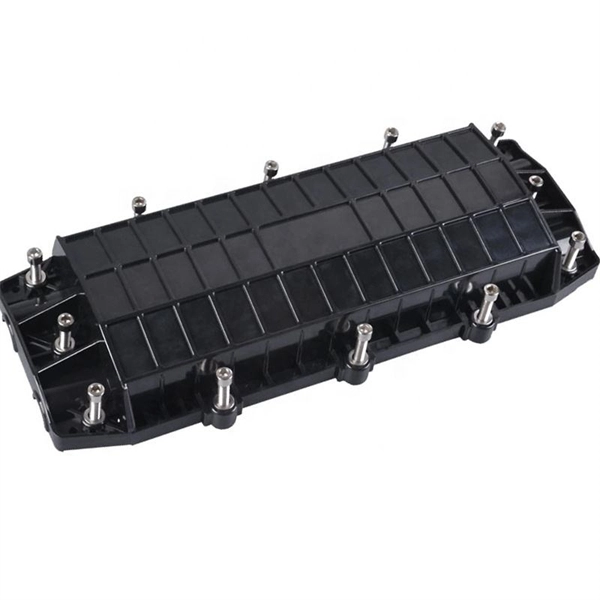
72-core optical cable broken
This guide provides a detailed roadmap for locating and fixing fiber optic cable breaks, covering detection techniques, repair methods, and best practices. With CommMesh's advanced tools and solutions, you'll learn how to restore networks seamlessly. However, physical damage...
-
Requirements for Cable Trays in Electrical Engineering
Provides technical requirements concerning the construction, testing, and performance of metal cable tray systems. The Cable Tray ng standards, performance standards, test standards and application in this document have been tested extens ompetent professional en completely...
[PDF Version]
-
Cable tray tee connection positioning
Cable trays are connected in a straight or angled direction using various connectors. Straight connectors connect cable trays lengthwise. Adjustable connectors create. The following pages address the 2014 National Electrical Code® requirements for cable tray systems as well...
[PDF Version]
Explore the next connection
- What color should the cable tray support be painted
- Redundancy in cable wiring in distribution boxes
- How to identify single-mode fiber optic transceivers
- Explosion-proof socket in distribution box
- ODF frame fiber optic protection tube
- How to connect a fiber optic fusion splice terminal box
- What are the common models of ADSS optical cables
- What is an IDF fiber optic patch panel
- S3100V2 cannot use optical module