
100 Fiber Optics Industry Statistics 2026 Verified
Search optical fiber, connectivity, cable management and network infrastructure references.
-

Leading the global fiber optic communication industry
The largest fiber optic companies in the world power global connectivity, enabling 5G, AI, and cloud networks. The global optical fibers market was valued at USD 10. 24 billion by 2032, growing at a compound annual growth rate (CAGR) of 5. 80% during the forecast period...
[PDF Version]
-

Fiber Optic Cable Engineering Quantity Statistics
OFS Optics produced 18 million km of fiber in 2023. The fiber optic cable market is surging to $32. 5 billion by 2030, driven by data centers, 5G, and IoT. While APAC leads with a 58% share in. Deployments of 400G ZR and ZR+ coherent optics surged 300% in 2023 while global...
[PDF Version]
-
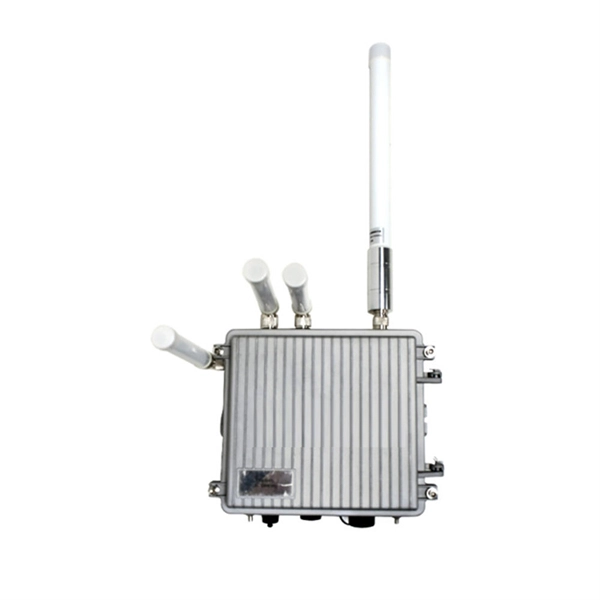
New Transformation Solutions for the Fiber Optic Communication Industry
Artificial Intelligence (AI) is revolutionizing how fiber optic networks are monitored and optimized. AI-powered tools can predict potential failures, optimize network performance, and reduce downtime by analyzing vast amounts of data in real-time. Did you know that data in...
[PDF Version]
-
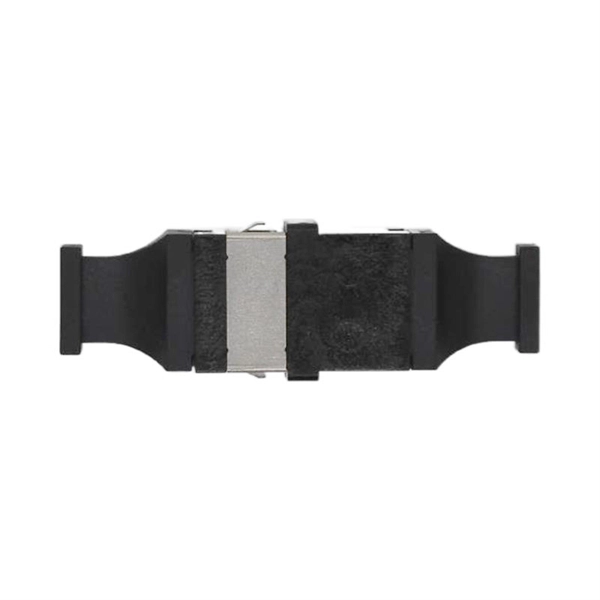
Fiber Optic Distribution Box for Fiber Optics
The fiber distribution box, also known as the optical fiber termination box, is a critical component in fiber optic networks. It acts as a central point for terminating, splicing, and distributing these cables. Fiber distribution box is suitable for the wiring connection of...
[PDF Version]
-
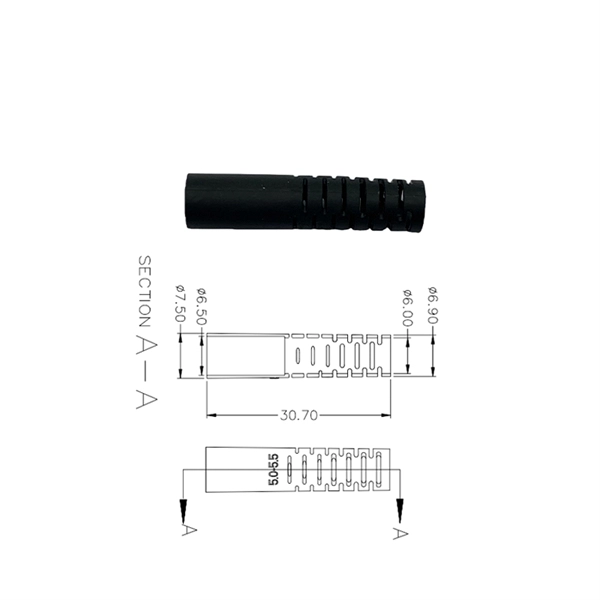
Should I use a gigabit or 100 Mbps router for a 200 Mbps fiber optic connection
To truly benefit from speeds above 100Mbps, you'll want a 'gigabit' router, meaning its ports can handle speeds of 1000Mbps (1Gbps). These are readily available and often not significantly more expensive than their 100Mbps counterparts. Gigabit internet and faster is best for...
[PDF Version]
-
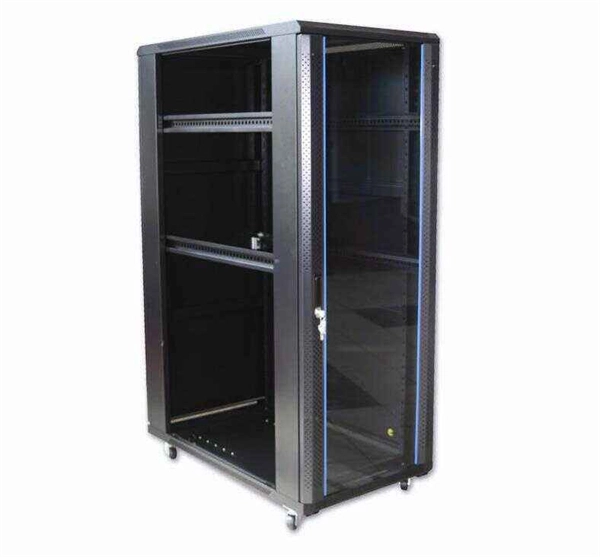
Transmitting single-mode signals via multimode fiber optics
Multimode fiber cables are the type of fiber cables that transmit data via their core of larger diameters enable an average, single-mode transceiver multiple modes of light to propagate through it. These differences determine which transceivers work with which fiber and how...
-
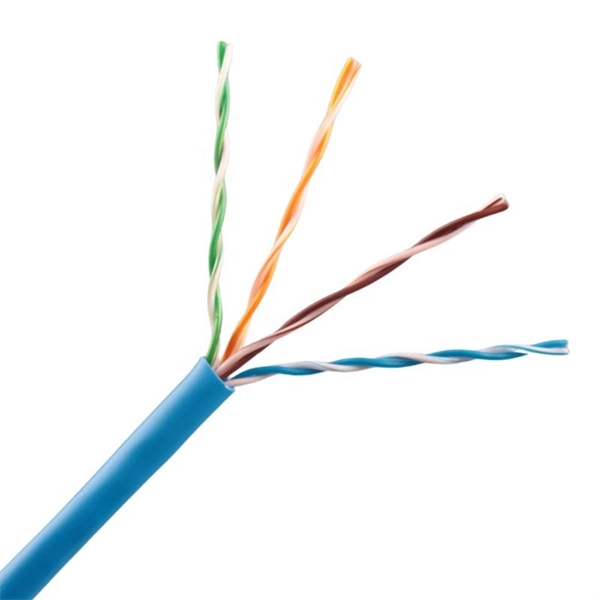
Introduction to Fiber Optic Communication Industry Products
is used by telecommunications companies to transmit telephone signals, Internet communication and cable television signals. It is also used in other industries, including medical, defense, government, industrial and commercial. In addition to serving the purposes of...
-

Analysis of the Reasons for Fiber Optics Being Converted into Optical Cables
Modern fiber-optic communication systems generally include optical transmitters that convert electrical signals into optical signals, to carry the signal, optical amplifiers, and optical receivers to convert the signal back into an electrical signal. The information...