
Fiber connection and distribution references
Grounding Practices in Power Distribution Systems
The installation of grounding methods for transmission lines is absolutely necessary in order to guarantee the safety, dependability, and effectiveness of power
GROUNDING OF UTILITY AND INDUSTRIAL DISTRIBUTION
In this workshop, we will demystify the concepts of grounding as applicable to utility networks and industrial plant distribution systems as well as their associated control equipment.
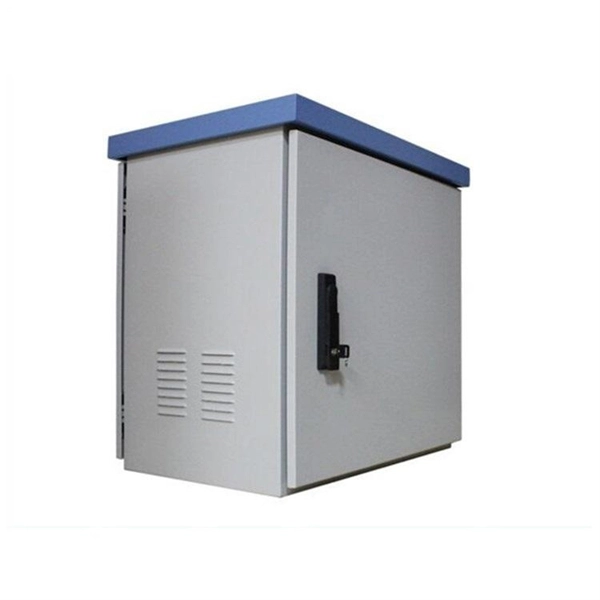
DISTRIBUTION BOX
Each DISTRIBUTION BOX and controller must be grounded. On the US market, a 5.26 mm 2 (10 AWG) ground wire must be used, and in all other markets a 6 mm 2 must be used.
System Grounding
All the power sources mentioned above, except Static Power Converter, are magnetically operated devices with windings. To understand the system voltage relationships with respect to system
Distribution System Grounding
Grounding is a mechanism to protect distribution equipment and people under normal operating conditions, abnormal operational (overcurrent and overvoltage) responses, and hazardous conditions
How To Ground The Distribution Box
The metal box itself should be processed with a "box grounding bolt" (with PE mark), which must be connected to the grounded PE bus with a copper core wire or a special braided soft wire;
Distribution System Grounding | part of Electric Power and Energy
Improper grounding in secondary systems can cause safety issues including fire and failure of equipment in homes. Most common problems are open secondary neutral, load incorrectly
A Practical Guide to Safe and Effective Grounding in
A star point grounding system connects all subsystems—instrumentation, control systems, communication networks, and AC power—to a single grounding point.
How do you ground a plastic electrical box
Here are the steps on how to ground a power distribution box: 1. Preparation: First, you need to prepare some necessary tools, including
Protective grounding requirements for transmission and distribution
This technical article covers protective grounding requirements for steel tower and wood pole supported transmission
Grounding in Power Transmission and Distribution Networks
Power transmission and distribution systems are earthed for electric shock and fault protection. This chapter presents the principles and practices of grounding for power systems. An
Grounding Methods and Best Practices for High Voltage Transmission
With the rise of new utility projects due to the “electrification of everything” initiative, there is an increasing dependence on utilities for the safe and reliable distribution of power. Routine
Electrical grounding best practices
The author of this article has 20 years experience in power installations, testing, control and maintenance. Let''s see which advices he does give us to keep it safe
Grounding of commercial and industrial power systems
Grounding is covered in greater detail in HSB''s Recommended Practices for Grounding of Commercial and Industrial Power Systems. Basics of grounding
Distribution System Grounding | part of Electric Power and Energy
Summary
Good system grounding provides the path for normal load and fault currents while maintaining load and controls temporary overvoltages. Good equipment grounding ensures
Distribution System Grounding
Summary Good system grounding provides the path for normal load and fault currents while maintaining load and controls temporary overvoltages. Good equipment grounding ensures
Introduction to Grounding in AC Power Systems
In alternating current (AC) power systems, grounding, also known as earthing, is a crucial concept that safeguards the safety of electrical systems and guarantees their optimal performance. Creating a
Electrical Grounding Explained: Basics & Standards
Prevent shocks, fires & downtime—learn how proper electrical grounding protects industrial equipment and ensures safe, uninterrupted operation.