
Fiber connection and distribution references
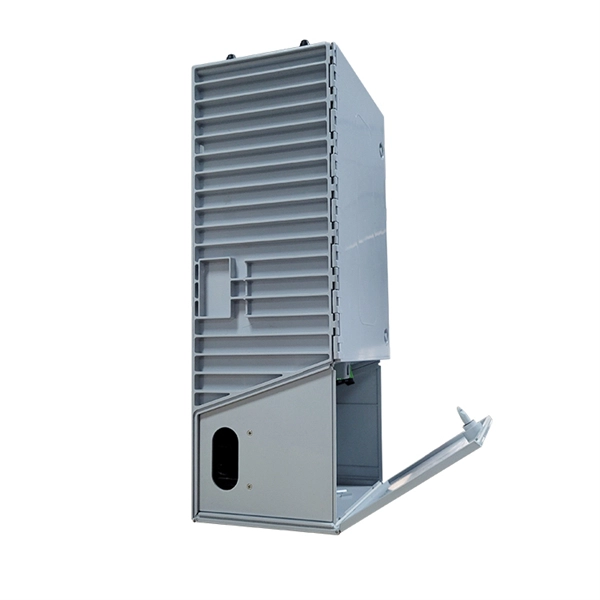
"Guidelines for Household Distribution Box Specifications and
This knowledge is crucial, as improper handling can lead to safety hazards. In this article, we will explore the specifications for household distribution boxes and provide guidance on how to install them
"Guidelines for Household Distribution Box Specifications and
Understanding Household Distribution Boxes: Specifications and Installation Guidelines Household distribution boxes are essential components in modern electrical systems, providing a centralized
The installation requirements for the distribution box
Learn how to install a distribution box safely and correctly. Covers wiring, placement, standards, and expert tips for a compliant setup.
Standard Electrical Enclosure Sizes: Chart, Dimensions & Selection
Electrical enclosure sizes are not universal, but most manufacturers follow common size families. This guide explains typical wall-mount and floor-standing dimensions, how to read catalog
Distribution Box and Selection Guide: Internal Structure, Components
Learn how to choose a distribution box and understand its internal structure, including MCBs, busbars, neutral bars, earth bars, RCDs, RCBOs, SPDs, enclosure ratings, and wiring layout.
Electrical Distribution Box Design Guide | PDF | Amplifier
The document provides details for designing the electrical distribution box and circuits for a residence. It includes specifications for the main circuit breaker such as size, type, and tripping capacity.
Specifications and parameters of household distribution boxes
This document provides specifications for various distribution boxes including dimensions, mounting sizes, and number of ways. Dimensions included are length, width.
Electrical Box Dimensions: Find the Right Size for Any
Learn standard electrical box dimensions for outlets, switches, and junction boxes. Compare sizes, depths, volume, and clearance for safe
Electrical DB Box Size Guide 2026
Find the right electrical DB box size for your home or project. Learn standard dimensions, NEC 2026 compliance, and key specs. Click to get expert
Size determination, installation method and wiring mode of distribution
The distribution box is the central hub of the home circuit and the general control of our daily power consumption. It is an indispensable electrical equipment. If there are some potential safety hazards,
Electrical Wiring Components, Types & Safety Explained
Learn the basics of home electrical wiring including wire types, gauges, safety practices, and key components used in residential electrical
General Wiring Guidelines
General Wiring Guidelines Here''s sound planning advice on everything from circuit wiring, grounding, and boxes to circuit requirements room by room.
"Guidelines for Household Distribution Box Specifications and
For power distribution boxes, the same calculations apply, but special consideration must be given to the bending radius of incoming wires when the wire size exceeds 10 square millimeters. Adequate space
Distribution Box Guide: Types, Components & Solutions
Understand distribution boxes (DB boxes) in 5 minutes. Learn about types, components, functions, and uses. Find the perfect DB box for your needs.
Wiring of the Distribution Board with RCD (Single Phase
The above mentioned electrical wiring accessories and protective devices are used to control and distribute electric supply (safely to connected electrical appliances)
Understanding Your Home Electrical System
Electrical Service Panel Home Wiring System Electrical Outlets and Receptacles Extension Cords Introduction Electricity plays an essential role in how your home operates. Whether watching TV,
What Is a Distribution Box?
What to Look for When Choosing a Distribution Box If you''re going to buy a distribution box, there are several things you should look for. You should choose a distribution box that''s made of
DIY Wiring a Consumer Unit and Installation
/ Consumer Unit Background Wiring a Distribution Board is vital in any electrical installation.All the electrical sub circuits are originated from a Distribution Board.The Main feeder cable to the