
Fiber connection and distribution references
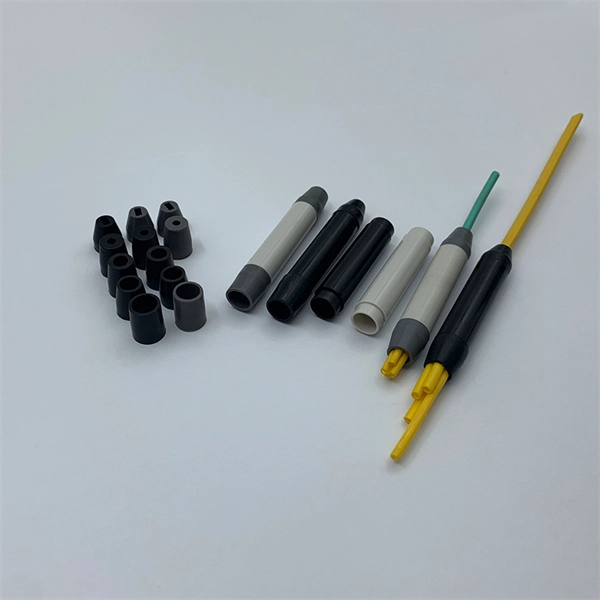
iking angled ferrules durable angle type pipe and tube
These ferrules are providing excellent thermal insulation, minimizing weld spatter, and reducing contamination of the weld area. The design ensures that the arc is
Fiber connector ferrule end face polishing UPC PC APC
The fiber end face is usually ground into an 8° bevel. The fiber end face is in closer contact and can reflect the light to the cladding through its bevel
iking outside angle ferrule high strength external angle locking ferrule
These ferrules are providing excellent thermal insulation, minimizing weld spatter, and reducing contamination of the weld area. The design ensures that the arc is properly concentrated at the angle
Angled Physical Contact (APC) Interconnect: Potential design issues
For instance, cone ferrules require a fixture angle of 8.3 degrees to obtain an effective angle of 8.0 degrees. Additionally, it is critical to adhere to tolerances maintained within +/-0.25
How to Use Ceramic Ferrules for Perfect Drawn Arc Stud Welds?
Ceramic ferrules are vital because they stabilize the electrical arc and prevent the molten metal from leaking away from the stud base during the lifting phase.
Role of Ceramic Ferrules in Drawn Arc Stud Welding | ZOC
Learn the role of ceramic ferrules in drawn arc stud welding, the risks of welding without them, alternative methods, and best practices for achieving strong, reliable welds.
The Basics Of Ceramic Ferrules For Stud Welding
If the ceramic ferrule is off center then the stud may bind, or hang-up on the ferrule and not properly complete the lifting and plunging actions resulting in a bad weld.
Stud welding with ceramic ferrule
With the ceramic ring process, the most common quality issues are not “insufficient current”, but rather the use of the wrong type of ring and inadequately cleaned surfaces.
Stud Welding With Ceramic Ferrules
The primary purpose of the ceramic is to shield the stud from the air during the welding process, preventing porosity and contaminants from affecting the weld. It can also act as an arc
Stud Welding Products: Pairing With Ferrules
In most cases, drawn arc stud welding will utilize a ceramic ferrule placed at the point of the weld. Ferrules help control the weld by containing molten metal and providing some temperature
Drawn Arc Welding Using Different Tyles of Ferrules
Drawn arc ewlding uses larger studs and is used mainly in heavy industiral welding. Call the experts at Northland Fasening Systems today.
The Basics Of Ceramic Ferrules For Stud Welding
Ceramic ferrules, often called arc shields, are often used in the drawn-arc stud welding process. They are, typically, a round shape that fit around the base of the weld stud.
Fiber Optic Pigtail: Types, Splicing Guide, Specs & Price
Fiber optic pigtail guide : SC/APC & LC/UPC connectors, 0.9/2.0/3.0 mm buffers, single-mode and multimode types, fusion splicing steps, price ranges, specifications, and how to
Ceramic Ferrules Ensuring Precision and Durability in Welding
Ceramic ferrules that have been formed into shapes are fused together using an industrial process called sintering to achieve high strength, density, dimensional consistency, and
Ferrules 101
In this video, we dive into everything you need to know about how to crimp ferrules, focusing on how to ensure secure wire connections. I''ll explain the different types of ferrules, how to size
Ferrules in Concrete Construction – Types, Applications & Benefits
Explore ferrules in concrete construction: types, benefits, and uses. Discover Danterr''s quality solutions for stronger concrete projects.
Stud Welding With Ceramic Ferrules
If you need ceramic ferrules for your drawn arc process, the easiest thing to do is to order your drawn arc studs from Taylor Stud Welding. All our DA
Ceramic Ferrules Explained!
Ceramic Ferrules or Arc Shields: All TRU-WELD studs are supplied with ceramic ferrules designed for use with the particular fastener ordered. Ferrules are specially designed of ball clay and